Join one of Eastern Massachusetts’s leading organic landscape design, construction & maintenance firms. We have been providing personalized, ecological and high-quality landscaping services to all of our clients for 23 years.
Our goal is to design, install and maintain ecological and healthy landscapes that encourage people out doors to enjoy nature and what they like to do with family and friends. We are looking for an energetic, reliable, and goal oriented Key Member to lead, mentor and learn with our Landscape Installation Team.
 We provide training and professional development opportunities leading to industry certification and advancement. If you are looking for personal and professional growth in a stable and team-oriented company then choose Moodscapes. To learn more about our company visit www.moodscapesdesign.com
Company Benefits
- Competitive wages
- Paid time off
- Health insurance
- Hands-On Training with experienced Managers
- A supportive, respectful and goal-oriented culture
- Tuition Reimbursement
- Training from Industry Associations leading to Industry Certifications
 The ideal candidate will possess:
- A minimum of 2 years’ experience in landscaping and gardening.
- An understanding of the order of the operations on an installation job site.
- A strong interest in ecological and organic practices
- The ability to work as part of a team, lead a team as required and take redirection
- Excellent verbal and written communication skills.
- An ability to meet and discuss jobs with high-end clientele
- Ability to track and report job expenses, hours, materials and all other job-related costs
- Ability to take direction from Landscape Project Manager and Creative Director
- Experience operating and maintaining equipment
- Ability to meet company standards for quality of work
- A Focus on Safety and Cleanliness
- A clean driving record and be able to drive company vehicles and trailer
- Masonry experience and Industry Certifications are a Plus
MA DOT Card Required (or able to obtain within 30 days of hire)
This is a full-time seasonal position. Season runs from late March through the end of December. There will be opportunities for snow removal.




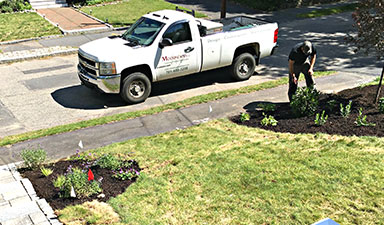
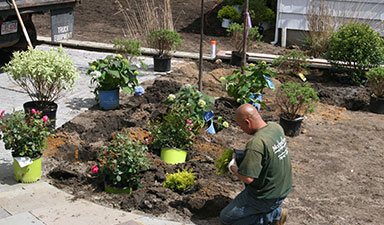
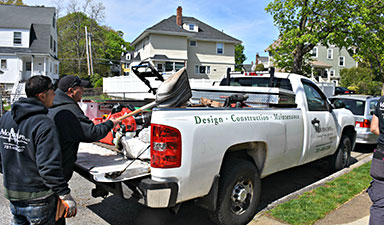
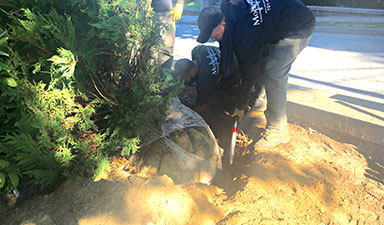




 .
. 

 Company Benefits:
 We have been providing personalized, ecological, and high-quality landscaping services to all our clients for 23 years.