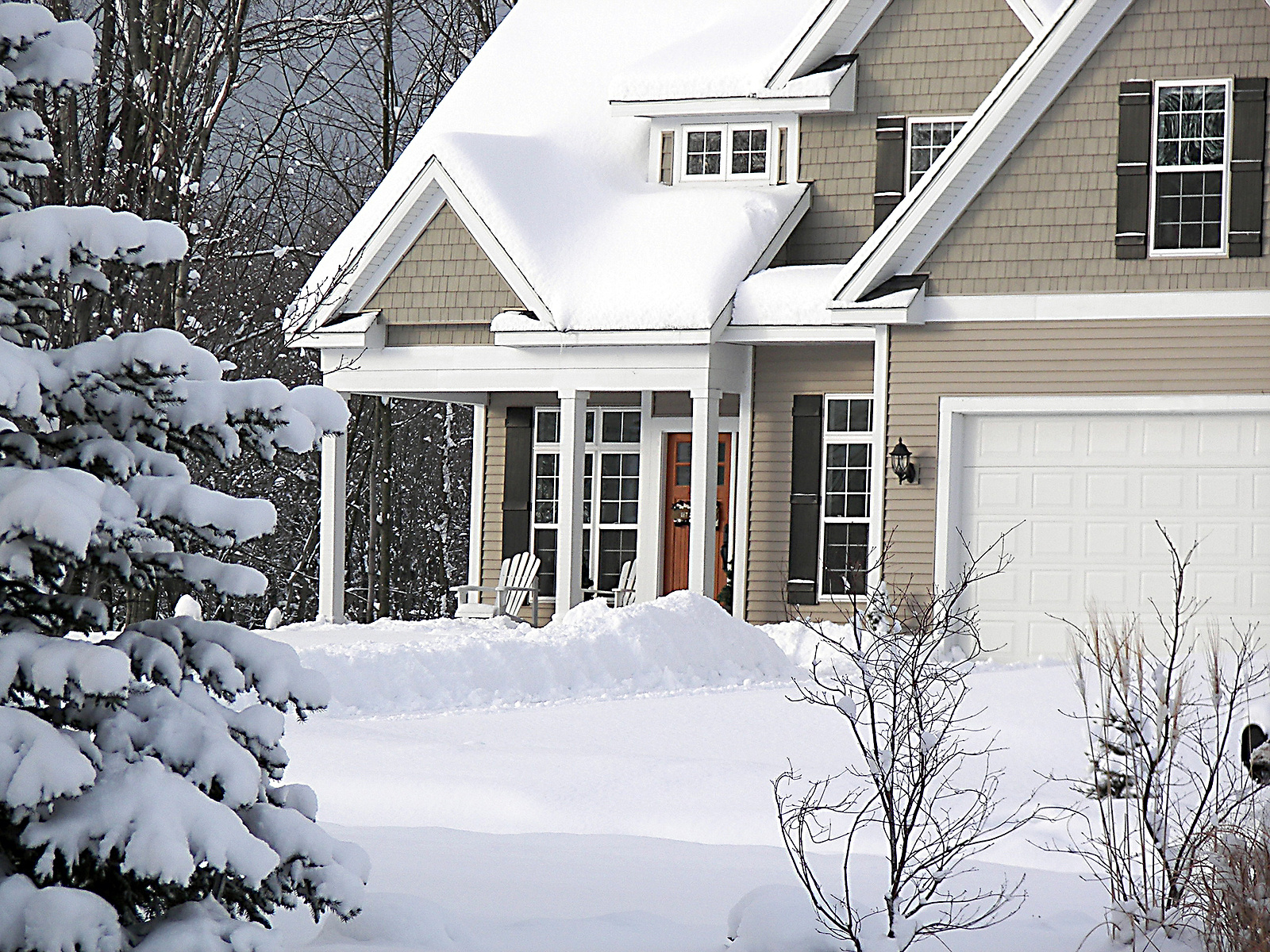
When late fall settles in and the growing season slows, your landscape enters a stage where small choices have big payoffs. Preparing your landscape for winter is not about rushing to finish chores before the first frost.
It is about giving your garden beds, lawn and plant roots the extra protection they need to move through winter months with strength. These final touches shape how your outdoor space performs in early spring and how confidently it grows next year.
Here are the key areas many homeowners miss when winterizing their yard and how to approach them with care.
1. Finish Lawn Care and Leaf Cleanup in Late Fall
Your lawn benefits from one last round of attention before the ground freezes. A final mow keeps the grass from matting under snow or fallen leaves, and a clean up of leaf litter helps prevent mold or dead patches by spring.
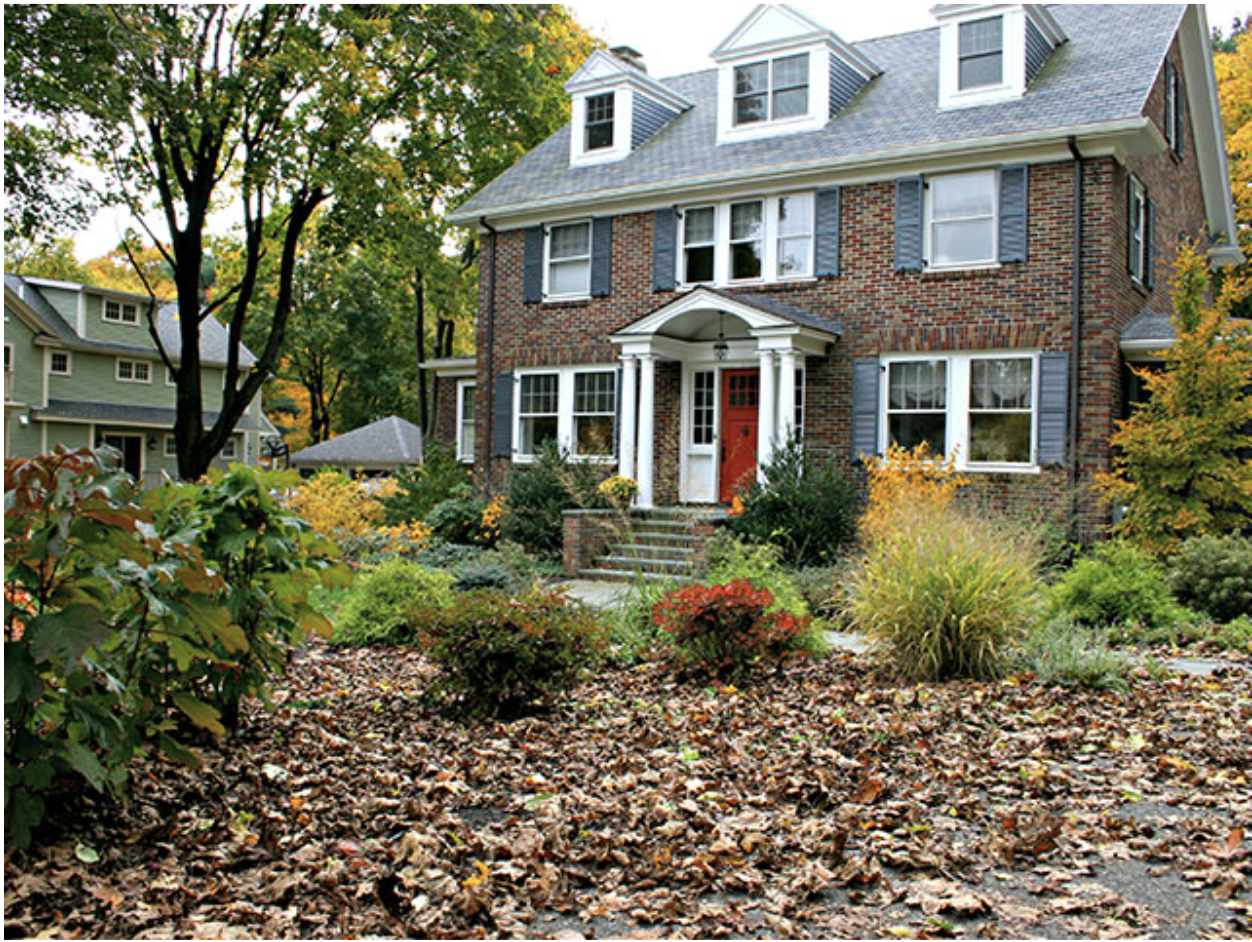
Late fall is also a useful opportunity to aerate. Allowing air to reach the root system helps the lawn overwinter more comfortably and improves soil temperature regulation through freeze and thaw cycles. Small steps like these give the lawn a solid foundation so it can green up more reliably once warmer days return.
2. Clean Up Garden Beds and Manage Annuals and Perennials
Flower beds and garden beds appreciate some thoughtful attention before the first hard freeze. Many perennials benefit from being cut back once frost has blackened their foliage, but not all need immediate trimming.
Leaving some stems in place can offer gentle winter interest and provide shelter for beneficial insects. It also helps overwintering plants hold snow lightly, which insulates the crown through the coldest nights.
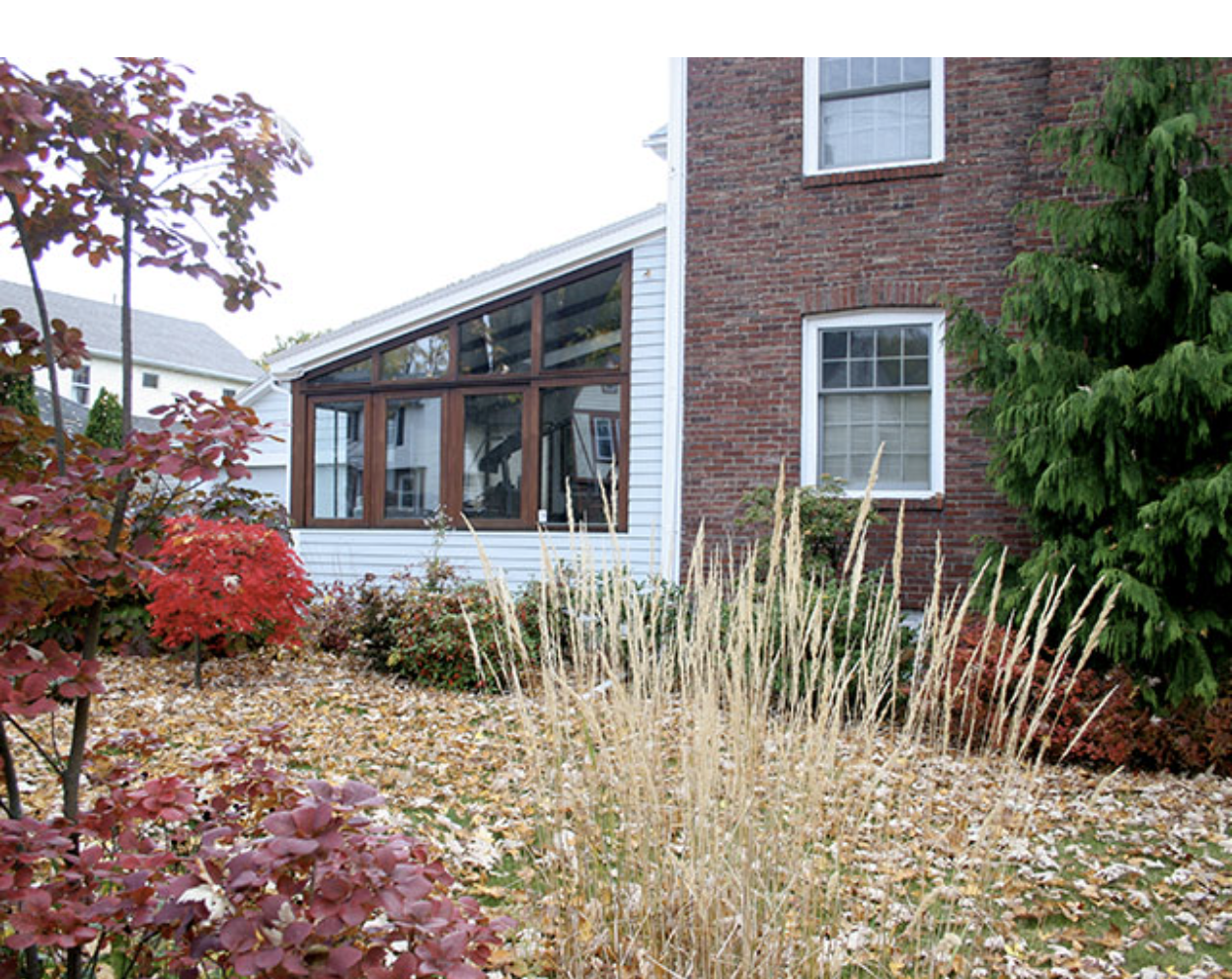
Annuals that have finished their cycle should be removed so they do not decay heavily into garden soil. A light cleanup keeps beds healthy without stripping away every natural element. As winter months pass, the remaining structure helps guide where new growth will appear in early spring and late winter.
These decisions set the tone for how your landscape wakes back up and how seamlessly it moves into the next growing season.
3. Protect Young Trees and Vulnerable Plants
Young trees, shrubs and any sensitive plantings need extra protection once cold weather settles in. Their root systems are still becoming established and their bark is more vulnerable to cracking or sunscald during long winter stretches.
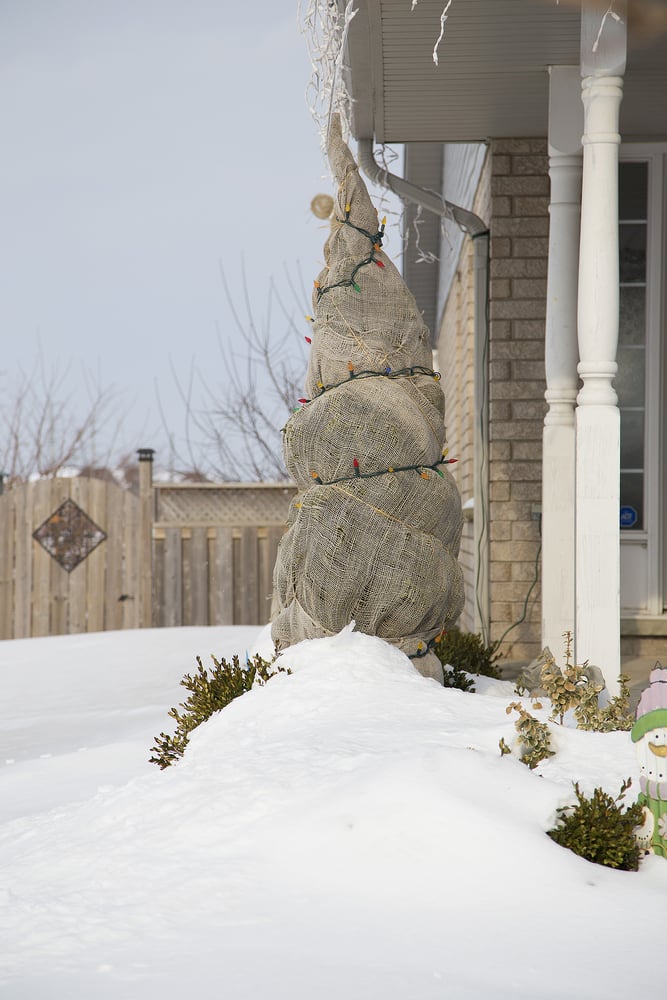
Wrapping tree trunks with burlap can shield them from harsh wind and fluctuating temperatures. This kind of winter protection reduces winter damage and helps plants overwinter with confidence.
Plants that were installed recently may also benefit from extra protection around the base. A light pillow of natural material around the root zone keeps temperatures steadier and supports the plant as it adjusts to the first full cycle of winter months.
These small steps help ensure healthier foliage and stronger growth when the season shifts again.
4. Protect Garden Soil with Compost and Mulch
Healthy garden soil is the backbone of a strong landscape, and winter is when it needs care the most. Once soil temperature drops and the first frost arrives, adding compost enriches the earth with organic matter that slowly feeds the ground through winter. This supports long-term soil structure and helps plants enter the growing season with better access to nutrients.
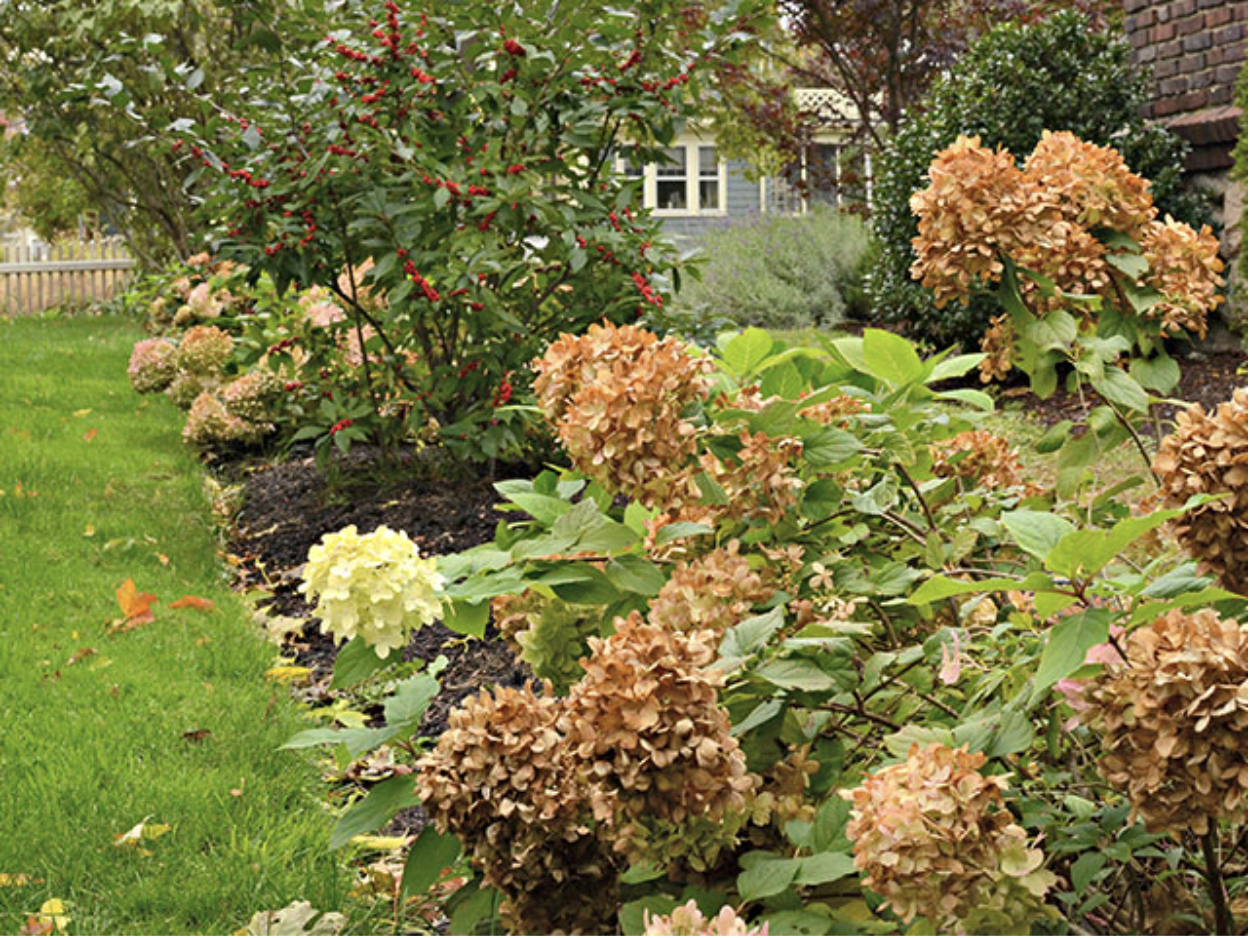
A layer of mulch applied after compost helps lock in warmth. Adding inches of mulch insulates plant roots, steadies the ground as it freezes and reduces the freeze-thaw cycles that can push perennials out of place. Mulch also protects garden beds from erosion and keeps moisture levels steadier as winter storms move through.
As the ground freezes and thaws, these layers work together to safeguard the root system and prepare flower beds for a stronger start next year.
5. Manage Water and Winterize Outdoor Systems
Water management is often overlooked in late fall even though it has a major impact on winter health. Deep watering before the ground freezes helps saturate the soil so plant roots head into winter with proper moisture. Well hydrated soil holds warmth more effectively, which offers extra protection through hard freeze periods.
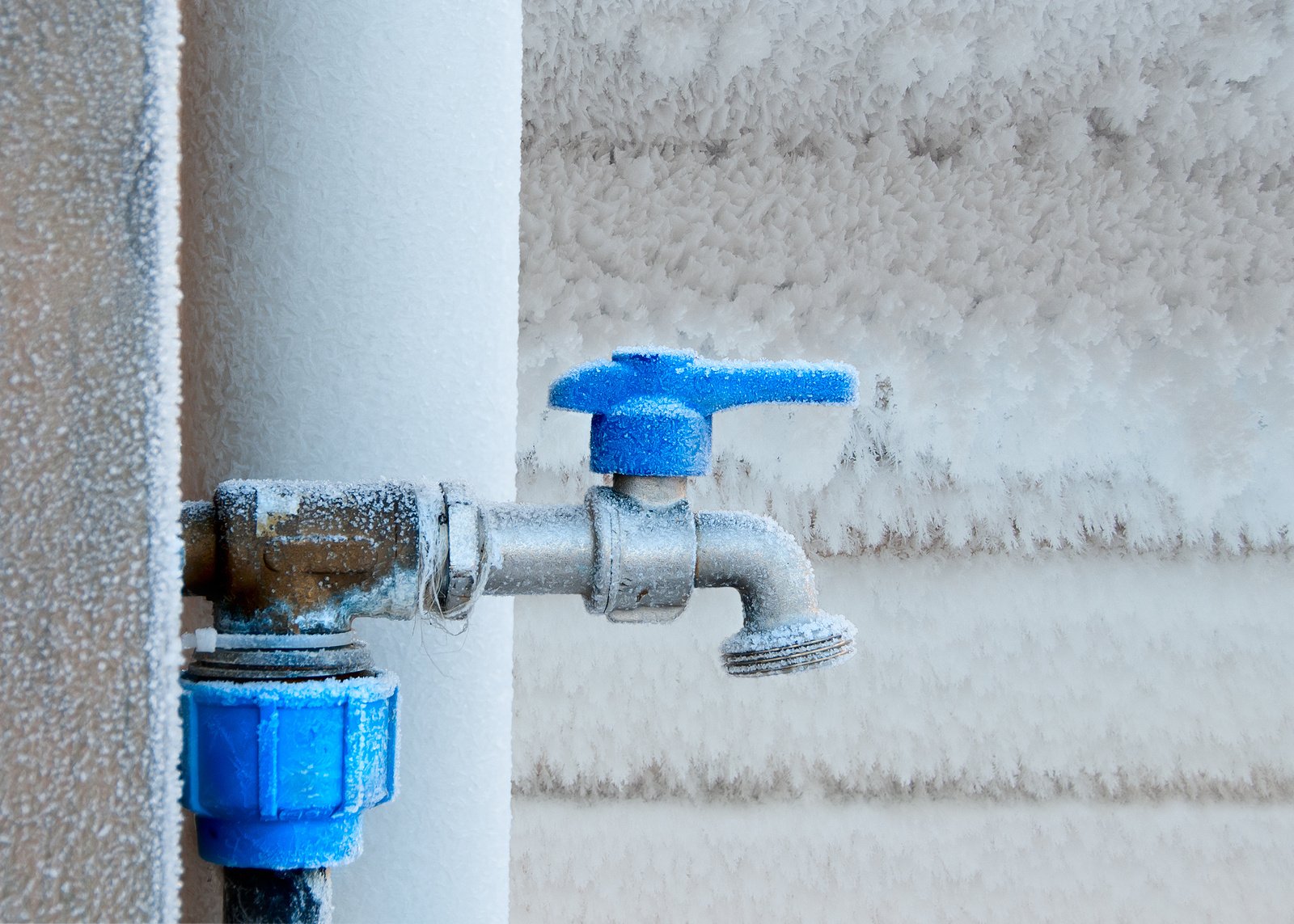
This is also the time to winterize your irrigation system. Standing water in lines or valves can lead to breaks during hard freeze cycles, and protecting the system now helps avoid repairs in early spring. Draining irrigation components and preparing outdoor plumbing for the season keeps both the landscape and the infrastructure safe.
Thoughtful water management ensures the entire outdoor space moves into late winter and early spring with less stress and a better chance at vigorous new growth.
As you wrap up these final touches in late fall, your landscape shifts into a quieter season where preparation matters just as much as growth.
Preparing your landscape for winter is ultimately about giving your outdoor space the conditions it needs to move through the colder months with stability. When your lawn, garden beds and plant roots head into winter supported rather than strained, everything responds better once temperatures rise again.
These end-of-season tasks help your landscape settle in for the winter months with less stress and create a smoother transition into early spring. By tending to soil health, plant protection and water systems now, you set the stage for stronger growth and a healthier yard throughout the next year.
To learn more about landscape maintenance for your home, download our free ebook, How to Maintain Your Landscape and Transform It Into a Beauty You'll Love. If you're ready to get started on your new landscape project, or simply want to learn more about the process, you can contact our team here to schedule a free consultation. We'd love to talk to you!