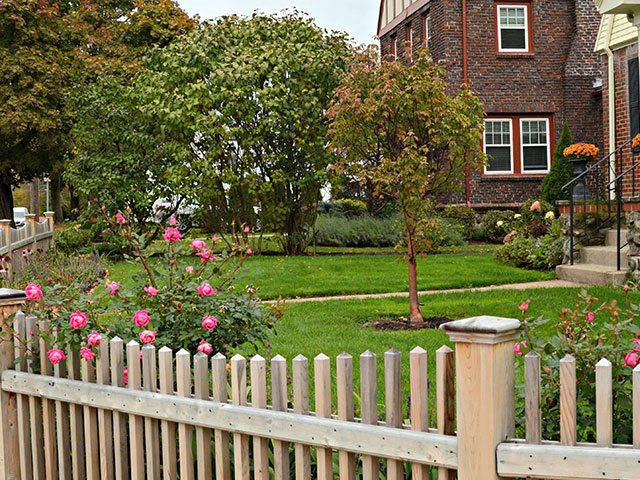
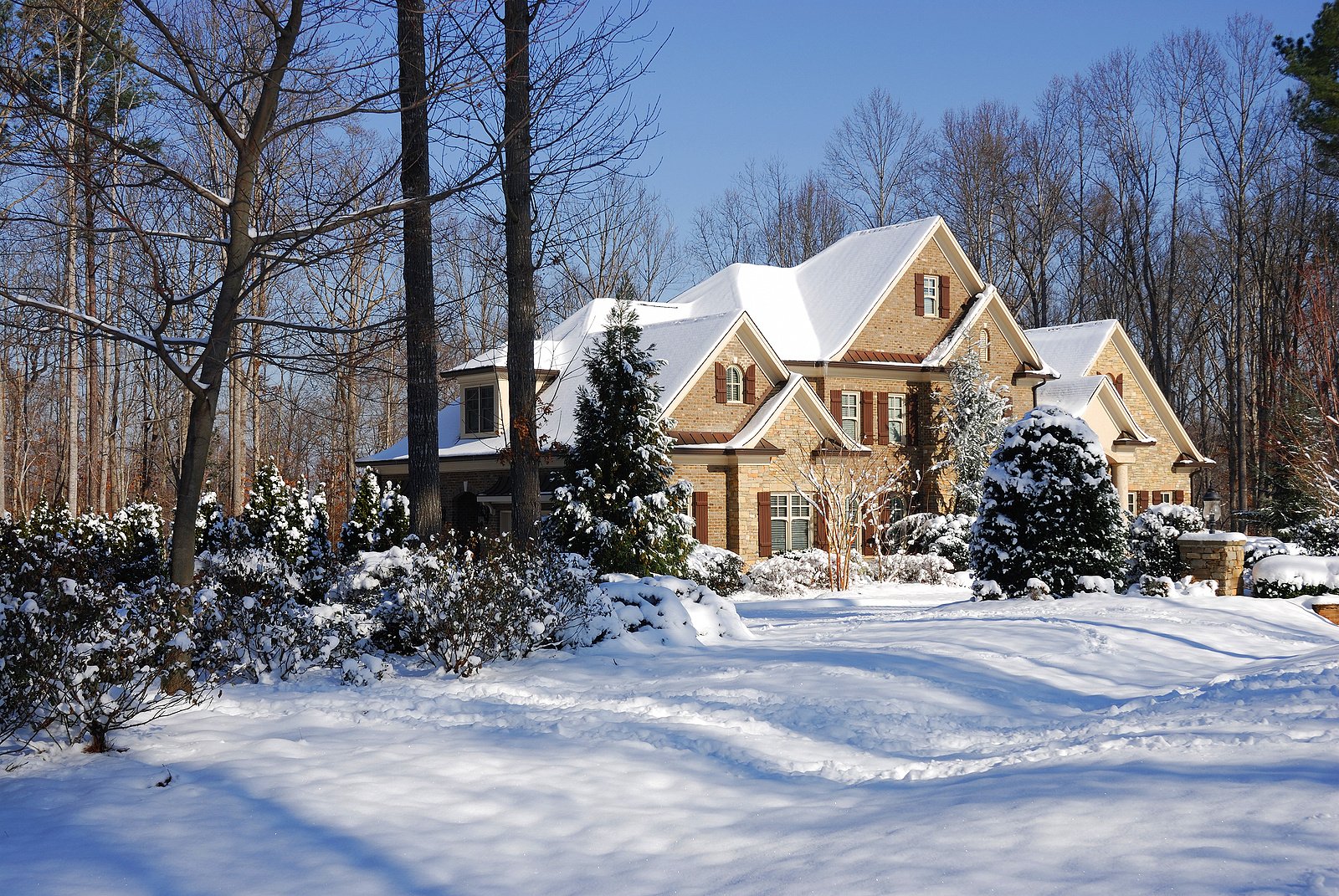
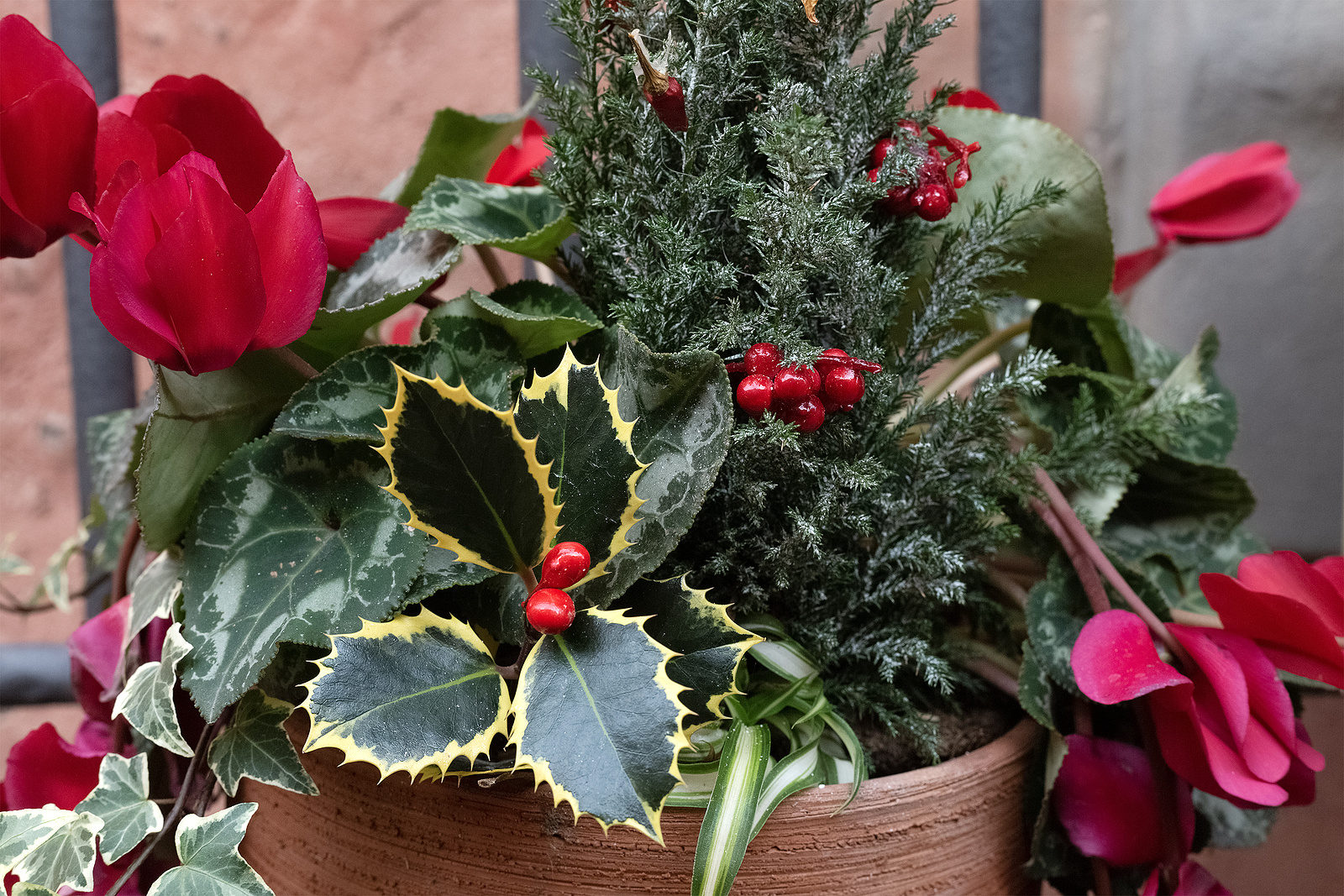
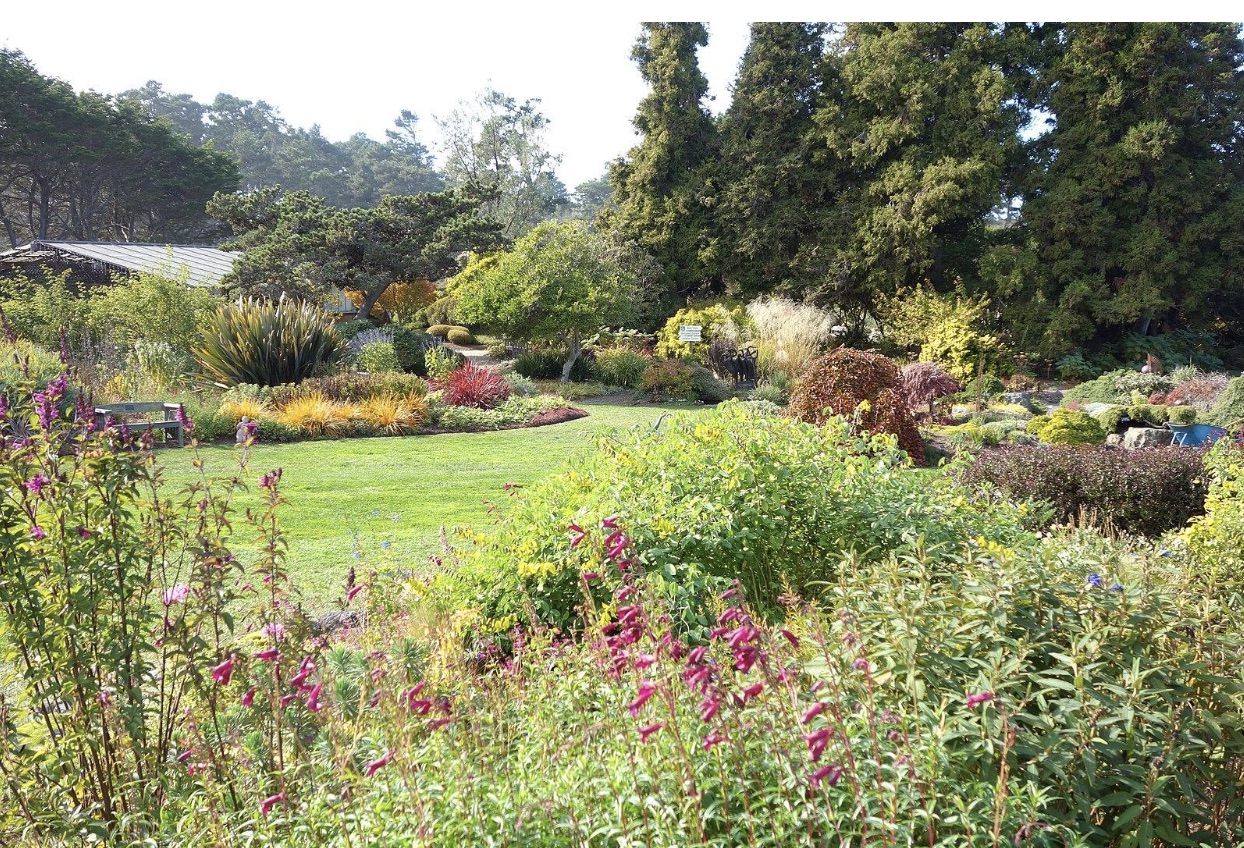
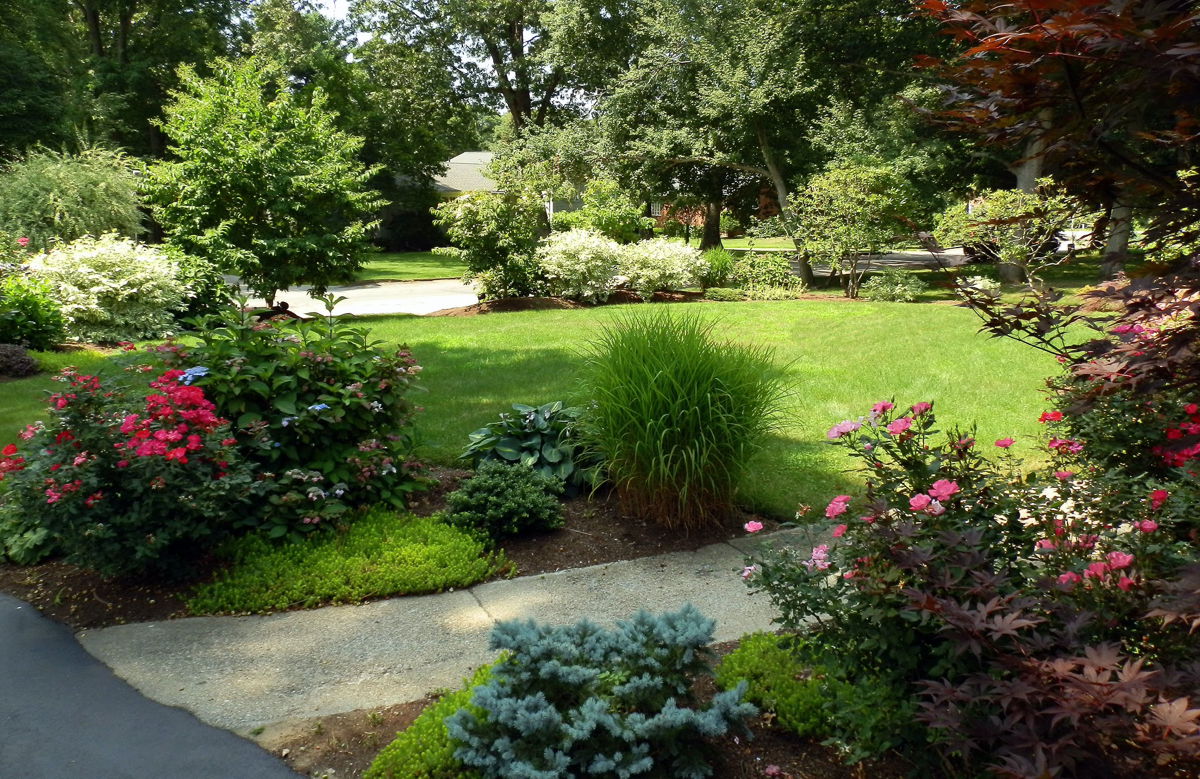
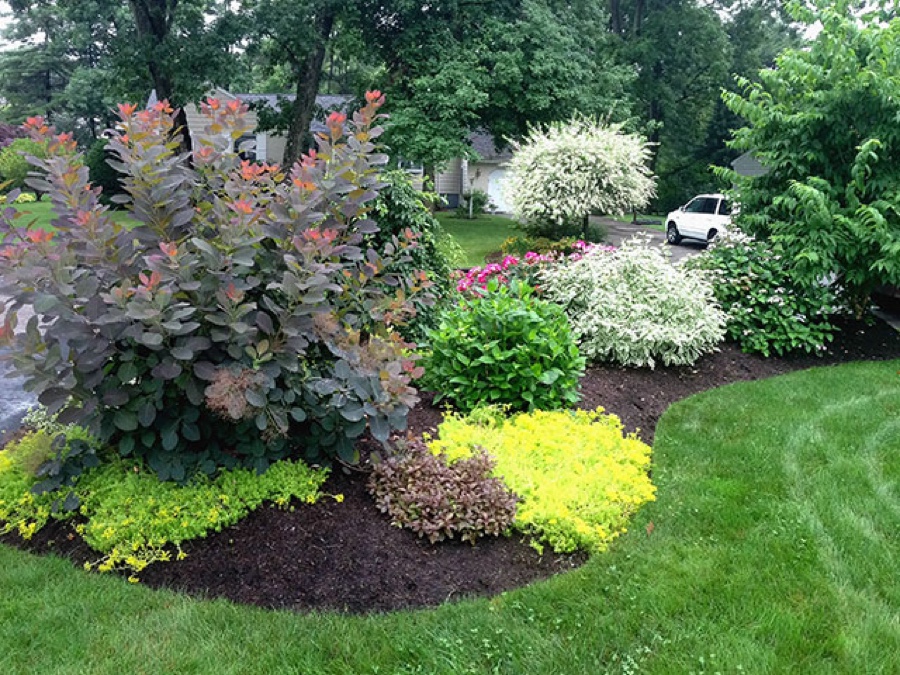
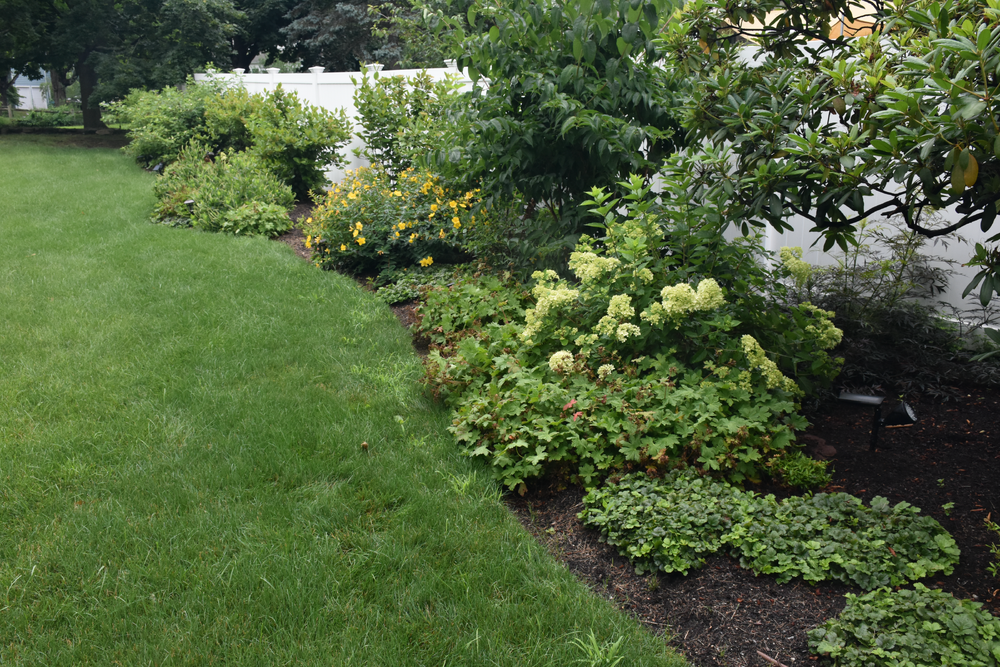
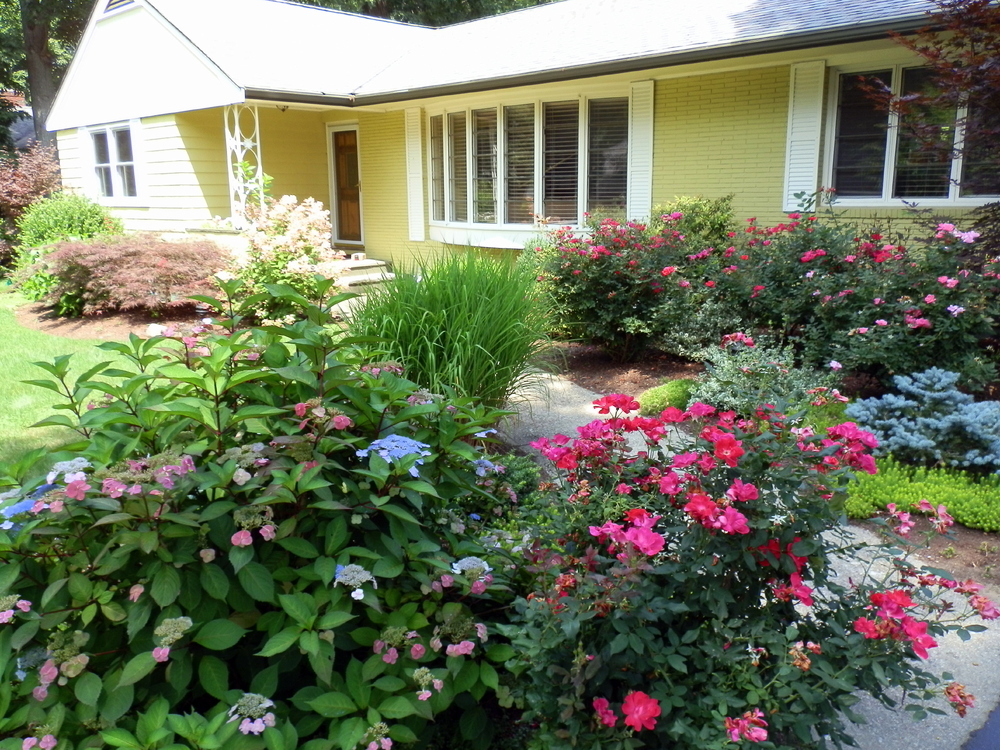
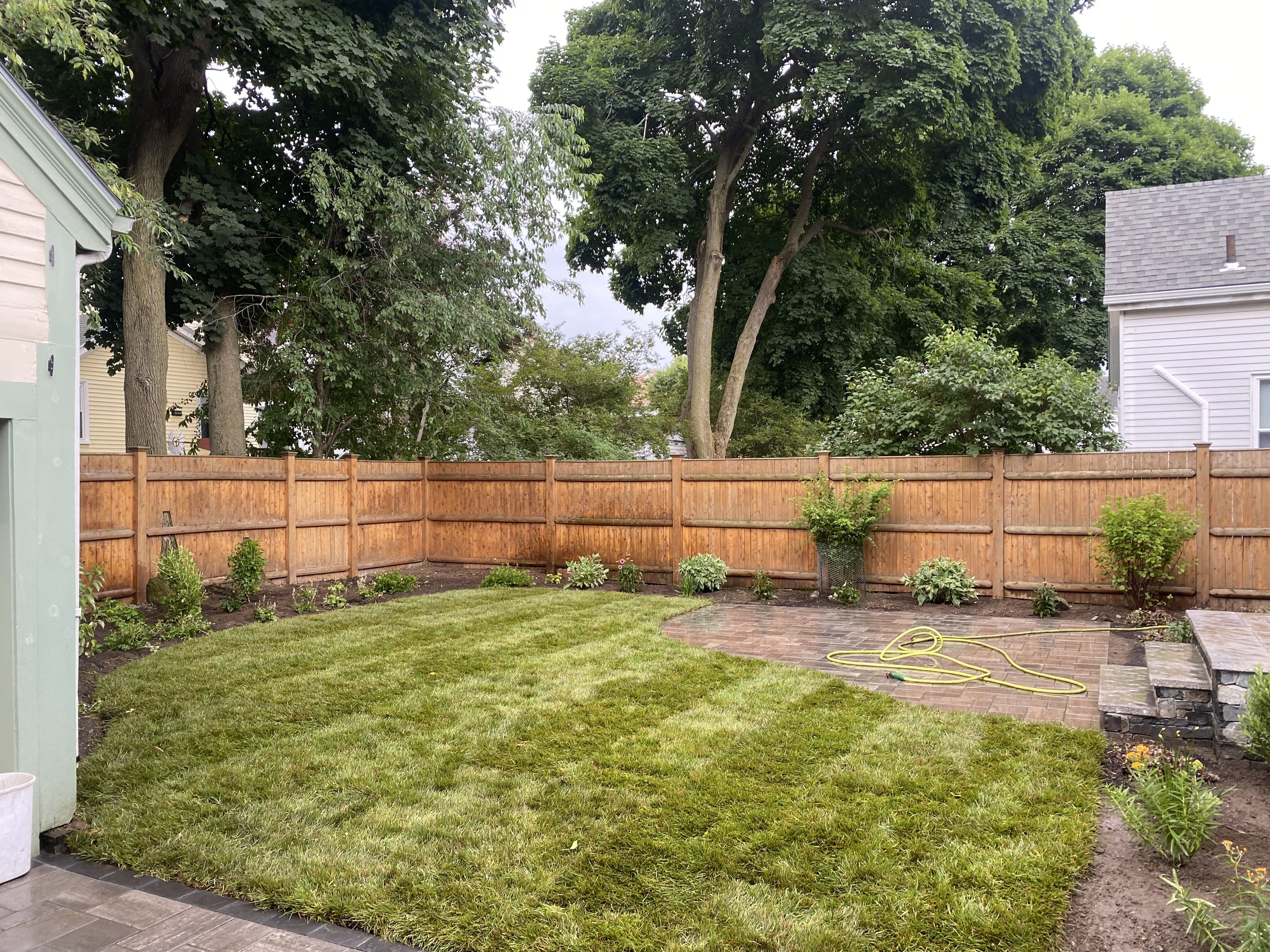
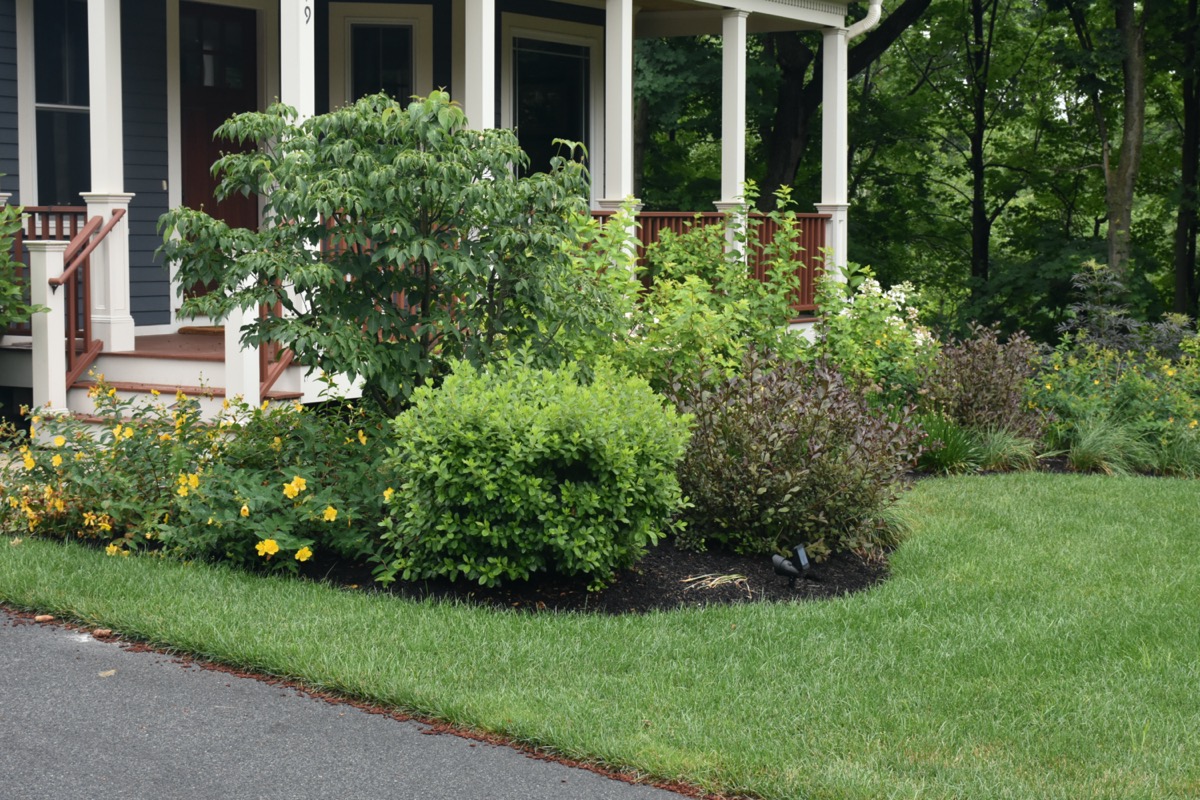
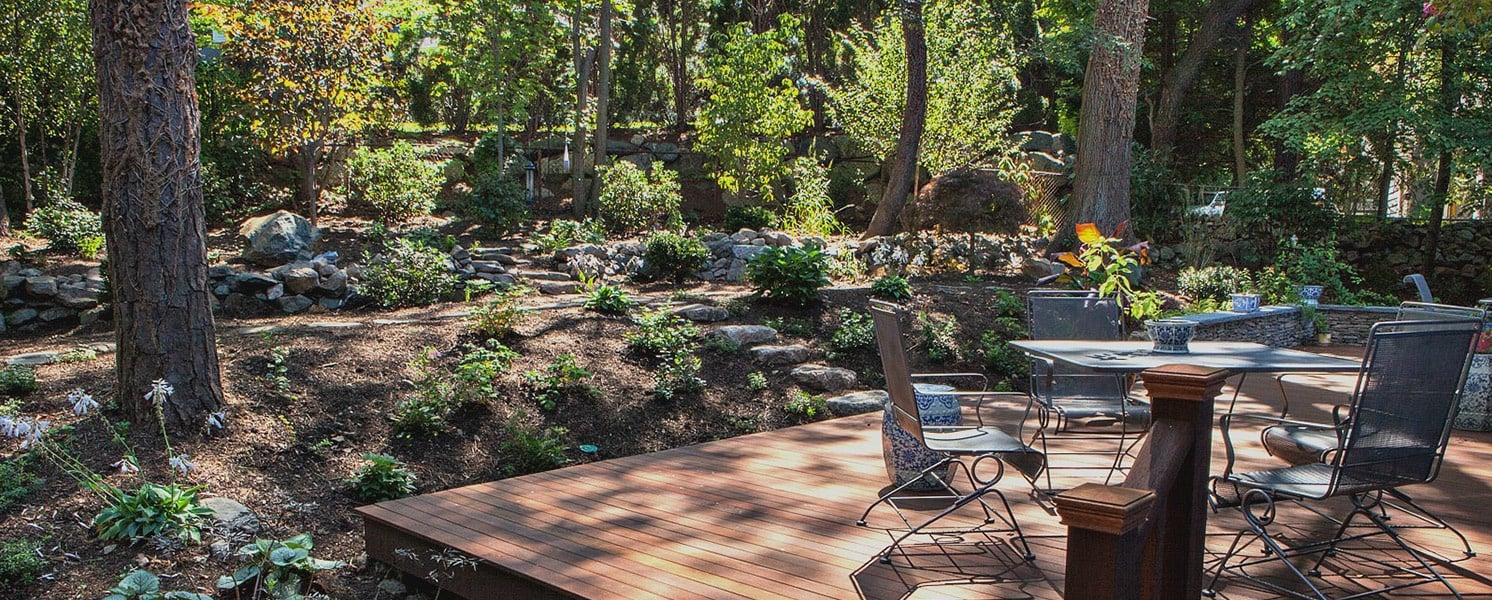
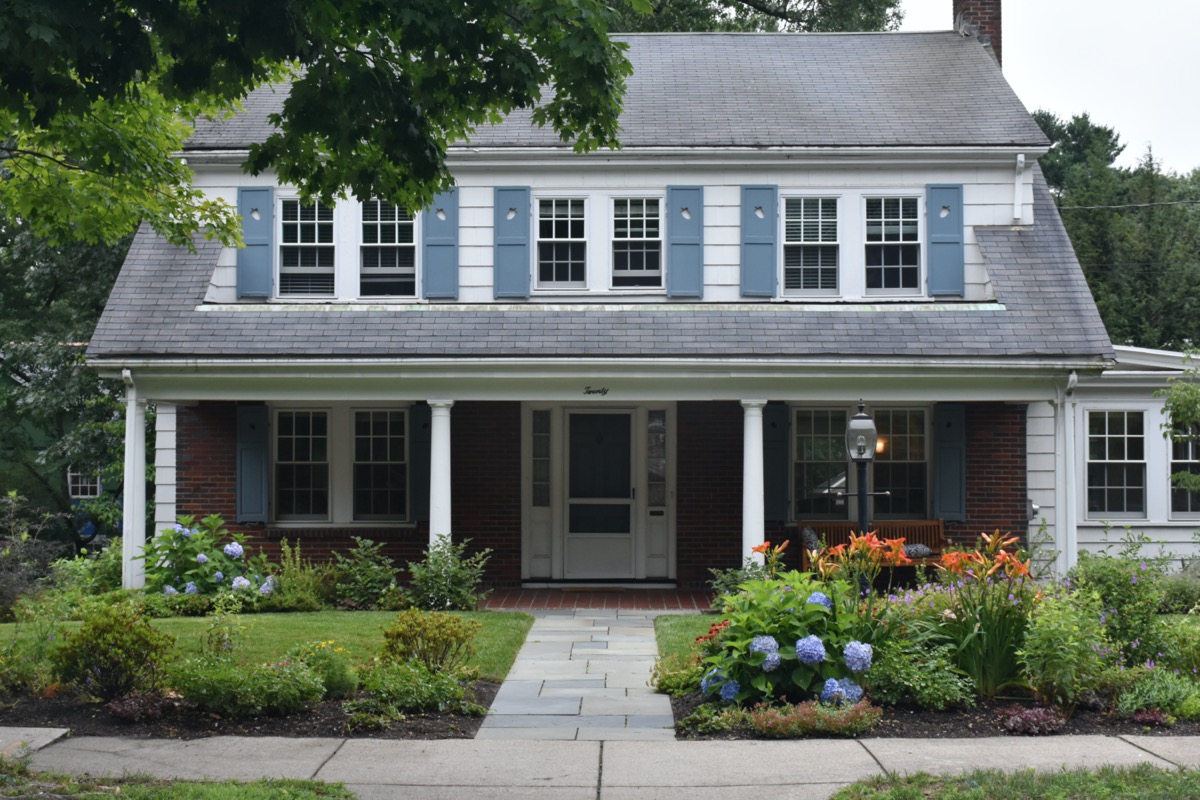
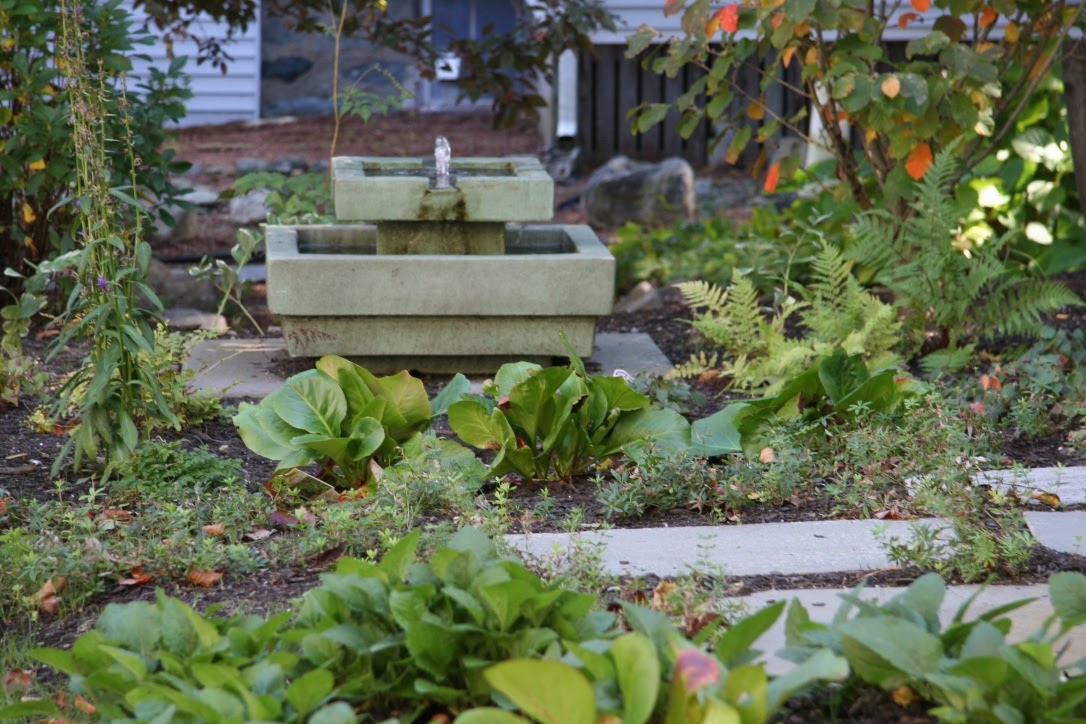
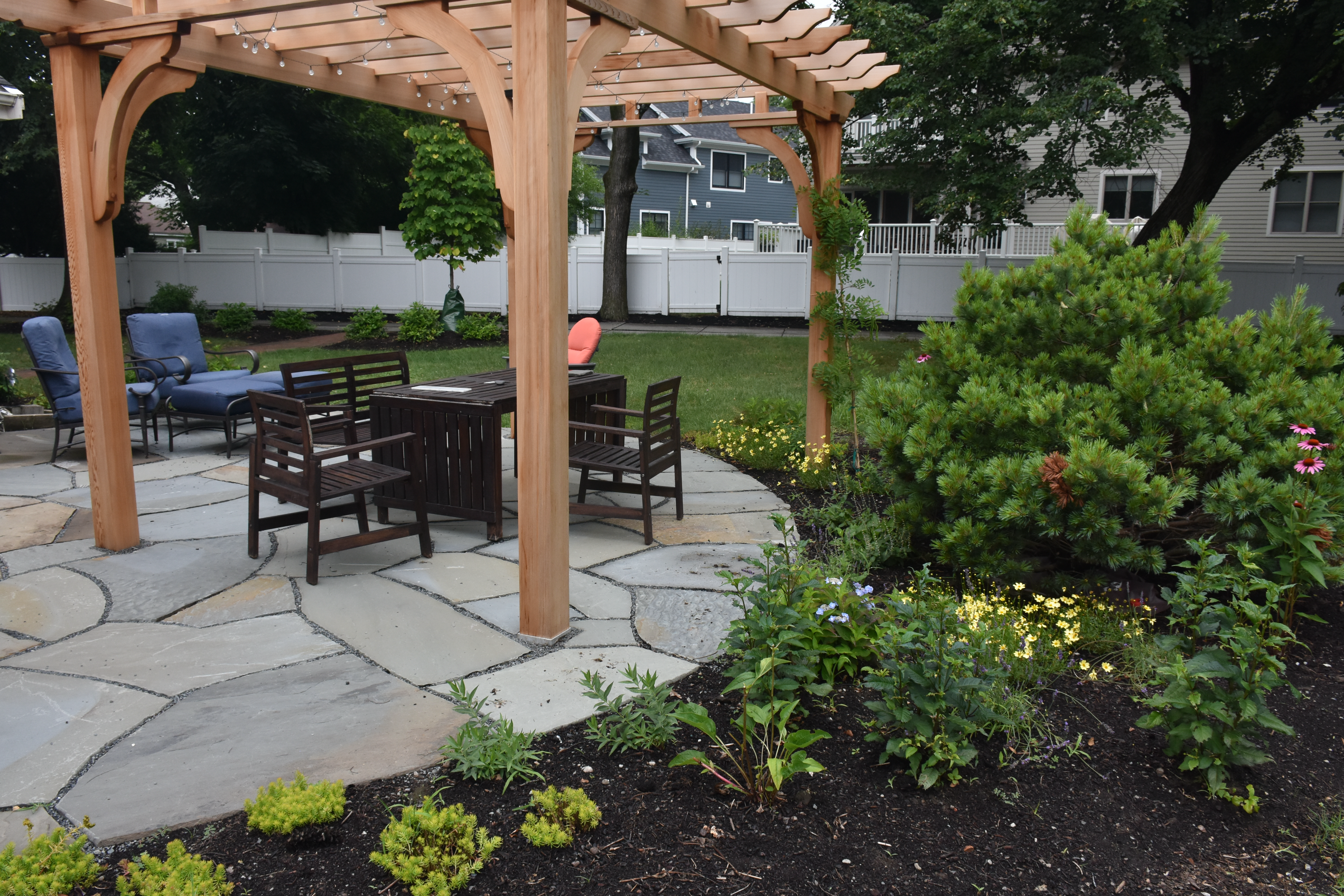
Summertime passes by quickly, but that doesn’t mean that you’re out of time to garden this year. On the contrary, now is the perfect planting time for a fall garden.
Fall gardening can be fruitful, rewarding, and often more pleasant than gardening through the hottest part of the year. Cooler temperatures above ground, residual warm soil temperatures from warmer weather, and increased moisture are requirements for planting a lot of wonderful trees, flowers, and vegetables.
Learning more about cool weather planting will extend the enjoyment you’re able to get from your landscape throughout the entire growing season.
Reasons You Should Plant in Your Landscape in the Fall
Fall planting is typically done from the end of August through October, once temperatures start to cool down, but before the first frost date. These cooler months ranging from late summer to early fall are not only gentler on us, but are gentler on many plants as well. These temperatures encourages plants to grow and become healthy and established during the remainder of the favorable weather, before the ground freezes.
If we plant trees and perennials with care during this time of year, we give them the opportunity to become well-established by the time early spring arrives. This is a great reason to plant in the fall, because if your plants are already thriving at the start of the growing season, they can reach their highest growing potential for the remainder of the season. This jumpstart allows the plant to achieve its maximum blooming and fruiting time when the next season arrives.
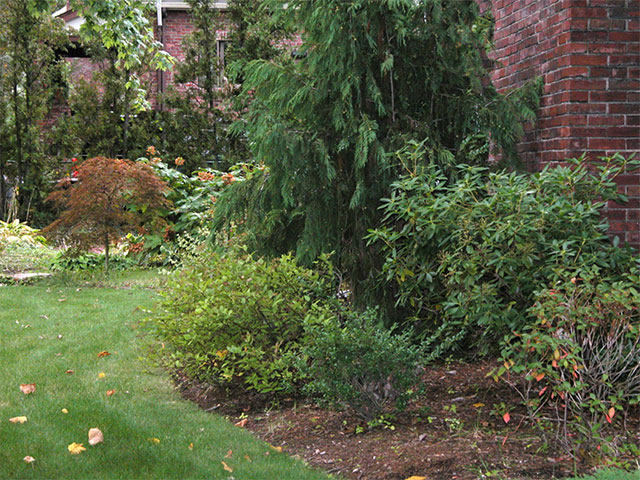
Another reason to plant in the fall is that in doing so, your plants don’t need to battle intense summer heat when they are at their most vulnerable. A young plant, whether a seedling or a sapling, is simply not as hardy as it will be after maturation.
A small, vulnerable plant requires intensive watering in the heat of summer. Planting in the fall will help you to avoid exposing your young plants to harsh conditions, and will save you time and effort when it comes to protecting them from heat and drought.
What Should You Plant in the Fall in Massachusetts?
Here in Massachusetts, there are a great number of plants that will benefit from an autumnal planting.
First on the list are spring bulbs. Flowers such as tulips, daffodils, and crocus need to be planted in the fall so that they will bloom when early spring arrives. These bulbs require a great amount of time in a dark and very cool environment, and burying them before extreme cold arrives makes sure that they will overwinter sufficiently, receiving the correct amount of cold and darkness prior to the first warm days of spring.
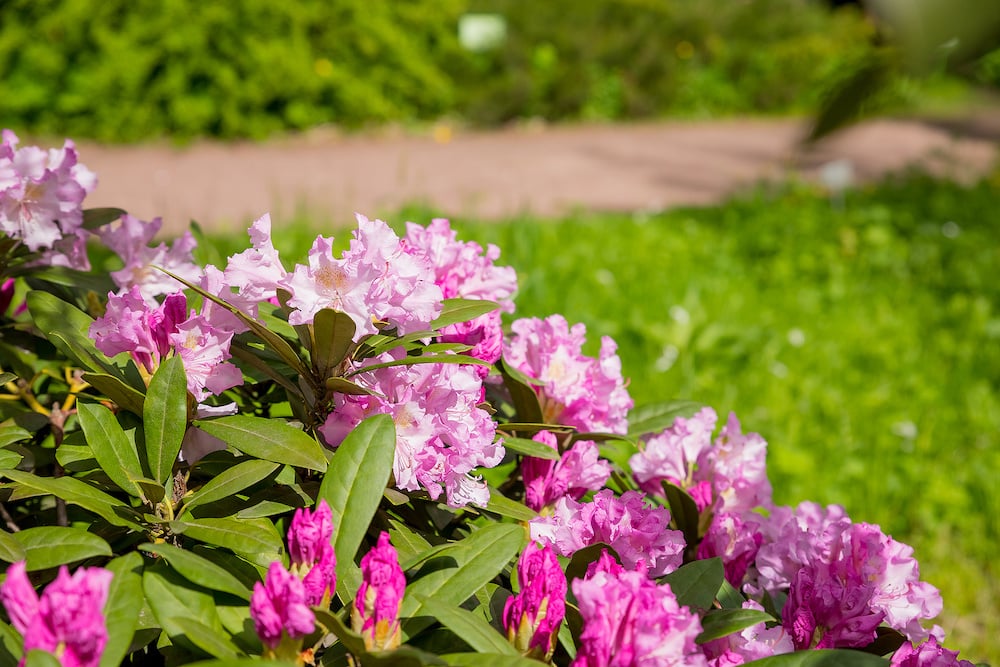
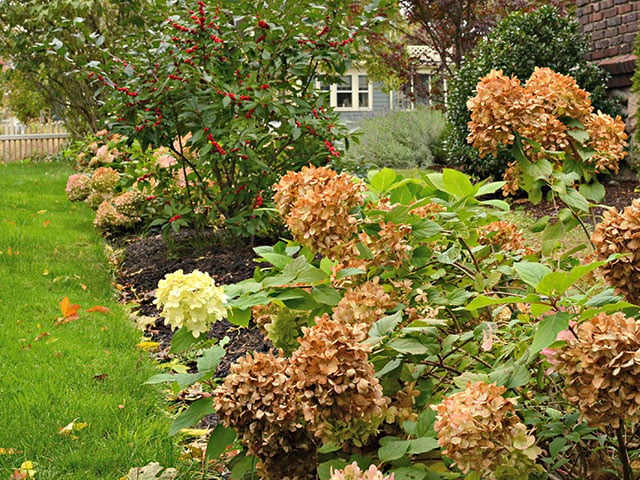
Many trees and shrubs that grow well in our area benefit greatly from fall planting. Flowering shrubs such as hydrangeas and rhododendrons do well when planted in the fall. Their root systems are able to become established in the cool months, allowing them to have deep-reaching roots by the time the hot, dry summer rolls around.
Non-flowering plants such as boxwoods and maple trees should be planted in the fall for the same reason. Planting in cool weather helps to grow healthier plants that can withstand the heat without you having to water them too often.
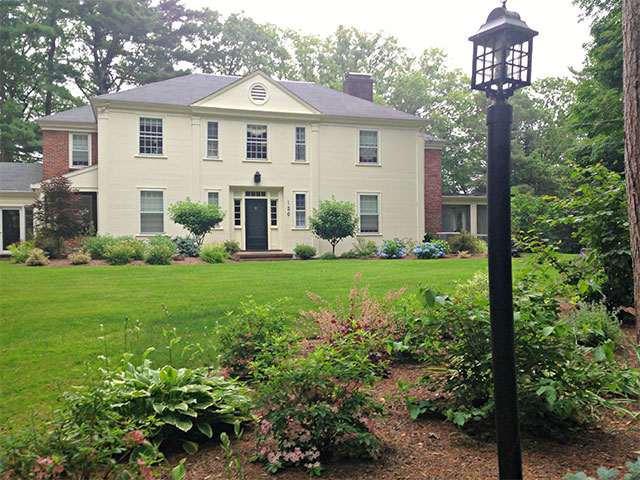
Adding a layer of mulch after planting and watering will double down on ensuring success, as the mulch will insulate the roots and help the plants retain moisture.
Another category of plants that should be planted in the fall are herbaceous perennials. A popular choice in many landscapes, these perennials are loved because they are attractive plants whether they are blooming or are only displaying foliage.
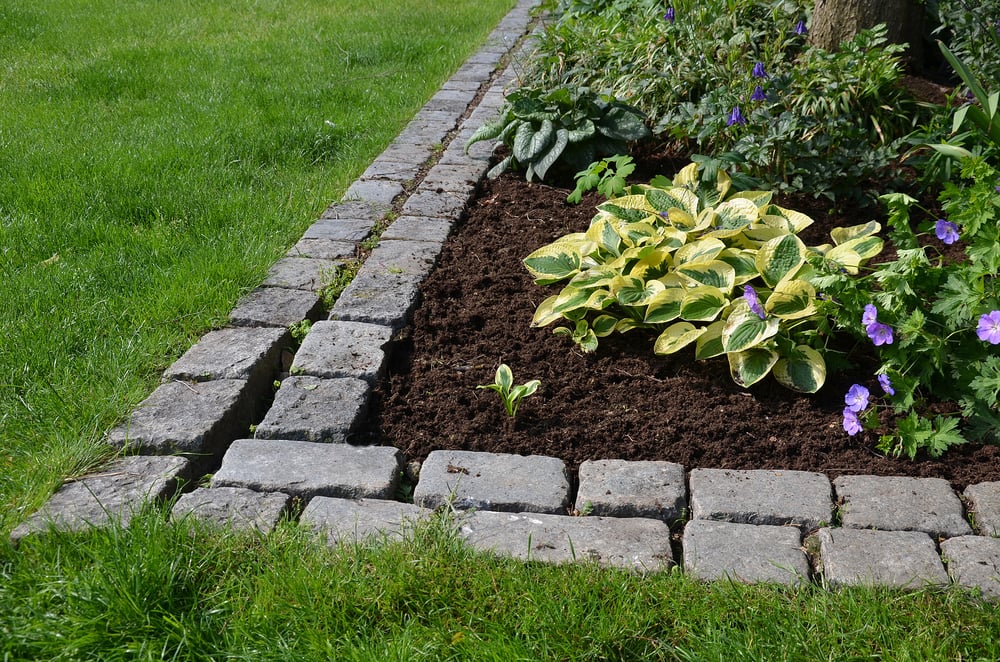
Hostas, black-eyed Susans, and salvia are some herbaceous perennials that grow well in our area and benefit greatly from fall planting. By getting them in the ground now, rather than in the spring, you’re allowing these perennials to grow to their maximum size and produce as many blooms as possible in the upcoming growing season.
Along with your decorative garden beds, your vegetable garden still has a lot of growth potential come fall.
There are lots of vegetables that are better suited for cold weather. Leafy greens waste no time when it comes to germination, giving them the ability to go from seed to food in a very short number of weeks.
If you have some seed packets with leftover spinach or lettuce remaining from your spring planting, don’t hesitate to toss them into a bed! When grown in cool weather, these greens are much slower to grow bitter and bolt. And, though they love partial shade, cool weather can help them to better tolerate being planted in full sun.
Root vegetables, like carrots, beets, onion and turnips can grow bitter or overly spicy in the extreme heat of summer; therefore, they are well-suited for fall planting due to their cold-hardy nature. These cool-season vegetables tend to be quick growers, and thrive from planting until first frost. Some varieties may even tolerate light frost on their foliage, and can be harvested right up until the ground freezes.
So, if you’re looking to add diversity to or expand your landscape, consider all the ways in which you can do so with fall planting.
The best fall flowers for Massachusetts
If you want color in your yard through September and October, fall-blooming flowers are the answer. Several varieties thrive specifically in the cooler conditions of a Massachusetts autumn and hold up even as temperatures drop toward frost.
Asters
New England asters (Symphyotrichum novae-angliae) are one of the most reliable fall bloomers in this region. They produce clusters of purple, pink, or white daisy-like flowers from late summer through October, often continuing right up to the first hard frost. As a Massachusetts native, the New England aster also supports migrating monarch butterflies and native bees late in the season when other food sources are scarce. Plant in full sun with good drainage and expect heights of 3 to 6 feet, depending on the variety.
Ornamental kale and cabbage
For beds and containers that need to look good into November, ornamental kale and cabbage deliver bold color when most other annuals have given up. Their rosettes intensify in color as temperatures drop below 50 degrees Fahrenheit, shifting from green to deep purple, pink, or white. They can tolerate light frost, which makes them one of the few reliable options for late-season containers in Massachusetts.
Chrysanthemums
Hardy garden mums are the classic fall flower for good reason. Planted in early to mid-September, they establish quickly and bloom for several weeks. Choose varieties labeled as hardy mums rather than florist mums, which are bred for indoor display and unlikely to survive a Massachusetts winter. Garden mums planted in fall with adequate root establishment can return for multiple seasons.
Sedum
Tall sedum varieties such as Autumn Joy (Hylotelephium 'Herbstfreude') are workhorses of the fall garden. Their flat-topped flower heads turn from pink to deep rust-red as the season progresses, and the dried seed heads provide winter interest long after the growing season ends. Sedum is drought-tolerant once established, making it a practical choice for Massachusetts gardens that see dry spells in late summer.
Native Massachusetts plants worth adding this fall
Fall is an excellent time to establish native plants in a Massachusetts landscape. The cooler temperatures reduce transplant stress, and the combination of warm soil and autumn rains gives roots time to settle in before the ground freezes. Natives planted in fall tend to perform better in their first summer than those planted in spring, because their root systems have had a full season to develop.
A few particularly well-suited options for this region:
Fothergilla (Fothergilla gardenii)
A native shrub that offers three-season interest: fragrant white flowers in spring, clean green foliage in summer, and some of the most vivid fall color in the landscape. Yellow, orange, and red often appear on the same plant simultaneously.
Beautyberry (Callicarpa americana)
Grown primarily for its striking clusters of iridescent purple berries, which appear in September and persist through early winter. The berries are a food source for birds, including robins and catbirds, during fall migration.
Switchgrass (Panicum virgatum)
A native ornamental grass that turns golden-orange in fall and holds its structure through winter, providing seeds for birds and shelter for overwintering insects. For more on fall grass planting, see our post on planting ornamental grasses in the fall.
Heptacodium (Heptacodium miconioides)
One of the last woody plants to bloom in the season, producing fragrant white flowers in late August and September, followed by showy red calyces that persist into November. Hardy throughout Massachusetts and relatively underused.
For more on incorporating native plants into a Massachusetts landscape, see our guide to choosing the right native plants for sustainable landscaping in Massachusetts.
If you have the desire to enhance your lawn during the cool months but aren’t sure where to begin, a landscape service will have the expertise to guide you into discovering which plants, shrubs, or trees will work best in your particular area, and can execute best practices to ensure your garden’s success.
To learn more about designing a custom landscape for your home, download our free ebook, The Mindful Homeowner's Guide to Transformative Landscape Design. If you're ready to get started on your new landscape project, or simply want to learn more about the process, you can contact our team here to schedule a free consultation. We'd love to talk to you!