When winter settles in and the garden quiets down, it becomes easier to see the underlying structure of your outdoor space. Without summer foliage competing for attention, shapes, textures and materials stand out in a way that feels calm and intentional.
Thoughtful winter landscaping can highlight those qualities and help your yard feel just as cared for in January as it does in June. A well-designed winter garden does not rely on bright blooms. It depends on plants with presence, hardscapes with purpose and lighting that brings everything to life after dark.
Below are the design elements that create real winter interest and support a landscape that performs all year-round.
1. Use Evergreens and Structural Plants to Shape the Space
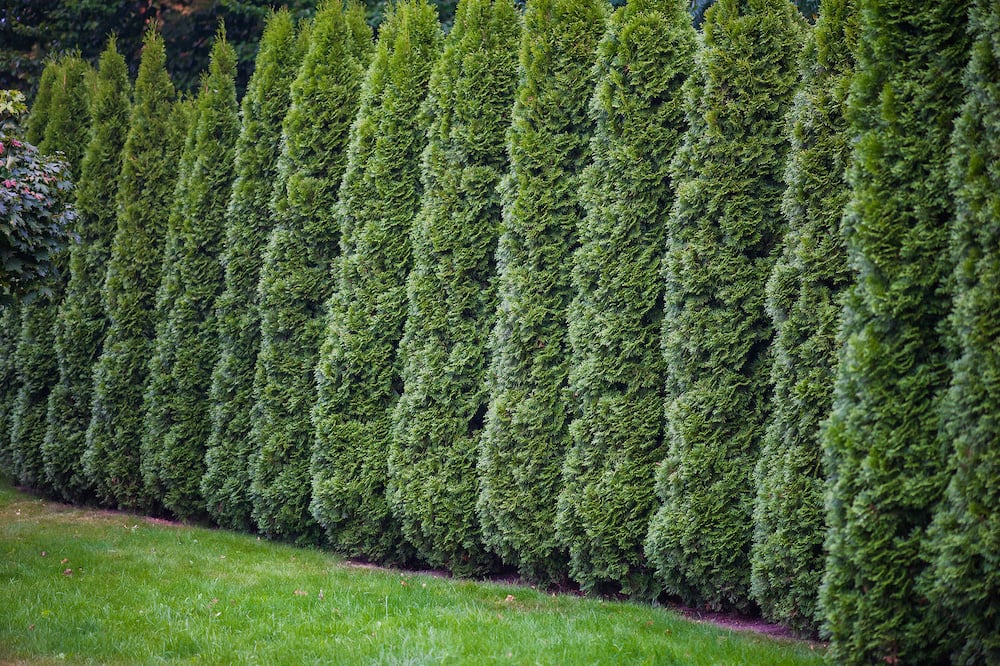
Evergreens provide the steady framework a winter garden needs. Boxwood, holly and evergreen shrubs hold their form through the winter months and keep the landscape visually balanced. Their shapes guide the eye, soften edges and anchor planting beds when other plants have died back. Even a small number of well-placed evergreens can define a space that feels intentional.
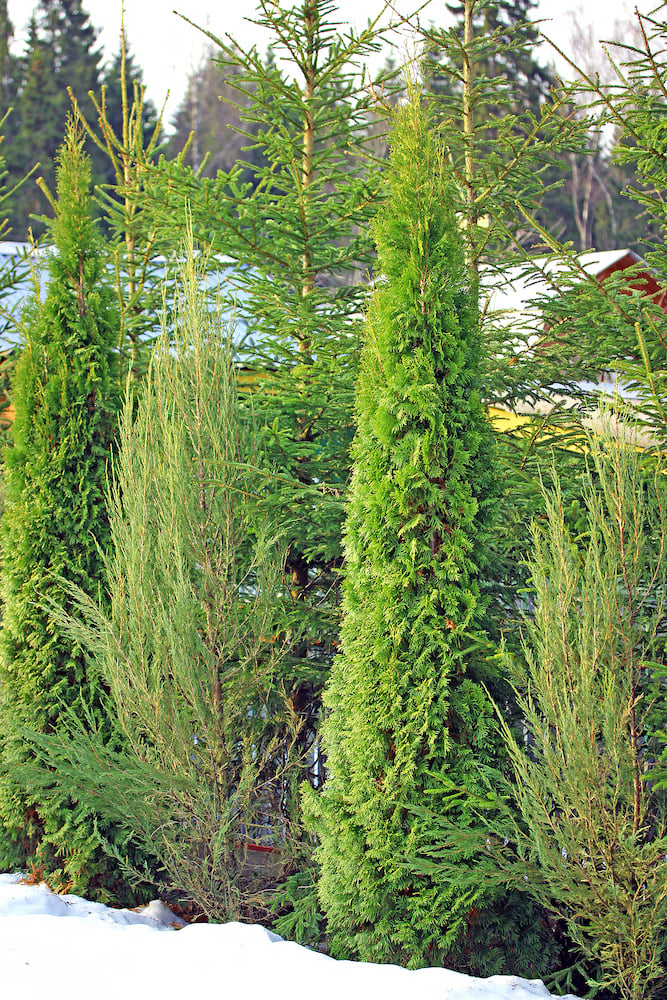
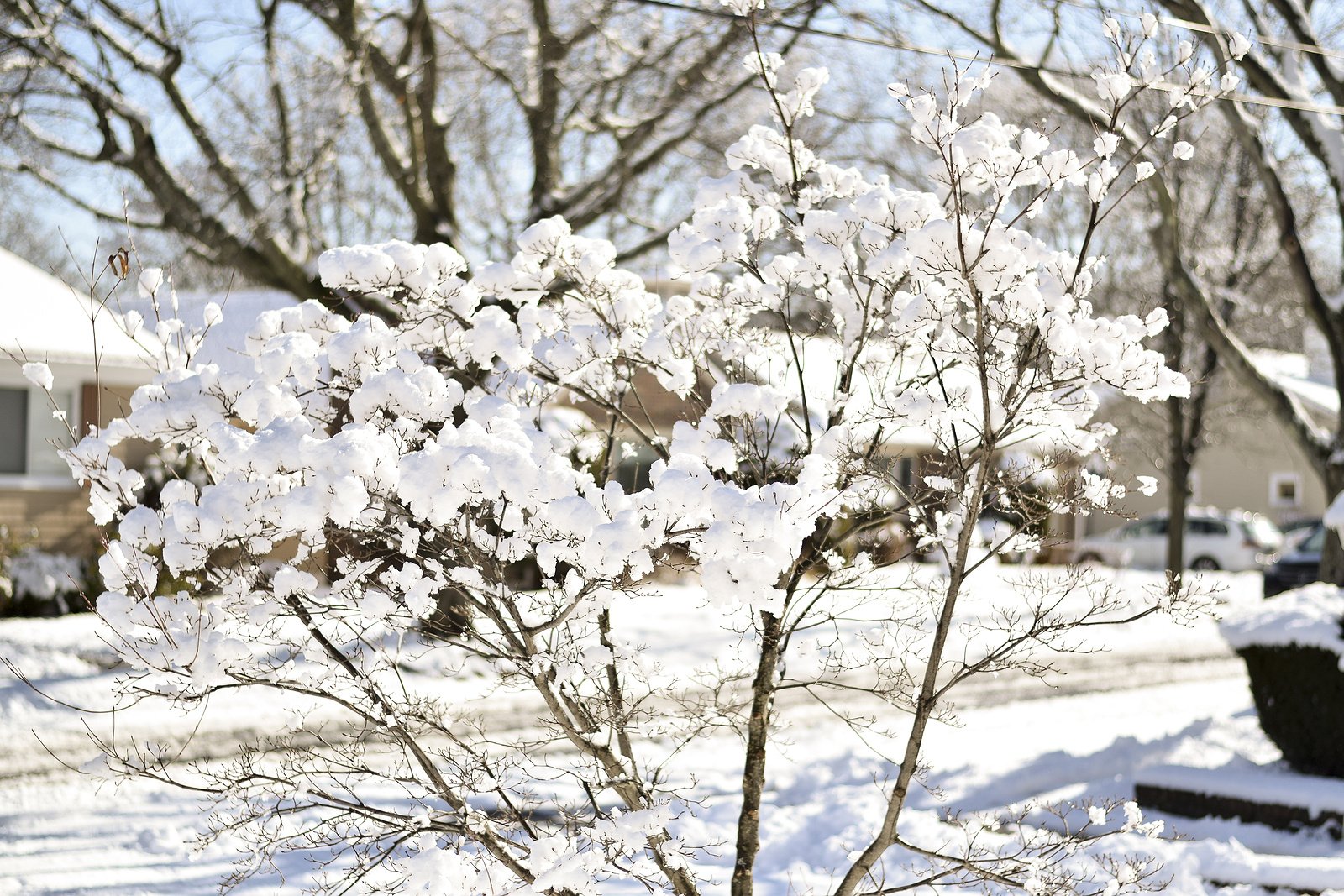
Winter also highlights the beauty of branching structure. Plants with distinctive bark or colorful stems become quiet focal points once leaves drop. Paperbark maple, red twig dogwood and mature shrubs with strong silhouettes help the garden feel layered and composed.
These elements bring detail to colder months and allow the winter garden to feel like a planned extension of your home rather than a dormant gap in the year.
2. Add Plants That Bring Winter Color and Texture
Color in winter does not need to overwhelm the landscape. Often the most successful winter gardens rely on plants that offer subtle but meaningful contrast.
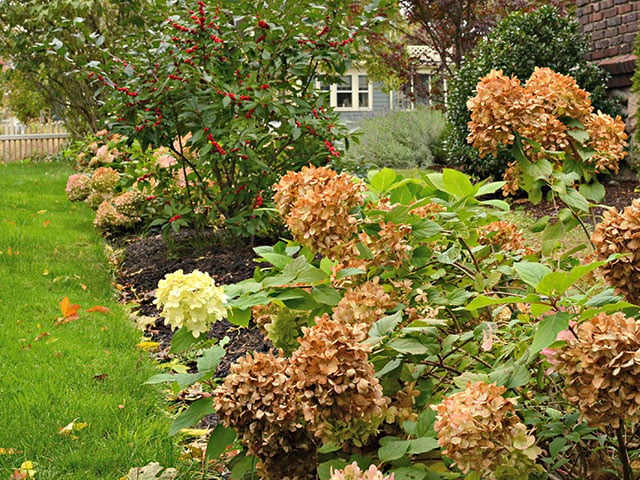
Hellebores provide some of the earliest winter flowers and remain attractive long after they bloom. Winterberry adds bright clusters of berries that stand out against snow and evergreen foliage. Both plants keep the garden lively without requiring constant care.
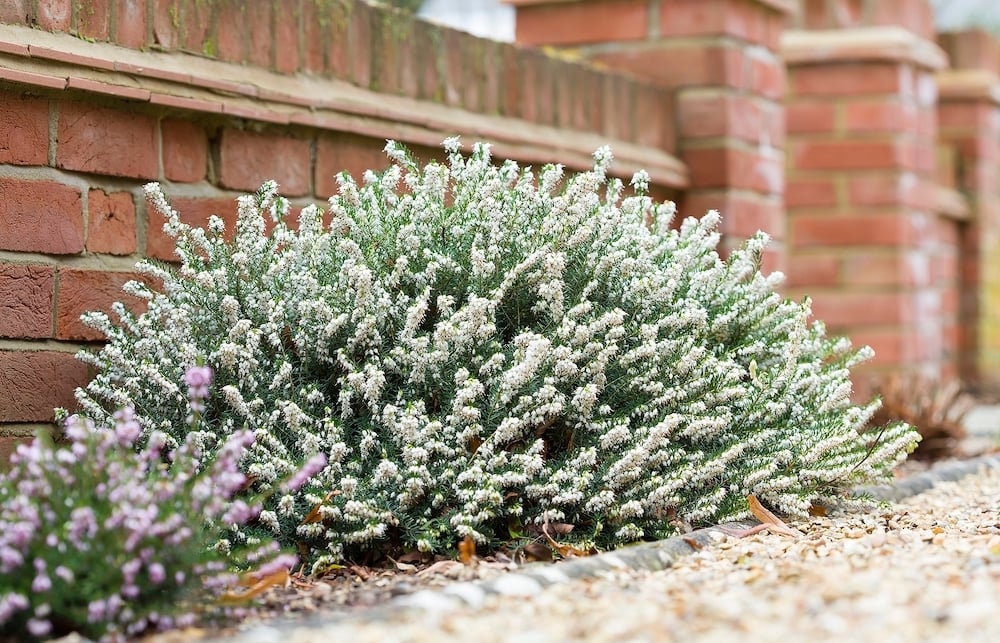
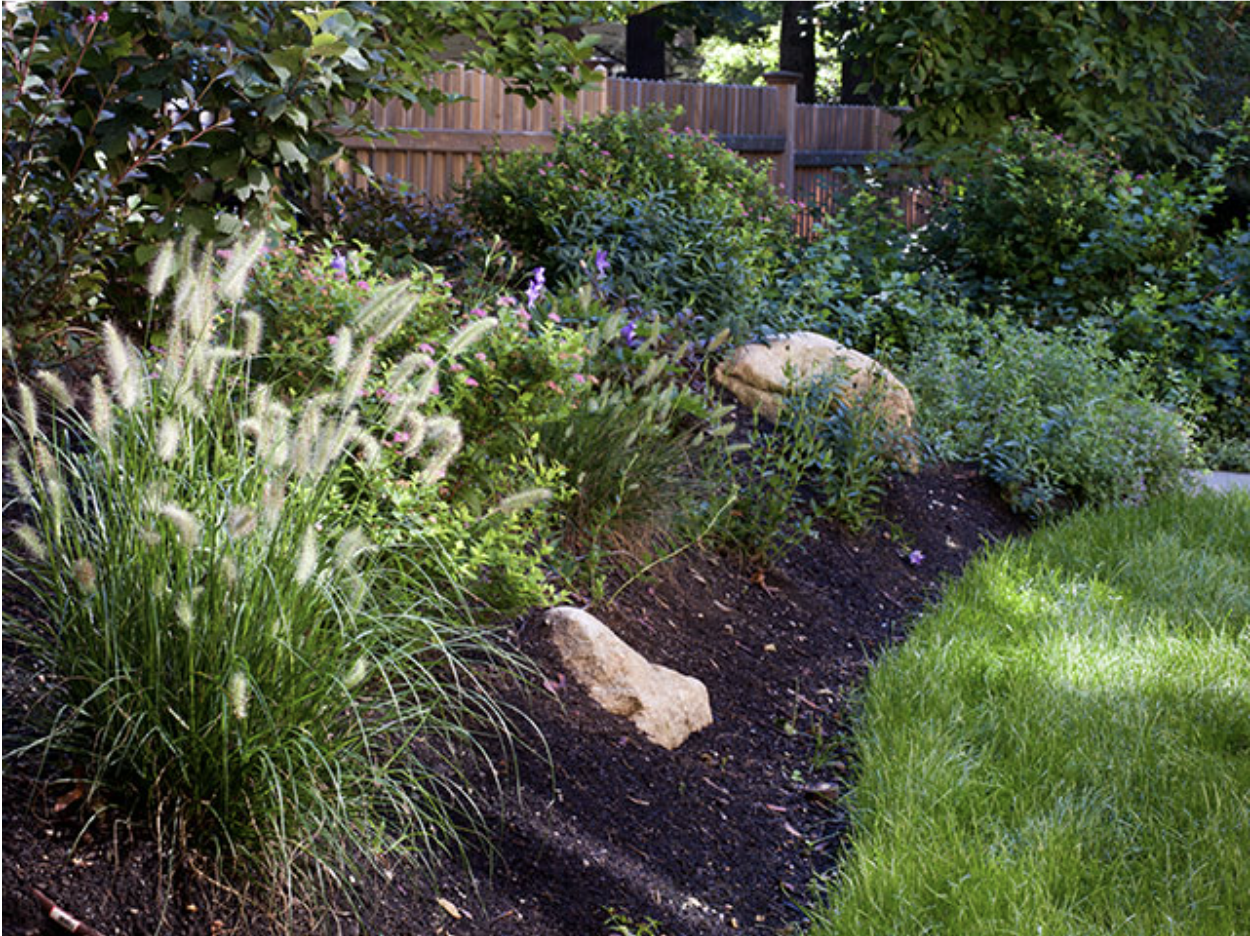
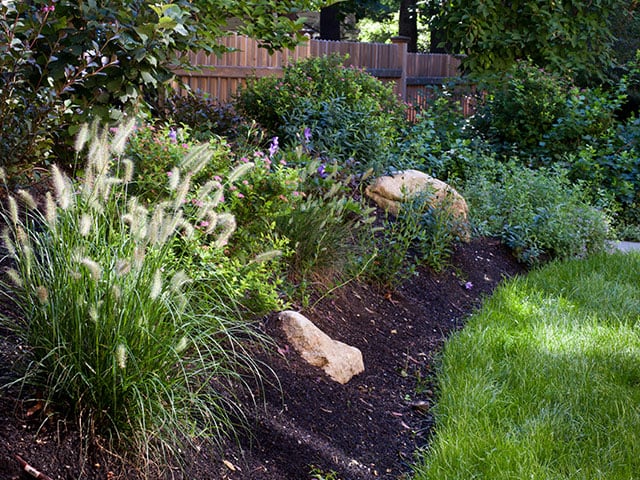
Ornamental grasses offer movement that feels especially welcome in cold weather. Their warm tones catch sunlight, and their seed heads add softness to stone walls or pathways. Many perennials also leave behind architectural seed structures that create delicate detail once frost settles on them.
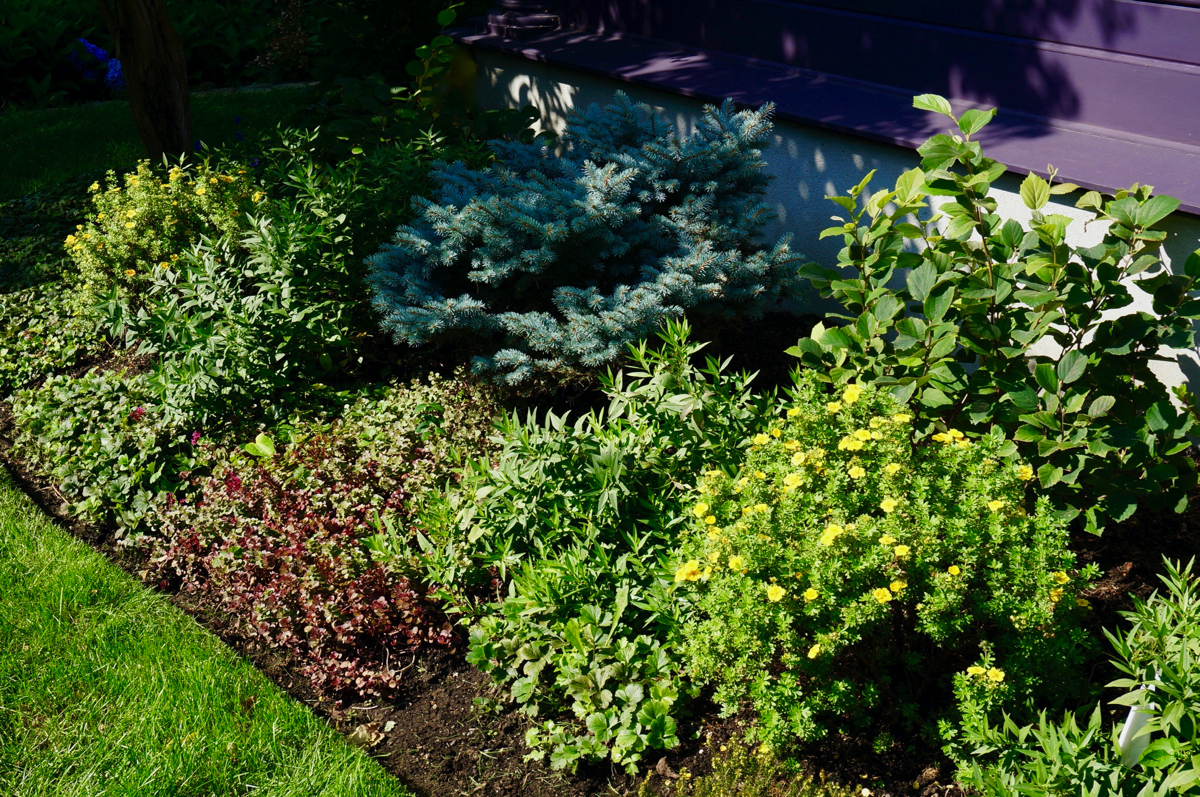
Evergreen ground covers fill the lower layers and help beds look complete, which supports a low-maintenance winter landscape. Even small natural elements like pine cones or dried flower clusters contribute texture in a quiet, understated way.
3. Incorporate Hardscape Elements That Support the Design
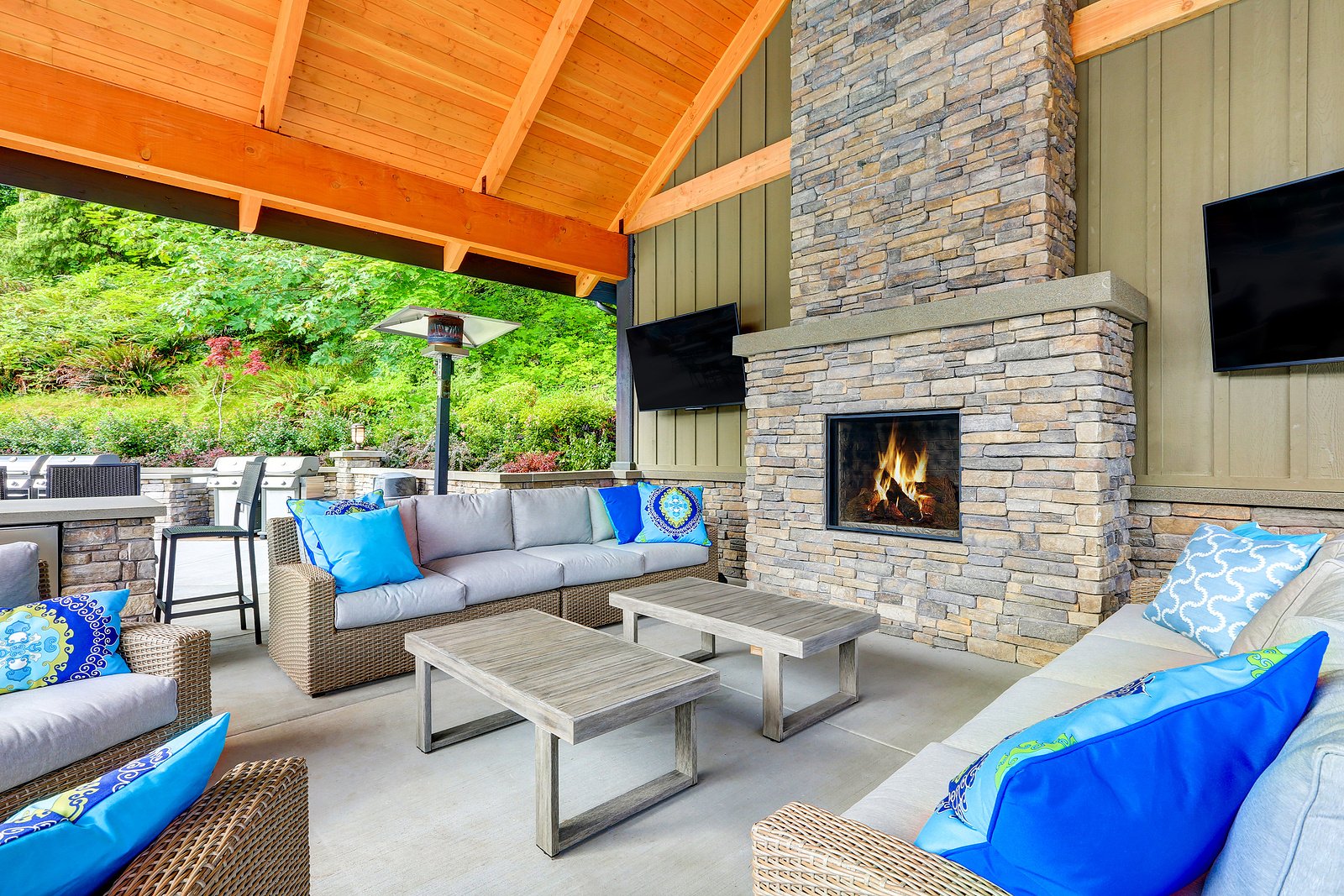
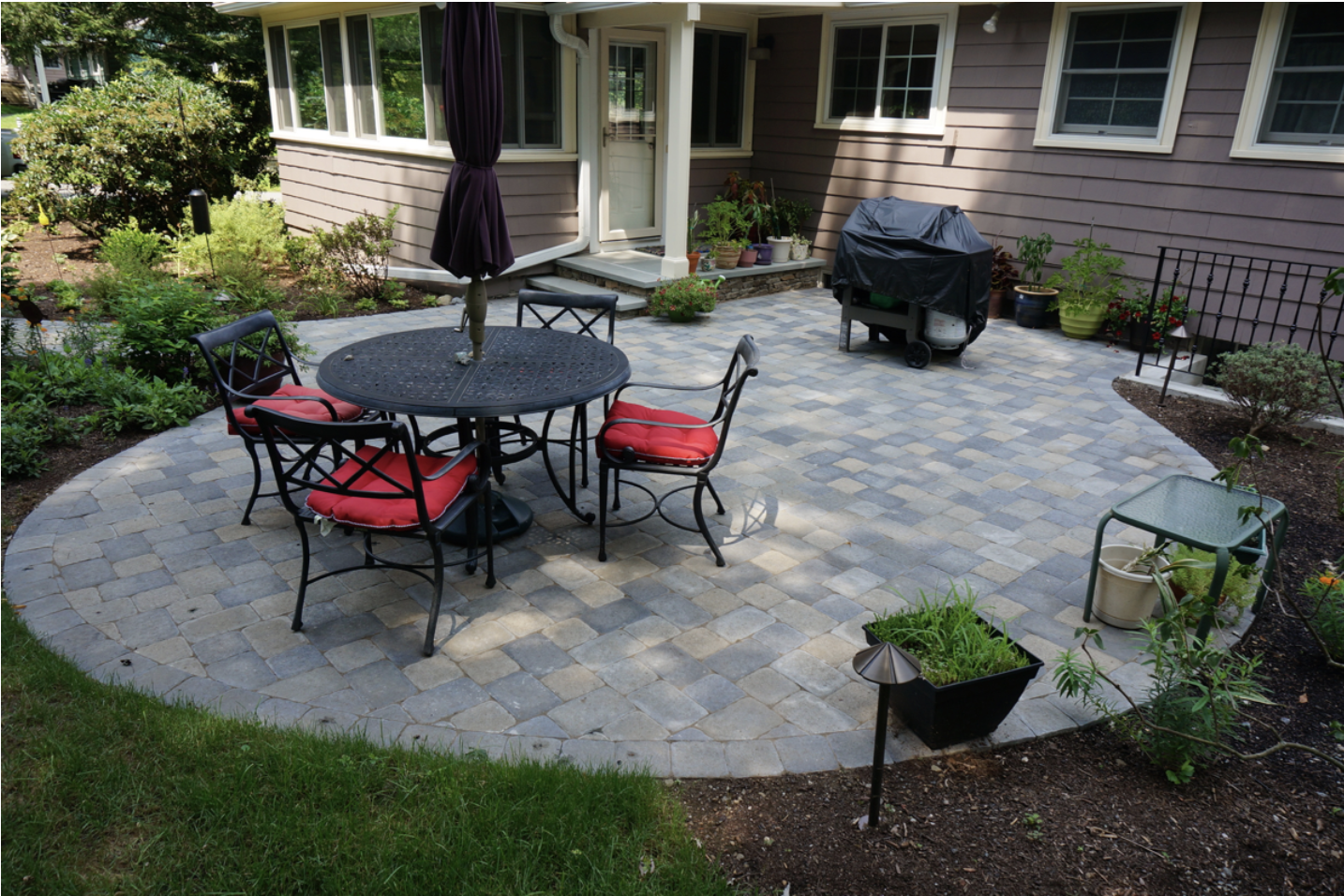
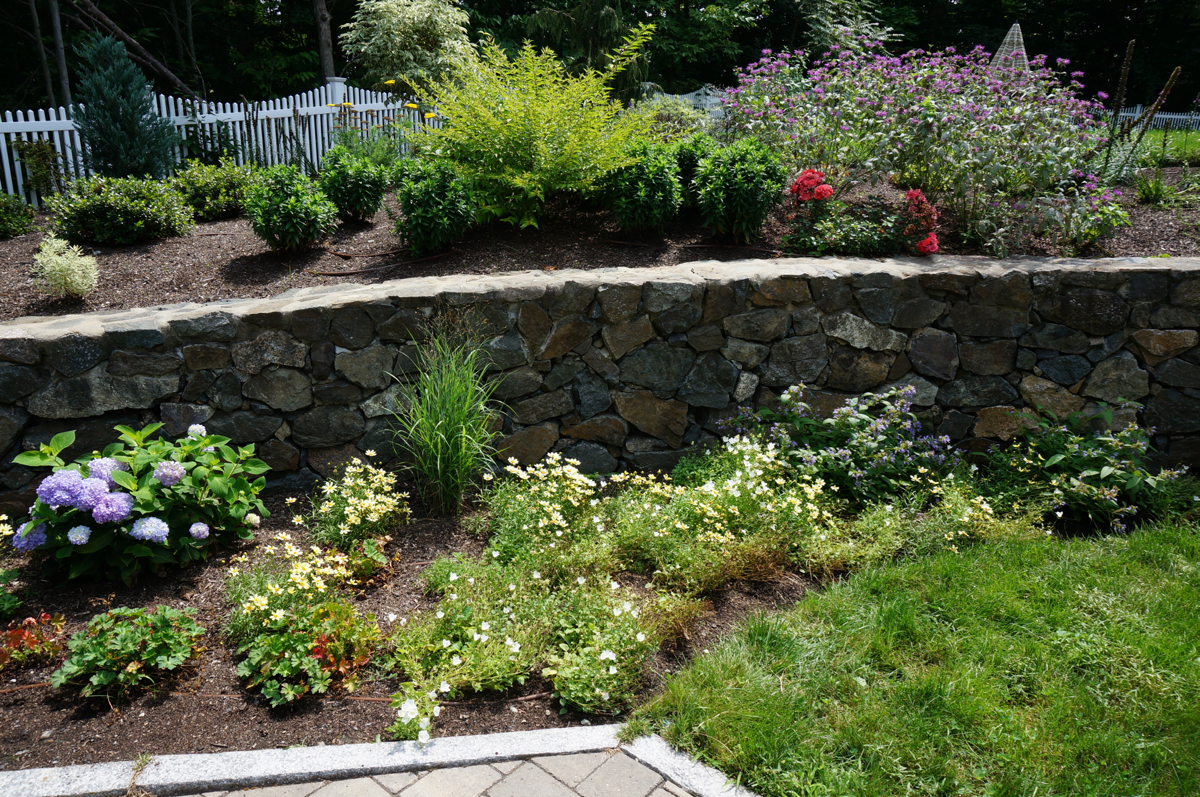
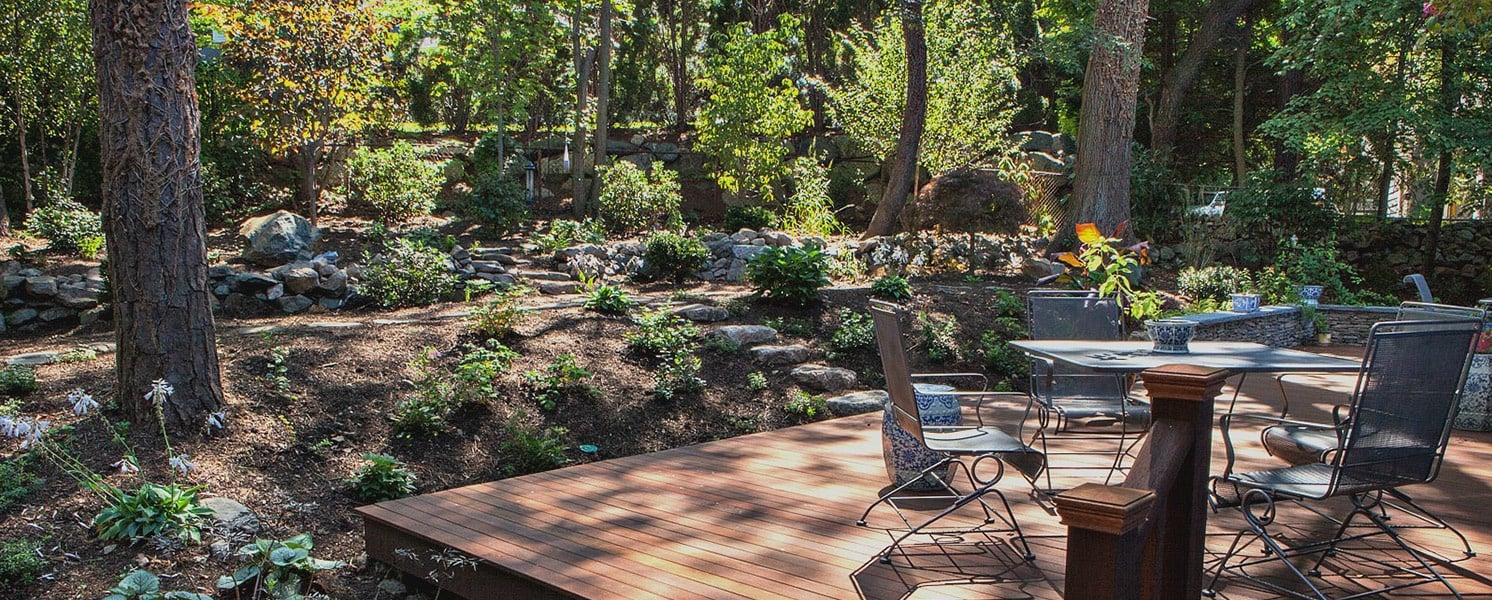
Hardscapes play a quiet but important role in winter. When plants retreat for the season, features like walkways, stone walls and patios help the garden feel grounded. Their shapes stay visible through the colder months and give the eye something steady to follow, which brings a sense of comfort to the outdoor space.
A well-placed fire pit becomes a natural gathering point and adds a warm focal point to the yard. Even simple seating areas take on more personality in winter when framed by evergreens or winterberries.

These elements help the garden feel inviting, not empty, and they make the space more enjoyable to look at from inside your home.
Walkways also become more meaningful this time of year. They create gentle movement through the landscape and help tie different areas together when foliage is sparse.
When combined with evergreen shrubs or thoughtful outdoor lighting, hardscapes become the steady backbone that carries the rest of the winter garden.
4. Use Lighting to Highlight Shape and Detail
Good lighting transforms a winter garden. With fewer daylight hours, lighting becomes an important design tool that reveals form, texture and contrast.
Uplighting aimed at evergreens, ornamental grasses or interesting branching patterns creates dramatic highlights and makes the garden feel alive even on quiet winter evenings. The combination of shadow and light adds depth that the summer garden often hides.
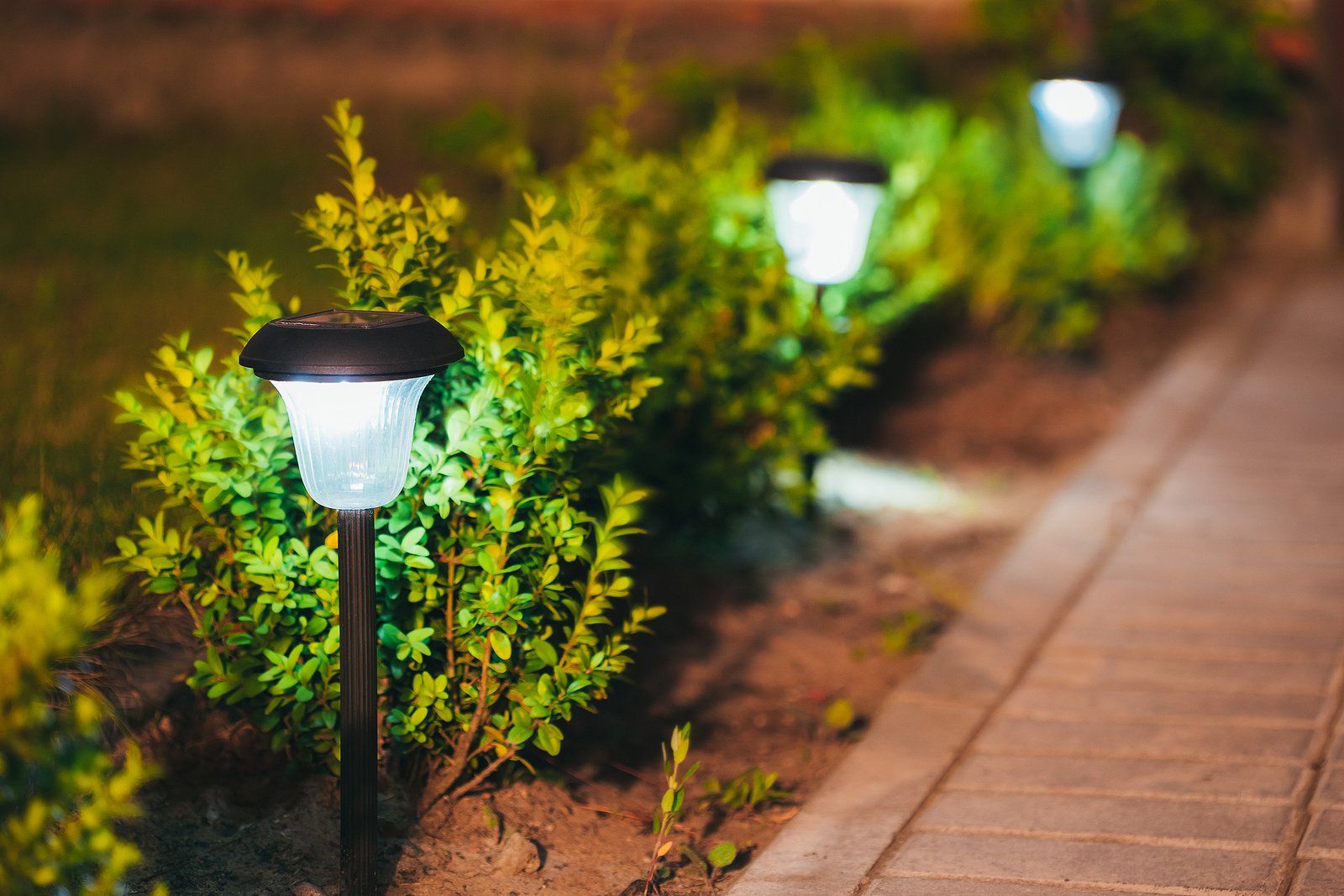
Lighting along walkways improves safety and gives the outdoor space a welcoming feel. It also brings attention to hardscape materials like stone or wood, which take on richer tones after dark.
A fire pit, lantern grouping or warm-toned fixture can create a sense of comfort that makes the garden inviting during the coldest weather.
5. Plan Your Landscape with All Seasons in Mind
A strong winter garden does not appear by chance. It develops from a year-round approach to garden design that considers structure, color and maintenance through every season.
Evergreens supply dependable form. Plants like winterberry and hellebores add seasonal brightness. Hardscapes support both beauty and function. Lighting enhances the view from indoors and encourages you to use the outdoor space even when temperatures drop.
With the right planning, your winter landscaping design contributes to a landscape that feels considered and complete. The result is a yard that remains engaging from the first frost to the first blooms of spring—and continues to improve year after year.
To learn more about designing a custom landscape for your home, download our free ebook, The Mindful Homeowner's Guide to Transformative Landscape Design. If you're ready to get started on your new landscape project, or simply want to learn more about the process, you can contact our team here to schedule a free consultation. We'd love to talk to you!