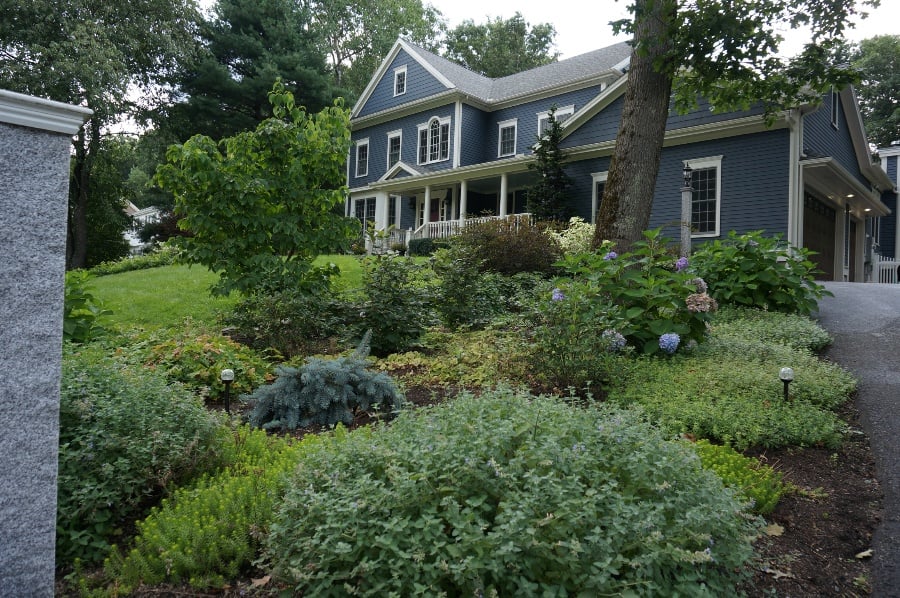
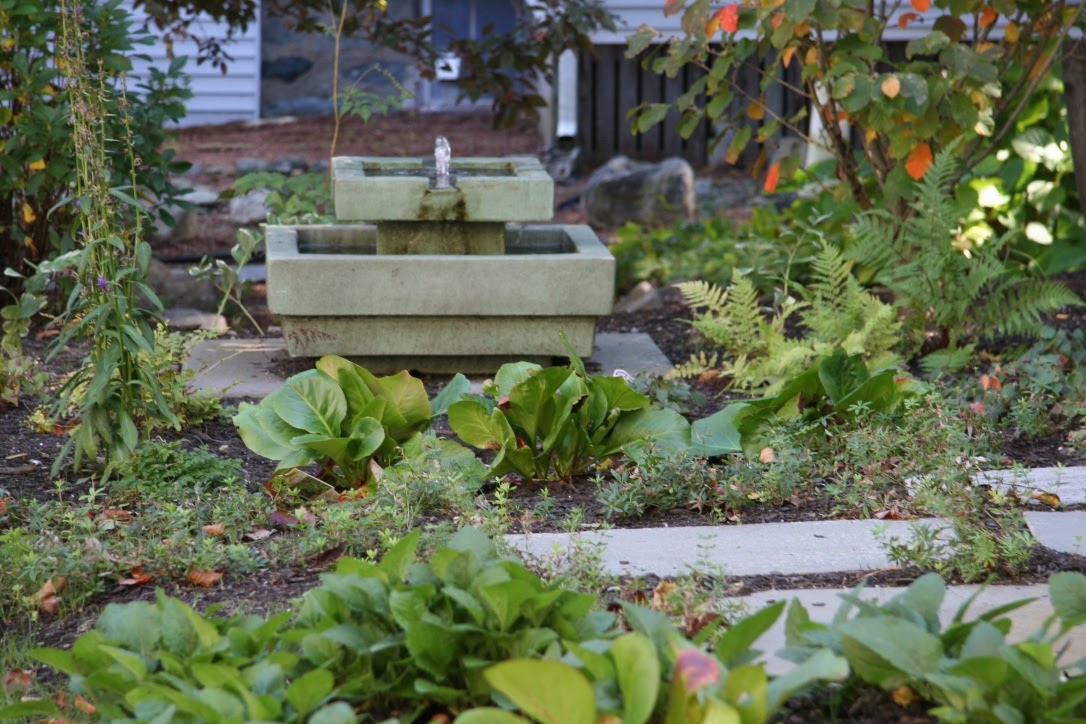
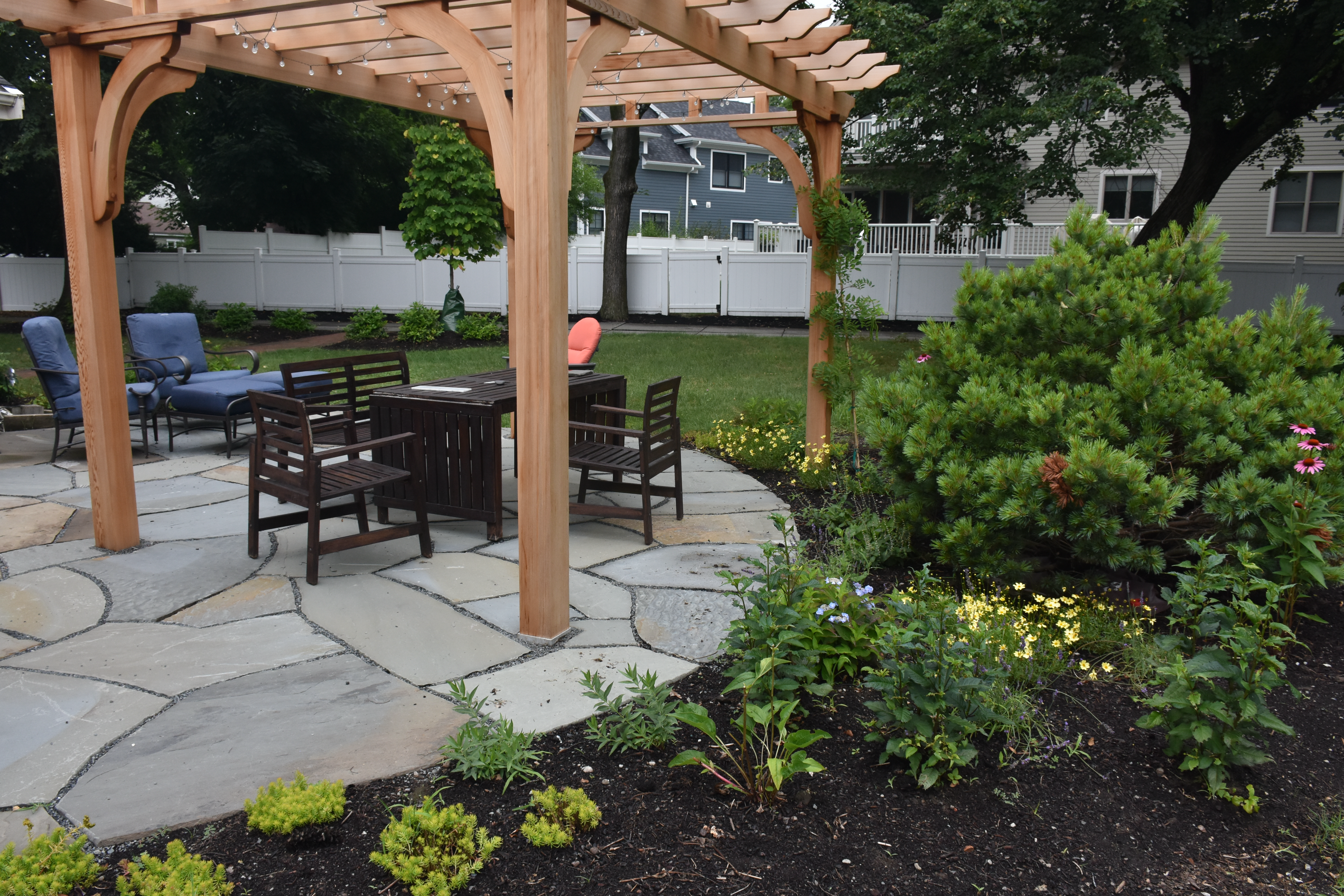
A beautiful landscape shouldn’t look its best only in its first few years. Too often, fast-growing plants or poorly chosen layouts lead to outdoor spaces that quickly feel dated or difficult to maintain. What starts as a showpiece can become a chore — the opposite of what a well-designed landscape should be.
A long-lasting landscape is one that feels as natural in twenty years as it does today. It’s built on intentional design, where every plant, path and patio is chosen to work together over time. The goal isn’t just to fill space, but to create an environment that adapts, matures and stays resilient through changing seasons and generations.
Whether you’re planning a new yard or rethinking an existing one, the key is to design with the future in mind. Thoughtful plant selection, durable materials and a clear sense of structure ensure your landscape doesn’t just survive, but thrives.
5 Ways to Build a Long-Lasting Landscape
Select Plants That Grow Stronger Over Time
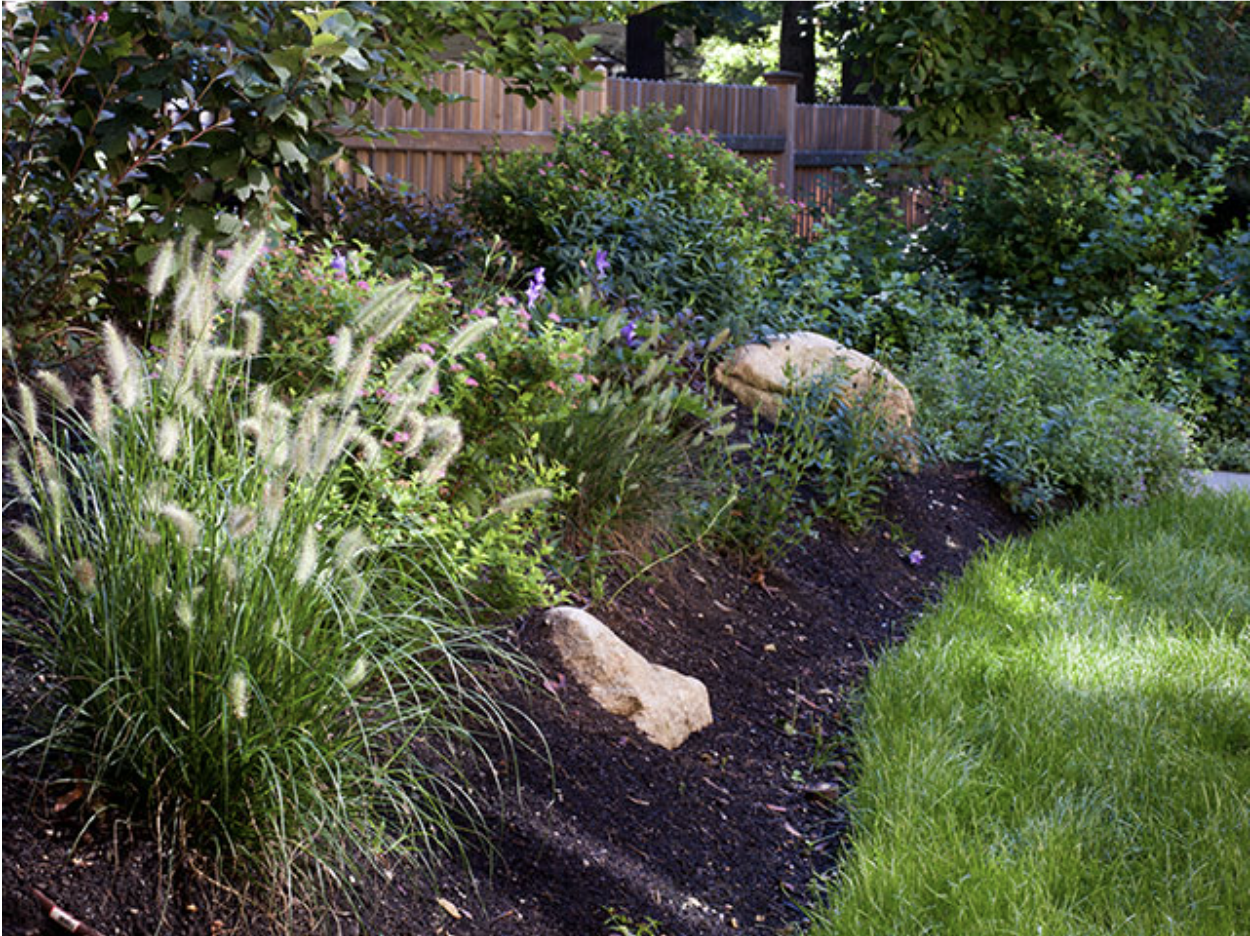
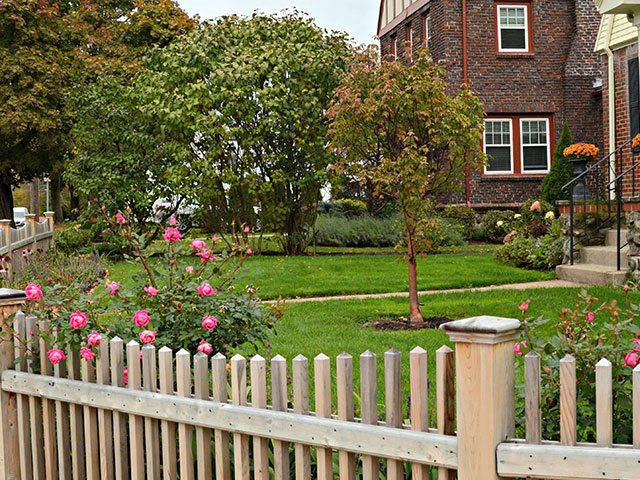
A lasting landscape starts with plants chosen for where they’ll truly succeed. Native plants and perennials form the foundation of this kind of design because they’re adapted to local conditions and require far less intervention to stay healthy.
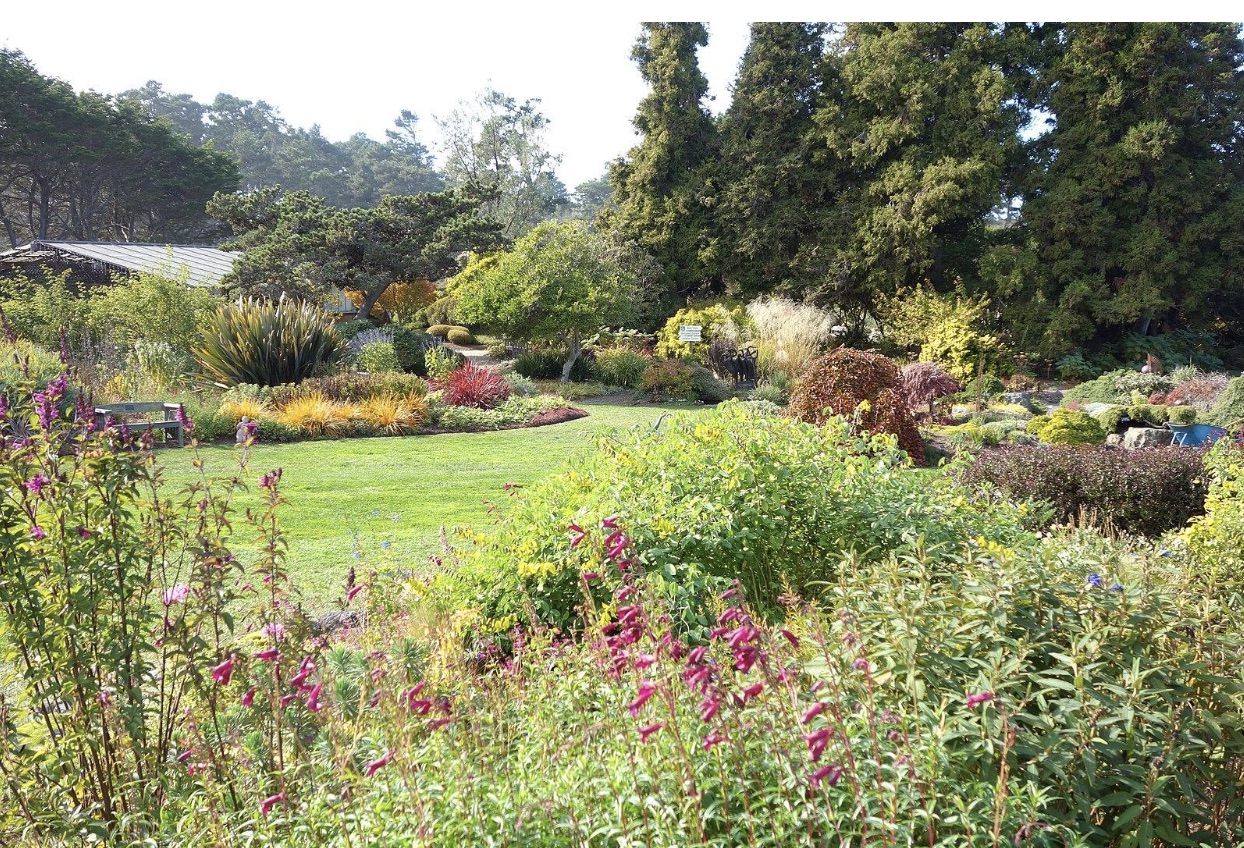
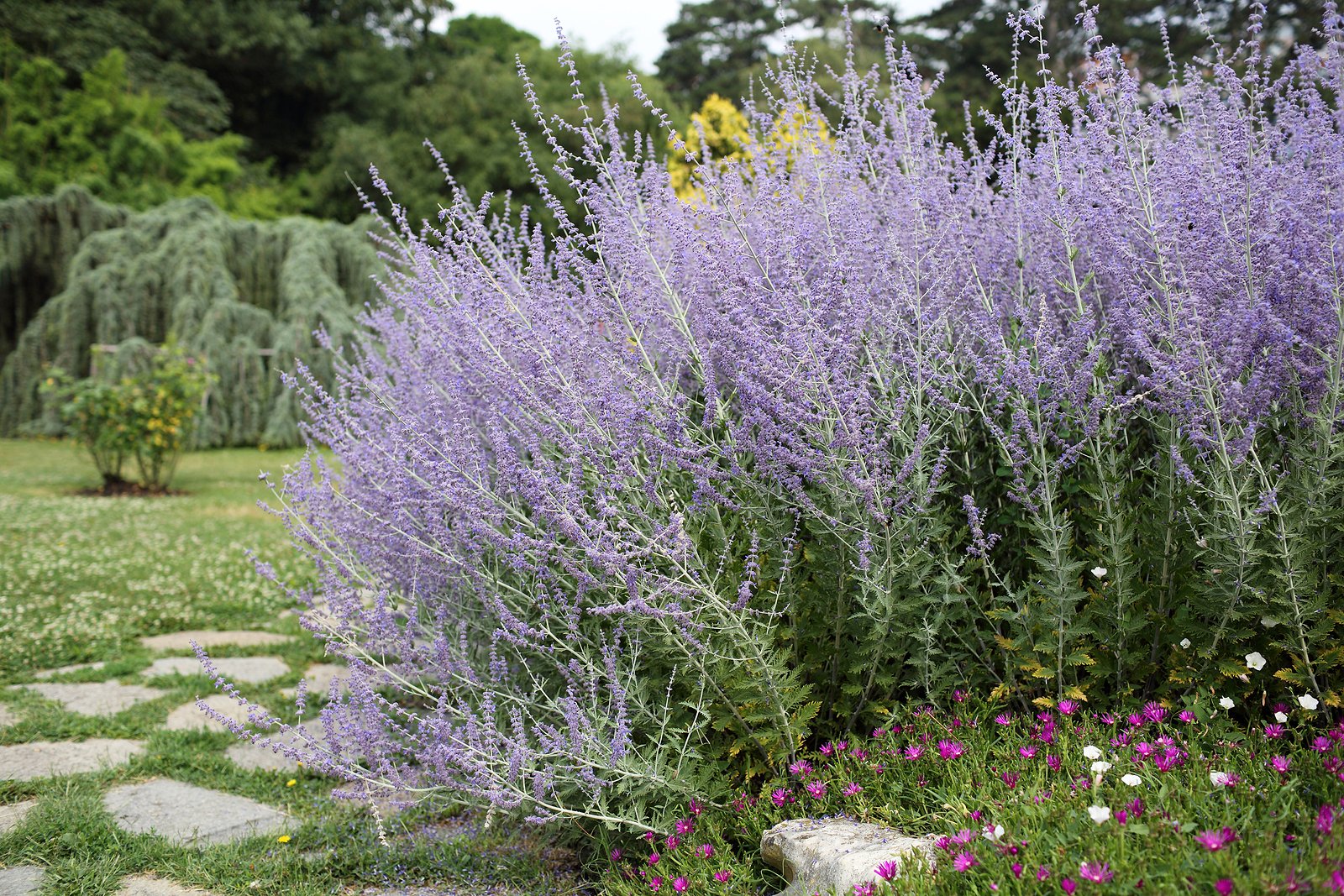
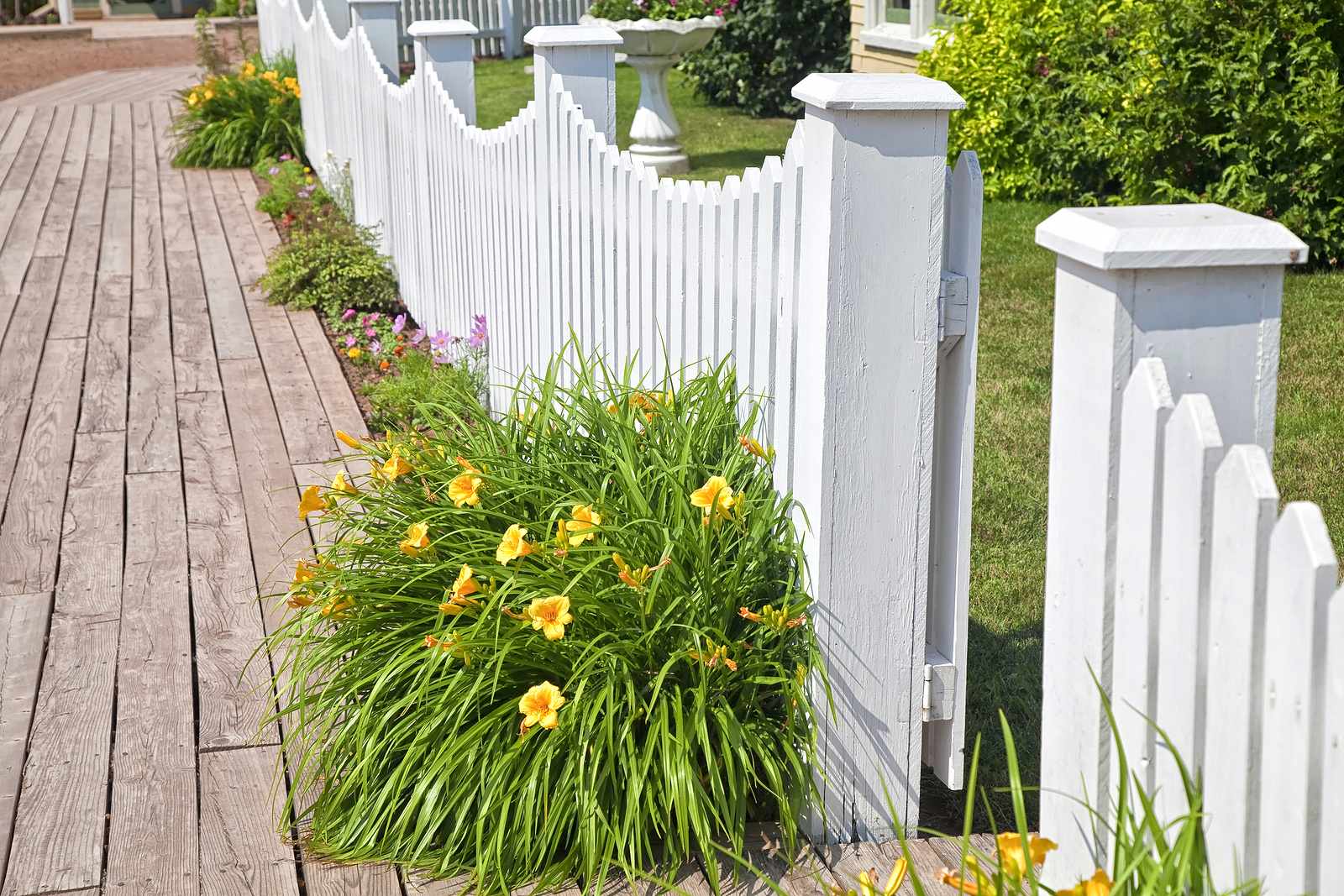
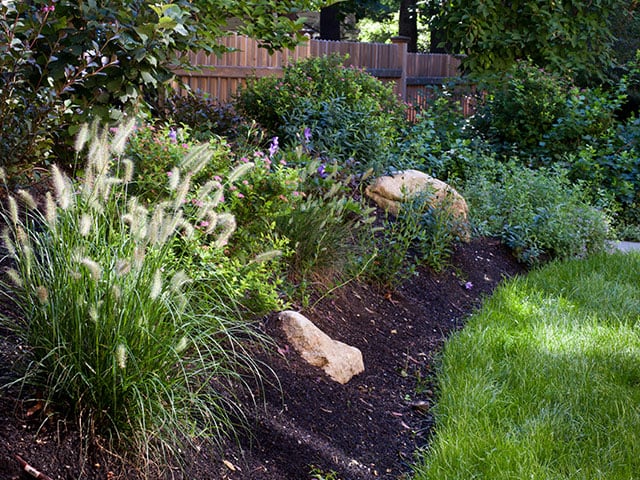
When selecting plants, consider three essentials: sun exposure, soil type and water needs. A sunny front yard might be perfect for black-eyed Susans, coneflowers or switchgrass. These are all low-maintenance, long-blooming plants that return stronger every year.
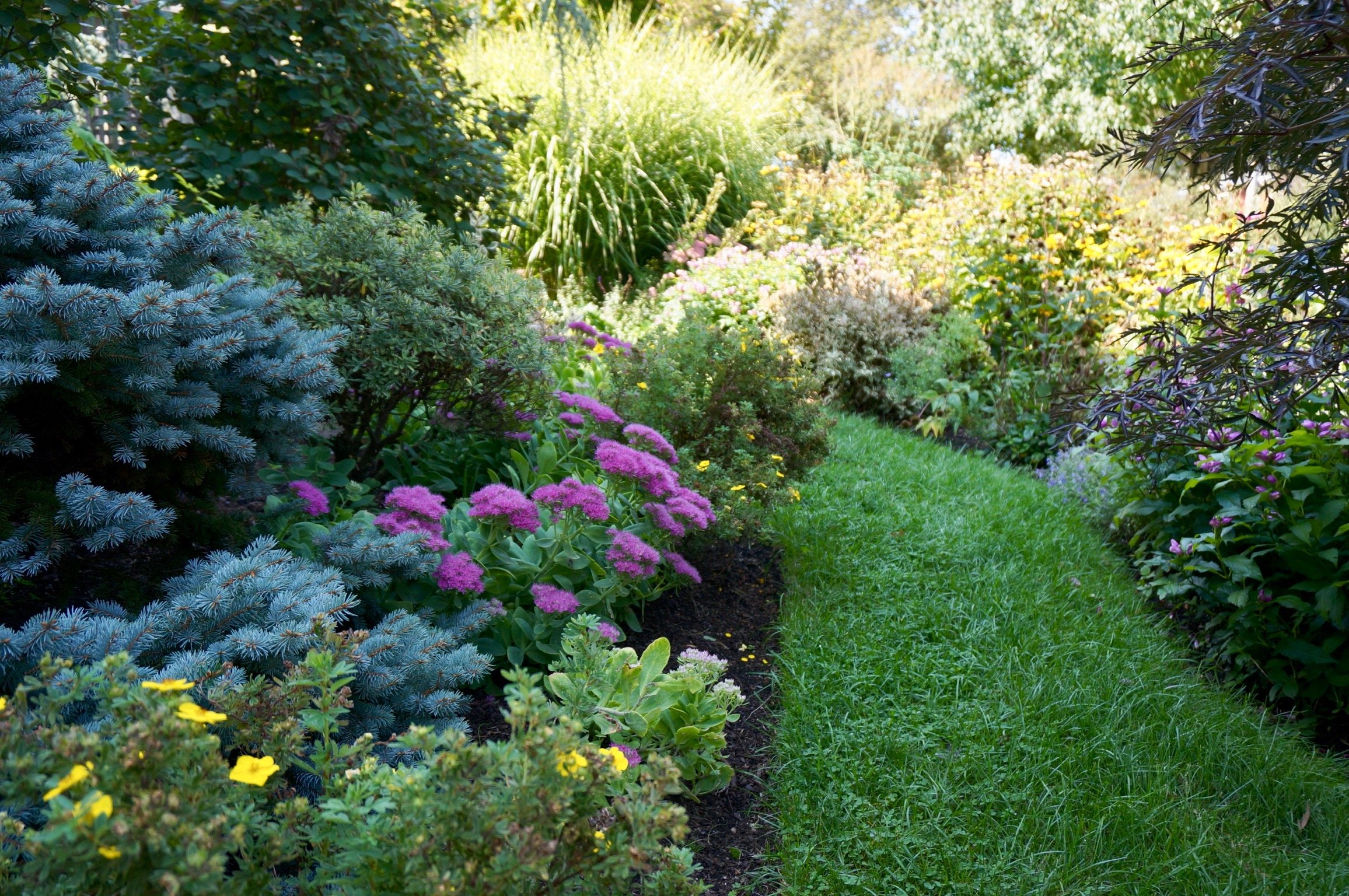
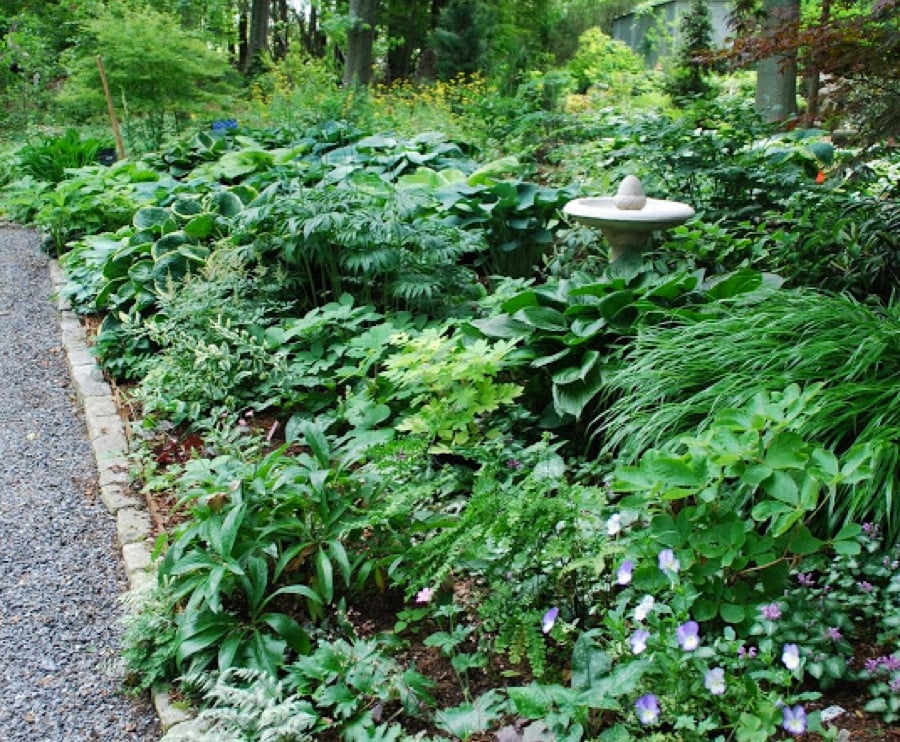
For shaded garden beds, ferns, hostas and foamflower create rich, layered textures that evolve beautifully as they mature.
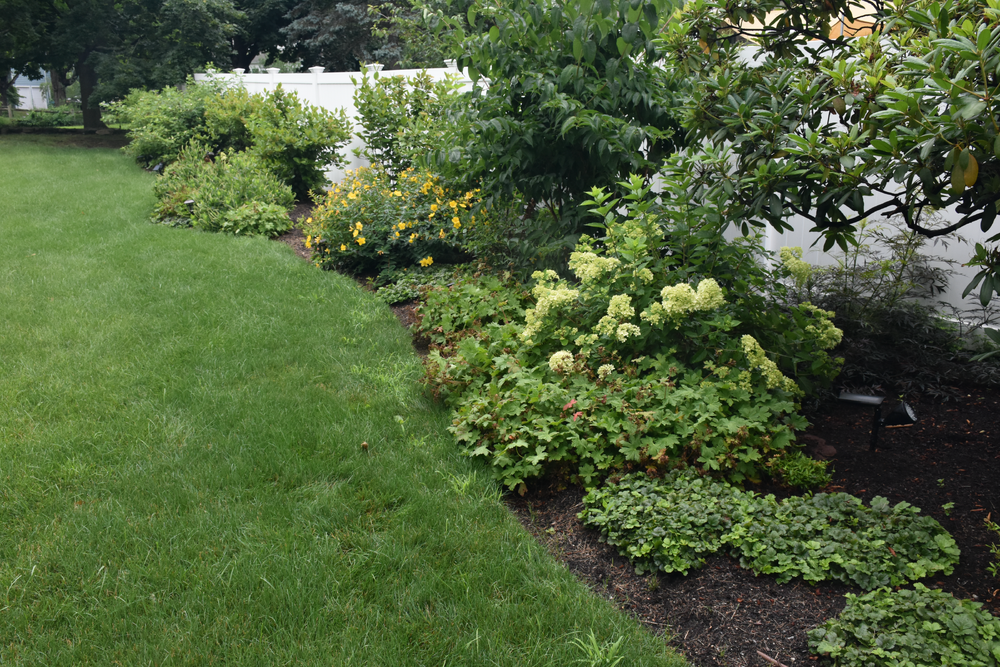
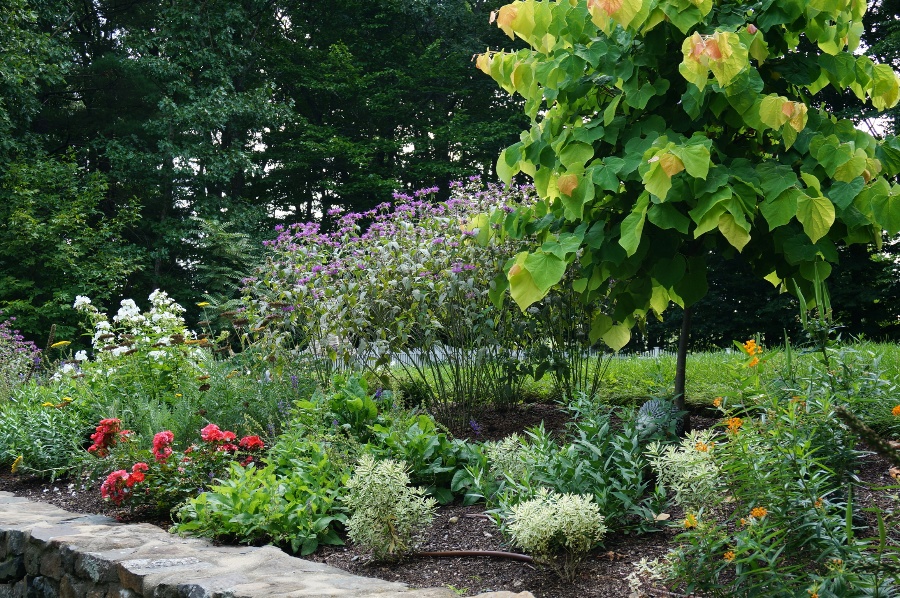
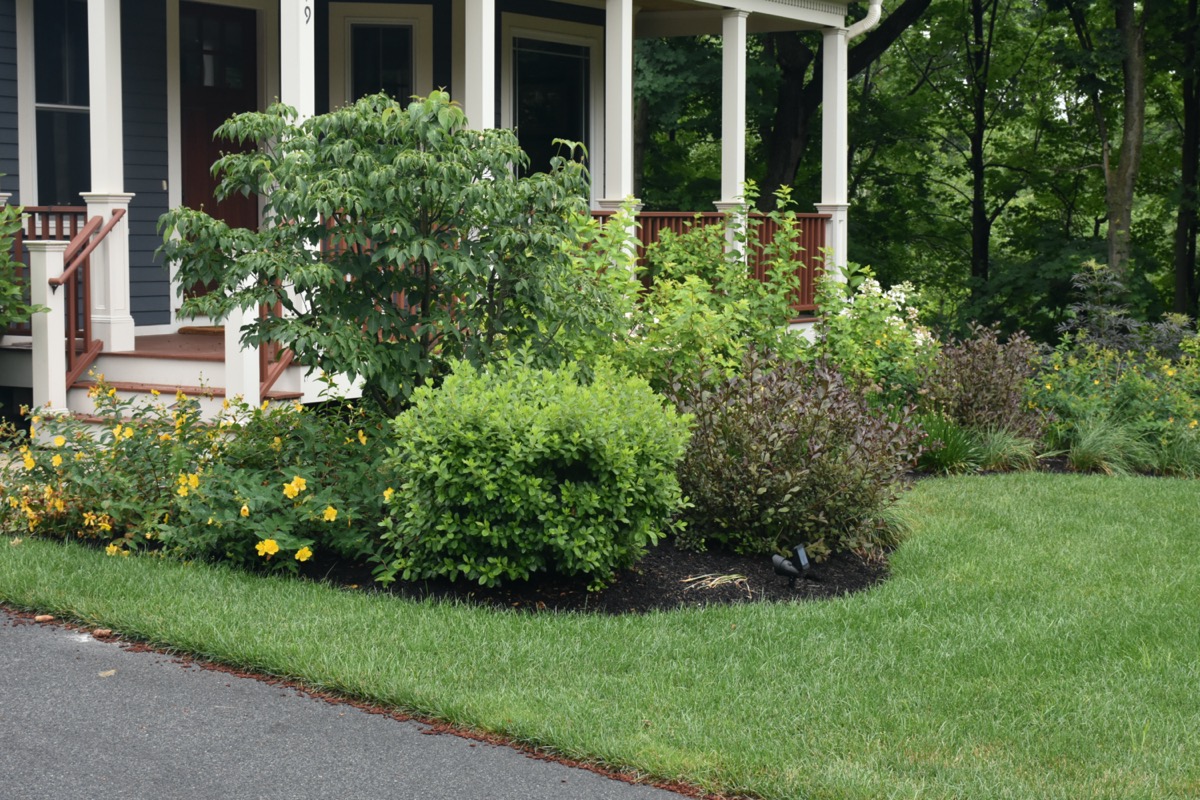
Design intentionally by grouping plants with similar needs together. This “right plant, right place” approach reduces stress on your landscape and simplifies care. Over time, your perennials and native species will knit together naturally, creating a resilient ecosystem that looks lush without demanding constant attention.
Use Ground Covers for Structure and Weed Control
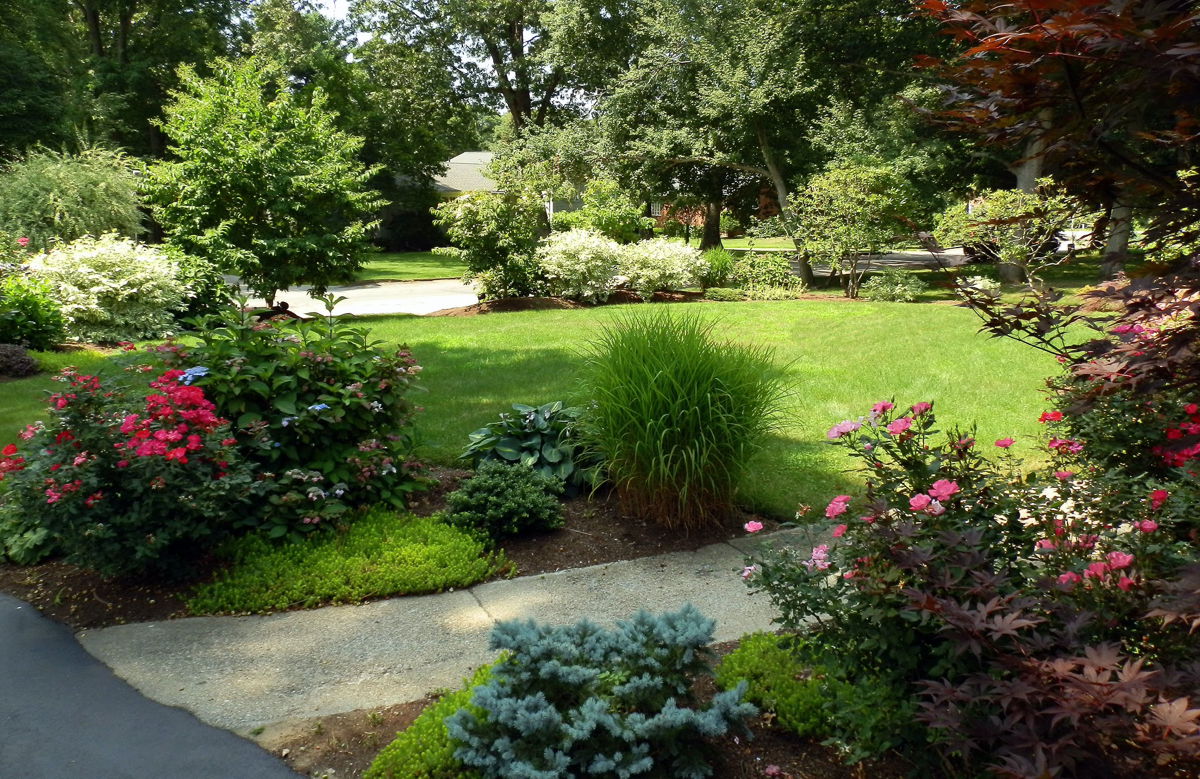
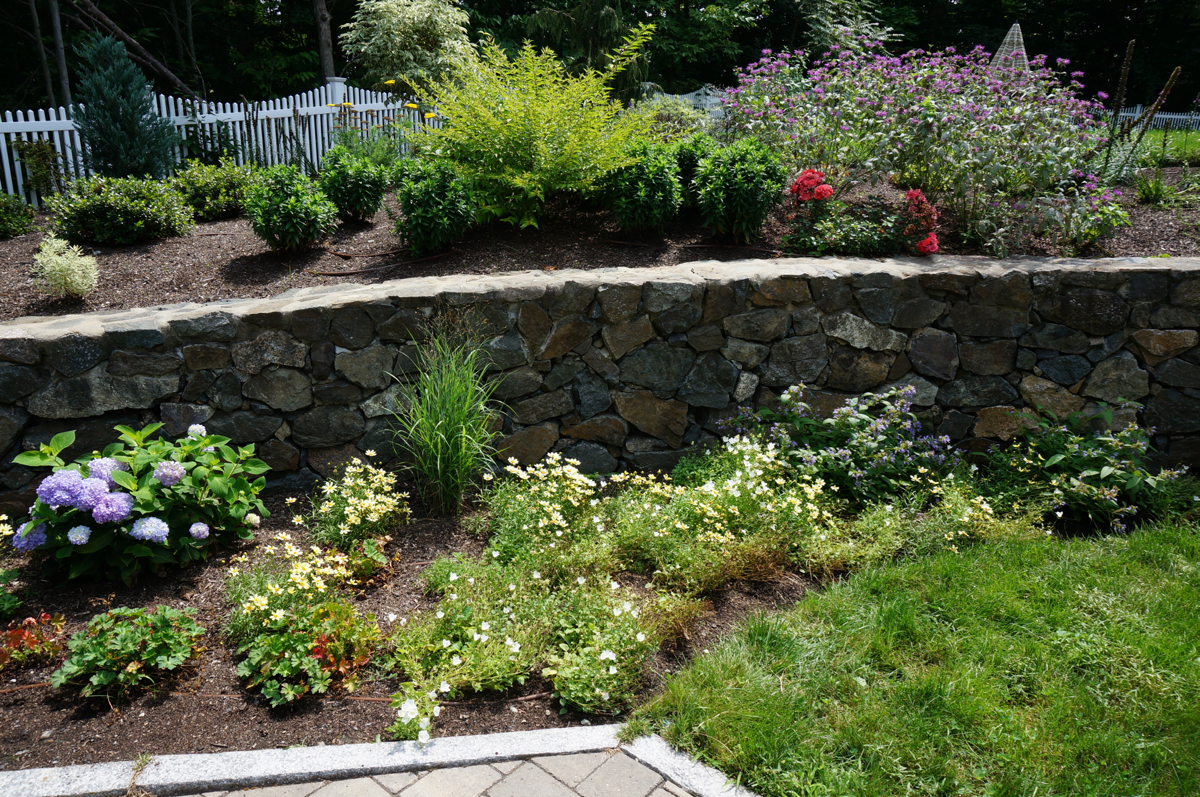
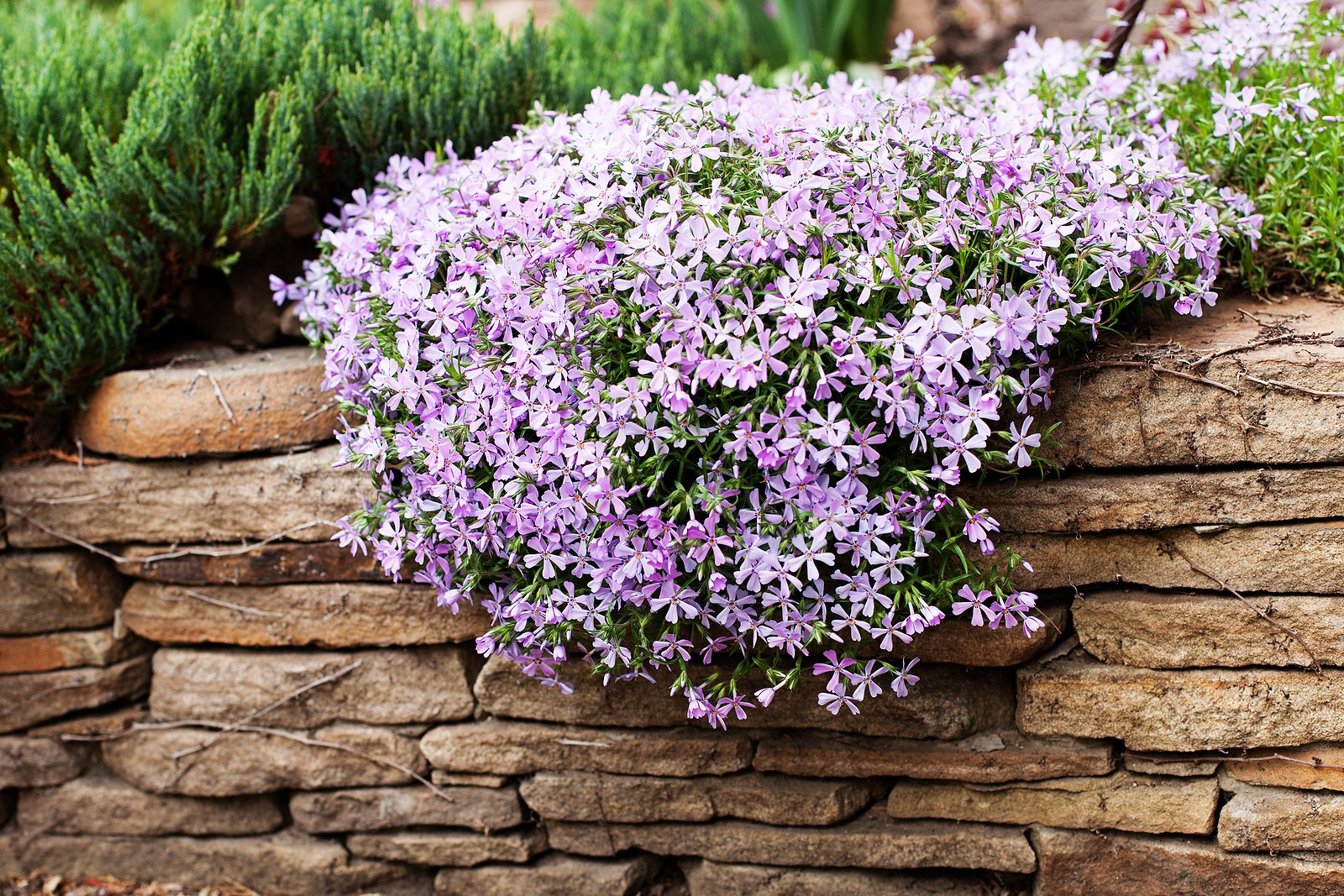
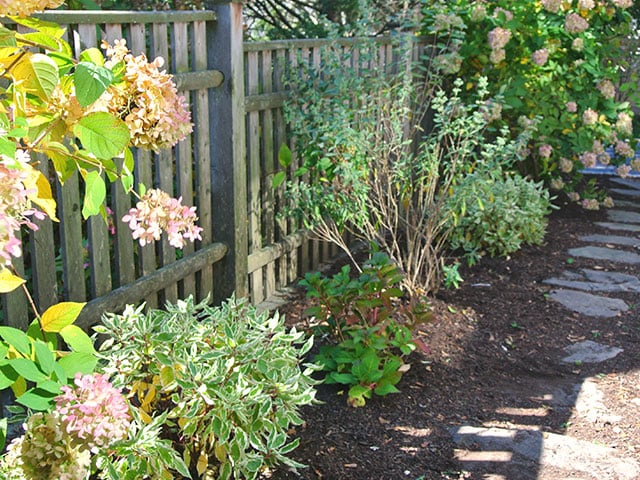
The spaces between plants matter just as much as the plants themselves. A thoughtful design includes ground cover that provides structure, retains moisture and limits weeds. When used intentionally, ground cover becomes both practical and beautiful — softening transitions between garden beds, walkways and high-traffic areas.
Durable varieties like creeping thyme, sedum or clover thrive in challenging spots where grass may thin or fail.
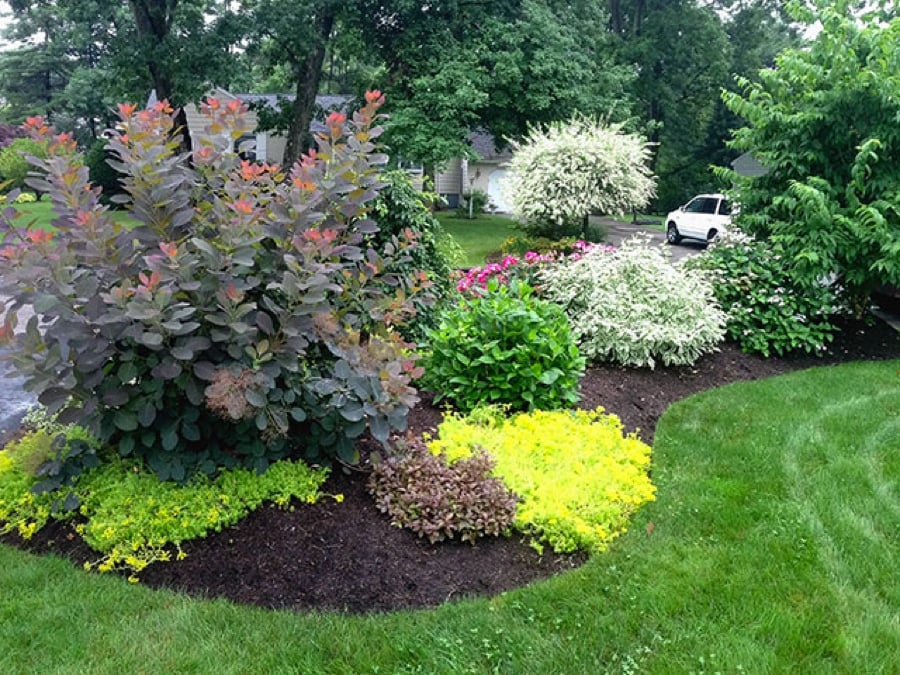
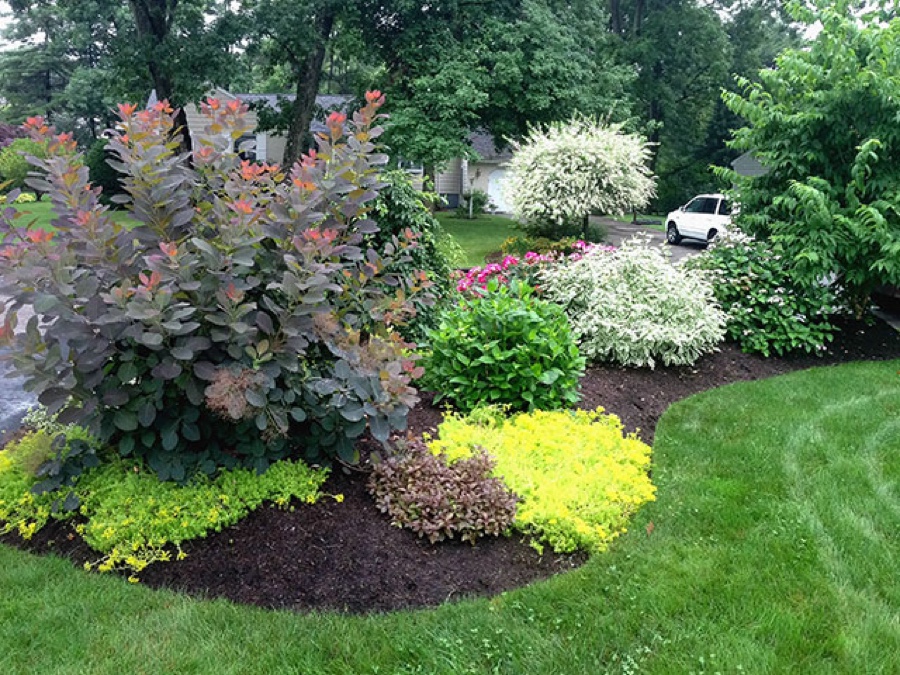
In addition to filling gaps, they can improve your weed control and add additional texture. A layer of mulch enhances these benefits by regulating soil temperature, conserving moisture and promoting long-term soil health.
Good ground cover design also helps connect different parts of the landscape visually, tying your outdoor space together into one cohesive whole.
Incorporate Hardscape Elements Into the Design
A long-lasting landscape balances living and built elements. Plants provide movement and color, but the hardscape gives your yard shape, flow and a sense of permanence.
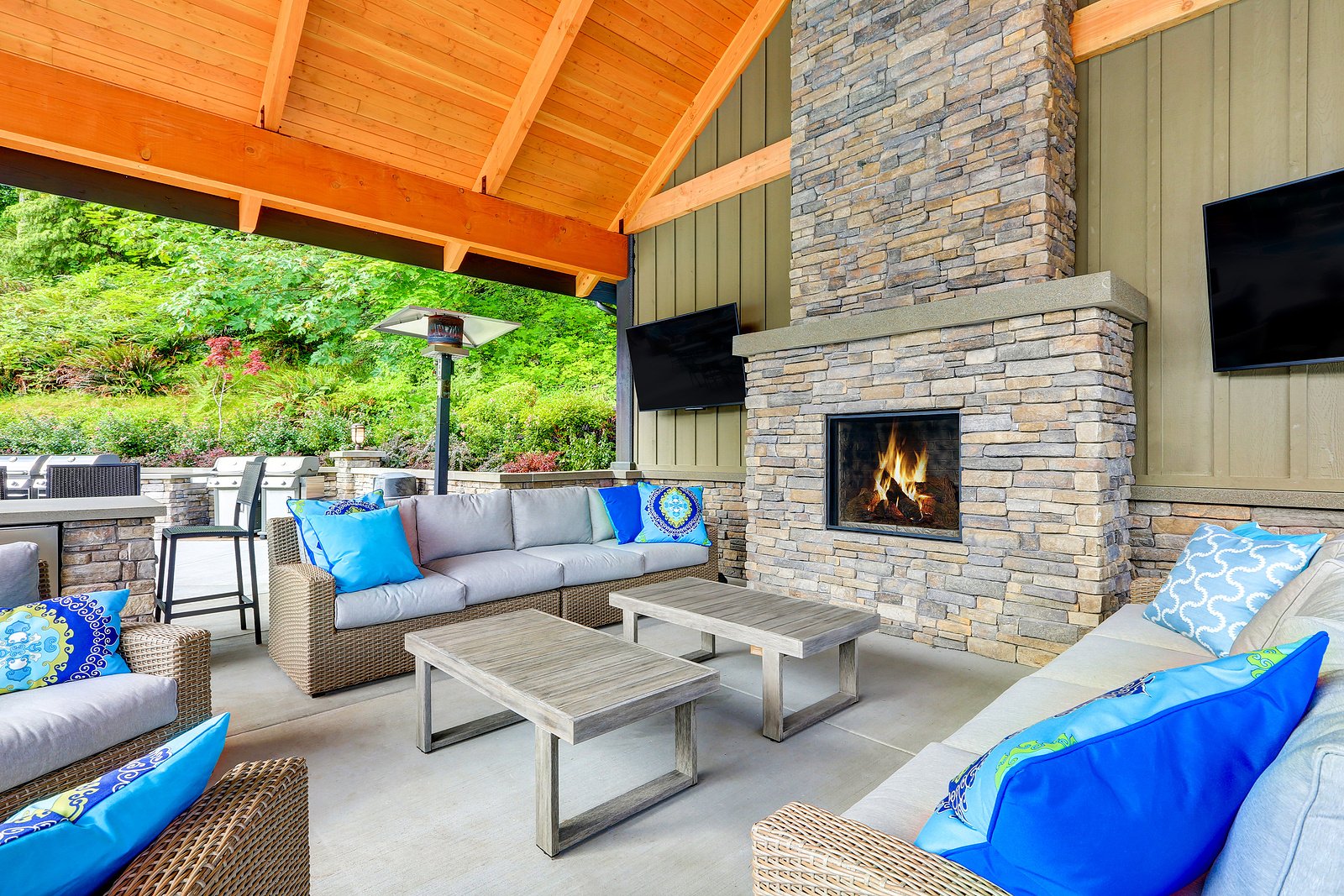
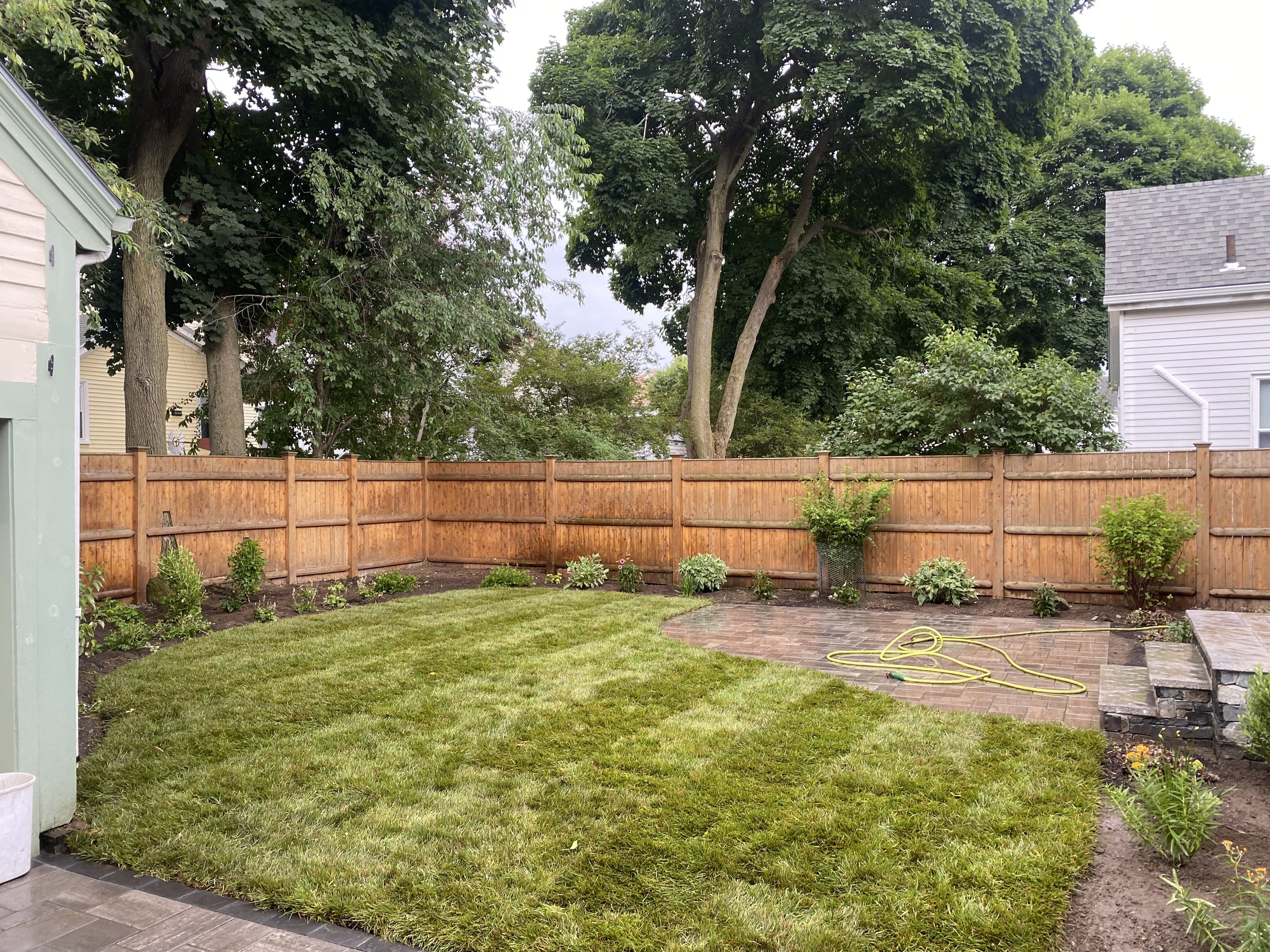
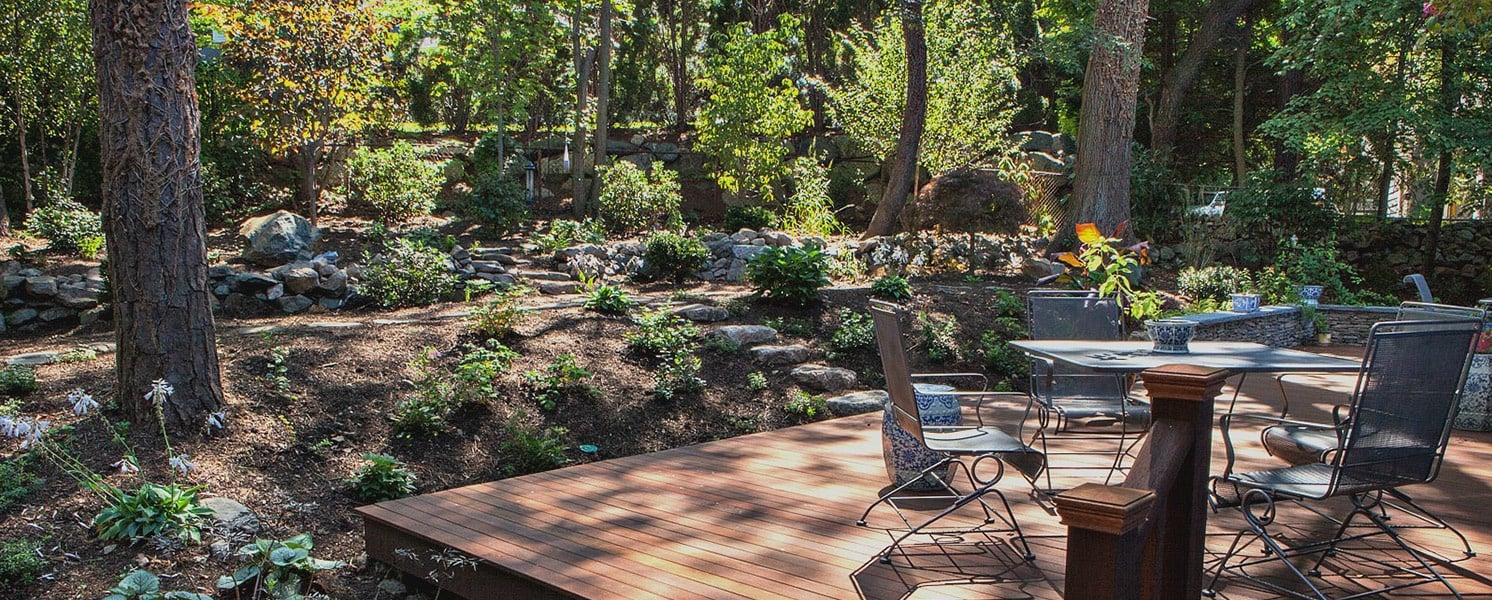
Thoughtfully incorporating patios, walkways and walls into your home’s landscape does more than add structure. They help you use your outdoor space in new ways and connect different areas into one cohesive design.
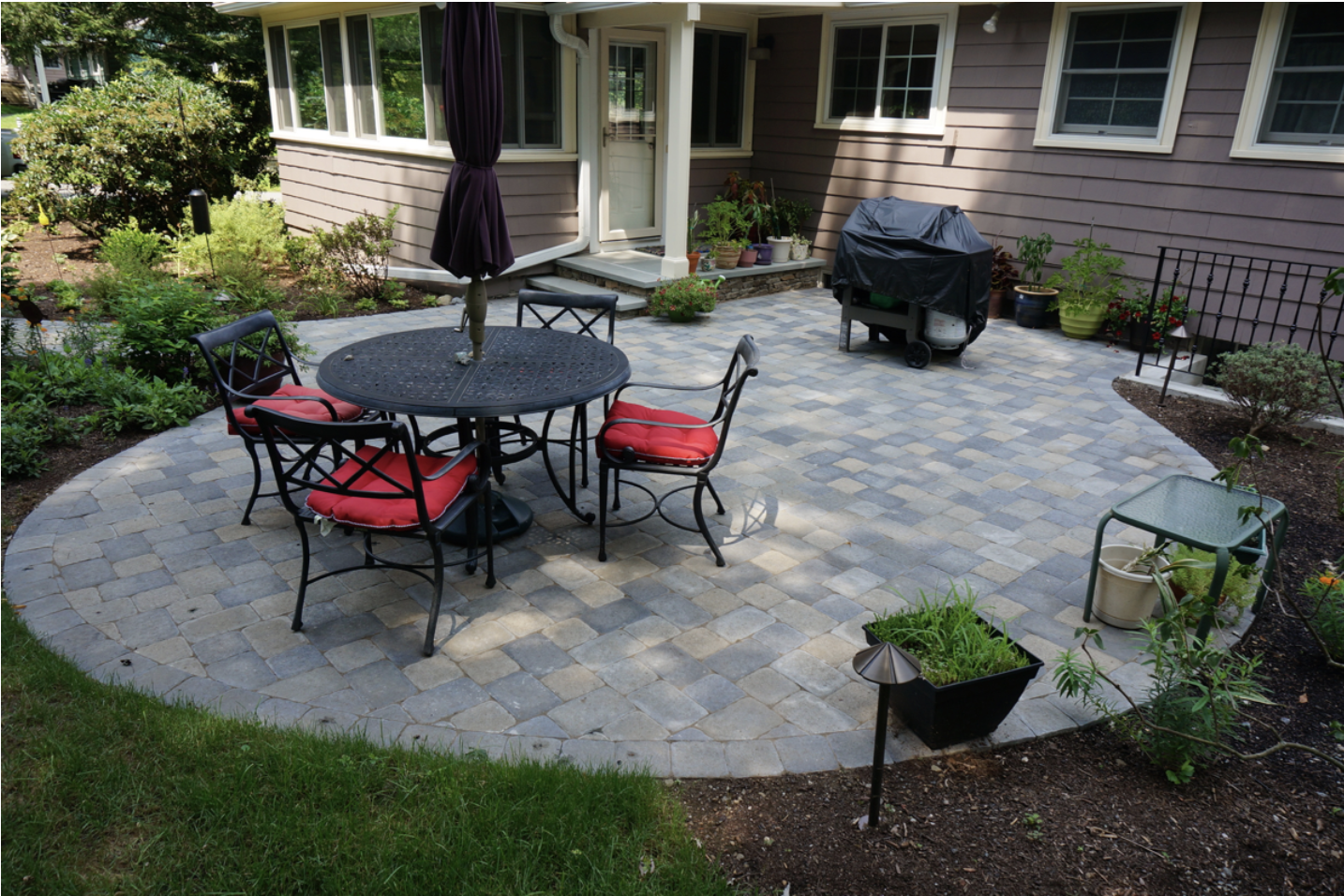
Start by thinking about function. A well-placed patio near the home creates a natural gathering spot. Walkways lined with ground cover can guide movement through garden beds or lead to quieter corners of the yard. Retaining walls or stone borders can frame planting areas, giving the design a polished, intentional look.
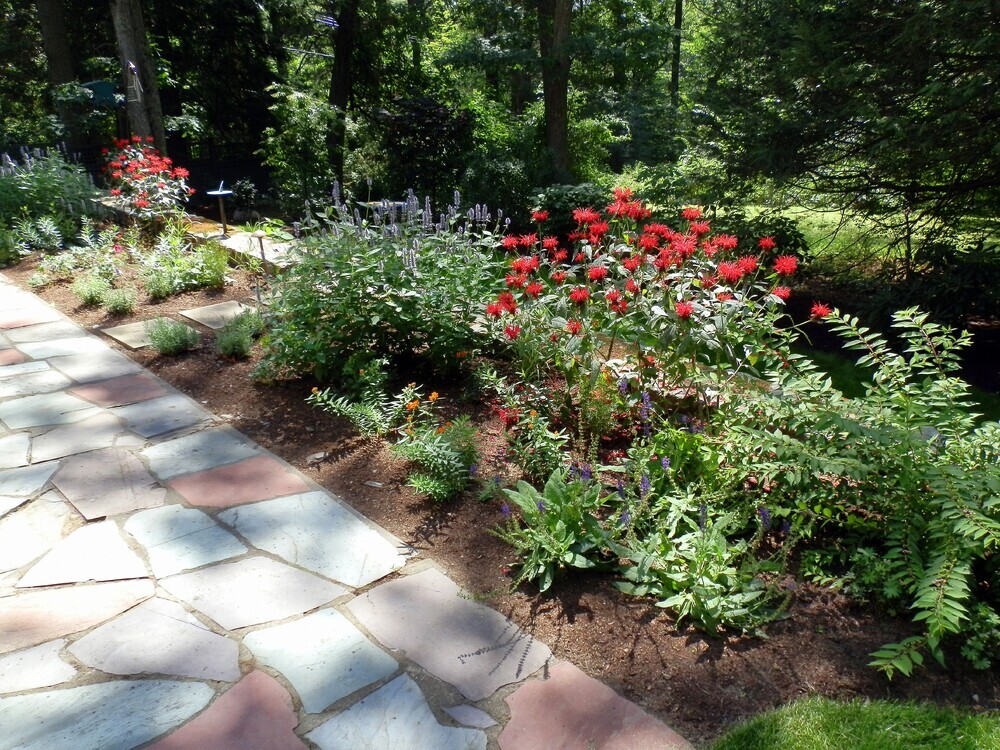
Once the layout is planned, select materials that complement the surroundings and age gracefully over time.
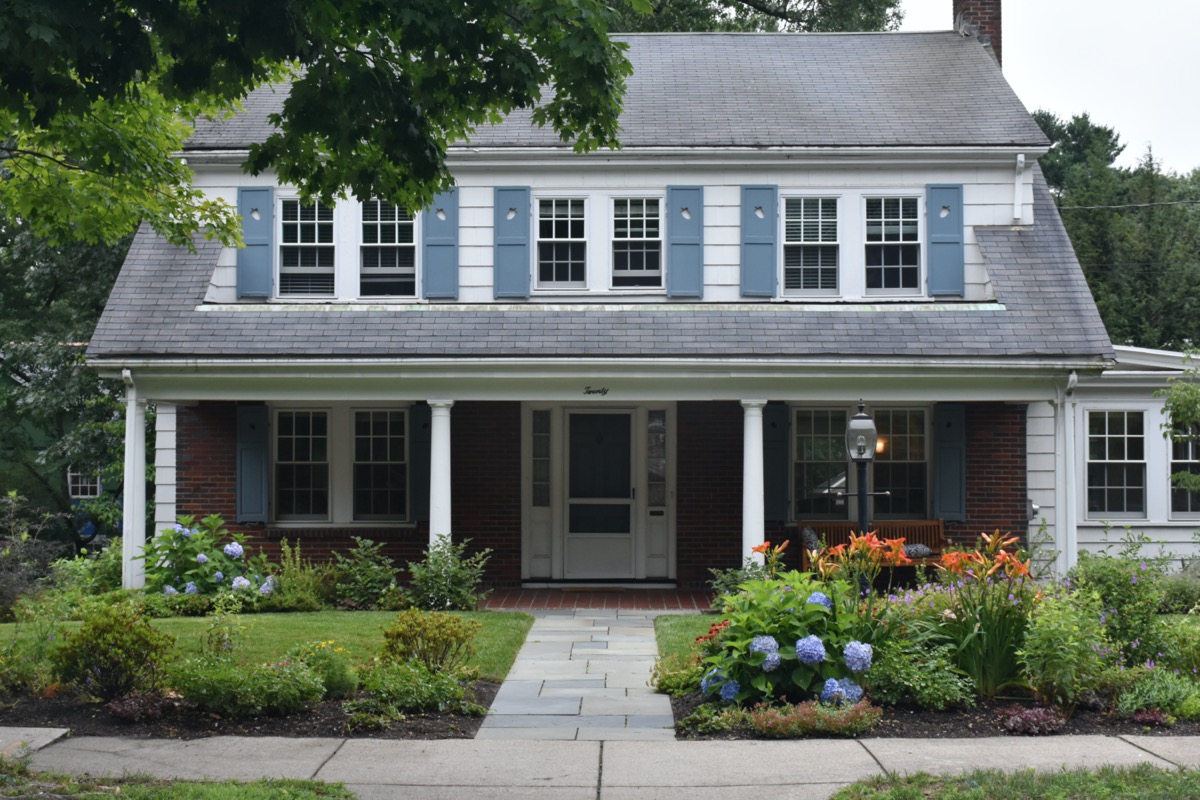
Natural stone, brick and concrete pavers blend seamlessly into plantings and maintain durability through New England’s changing seasons. Using the same type of stone in multiple areas — such as a front entry path and backyard sitting area — helps unify the entire landscape.
When a hardscape feels integrated rather than added on, it becomes part of the landscape’s story, evolving alongside the plants and growing more inviting with every year.
Plan for Year-Round Color and Structure
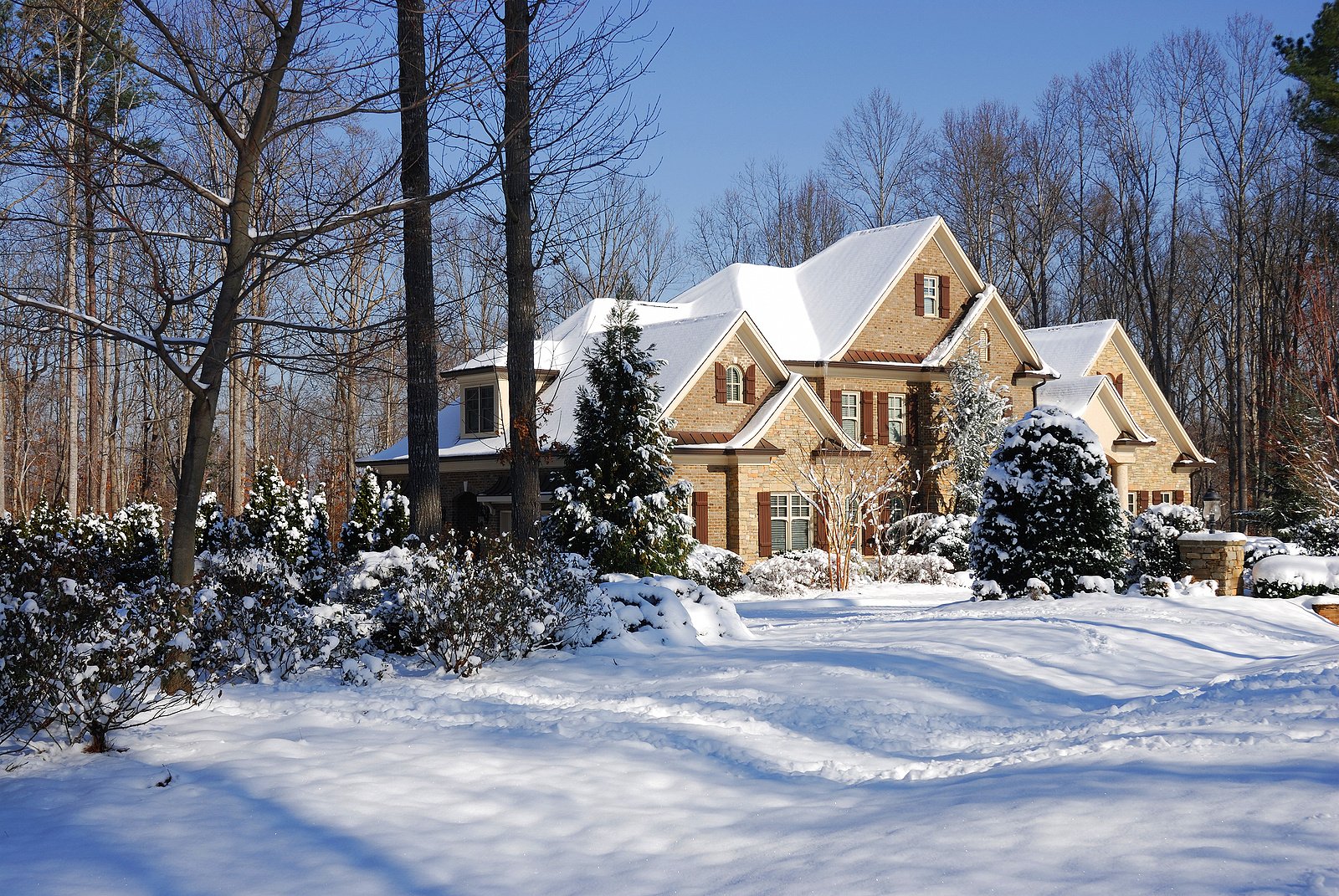
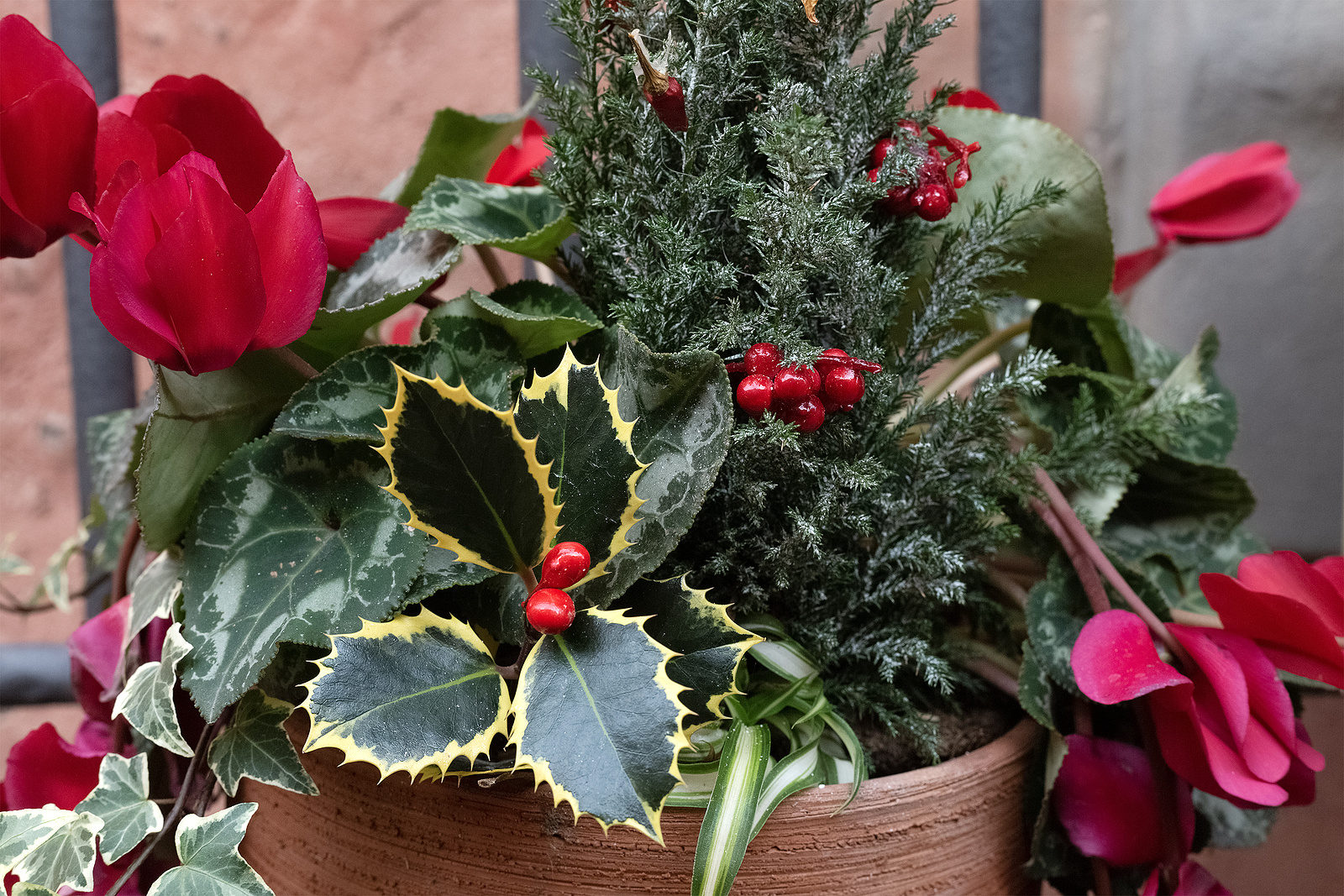
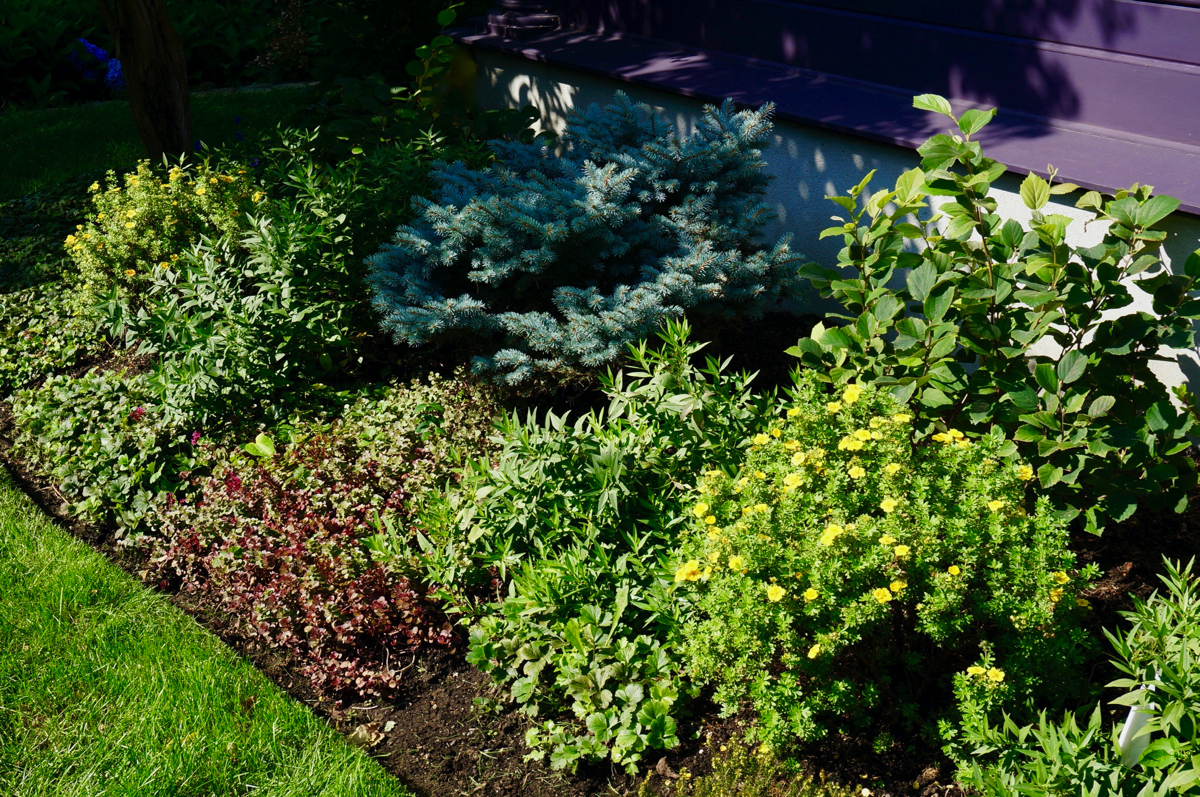
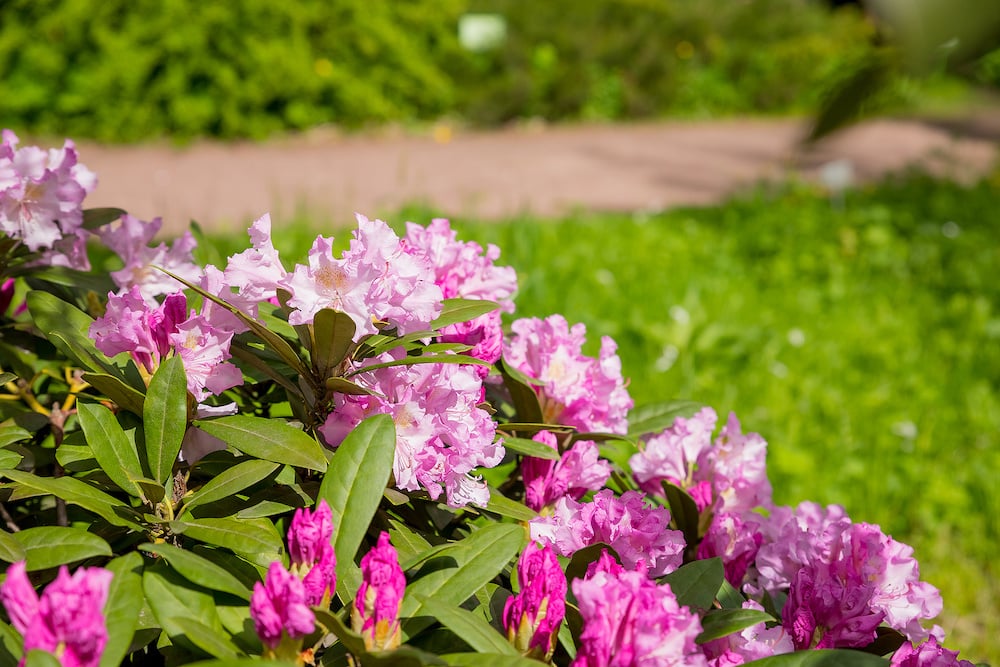
Even the best-designed landscape can look empty without year-round interest. A balanced plan includes layers of evergreens, flowering shrubs and drought-tolerant plants that keep the yard visually active in every season.
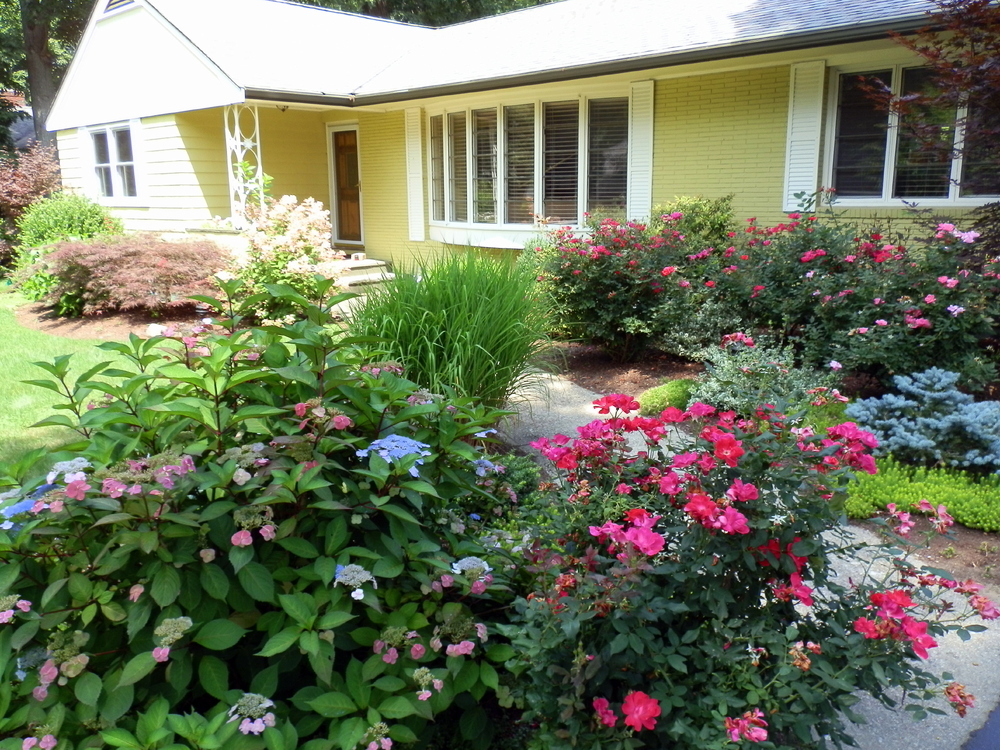
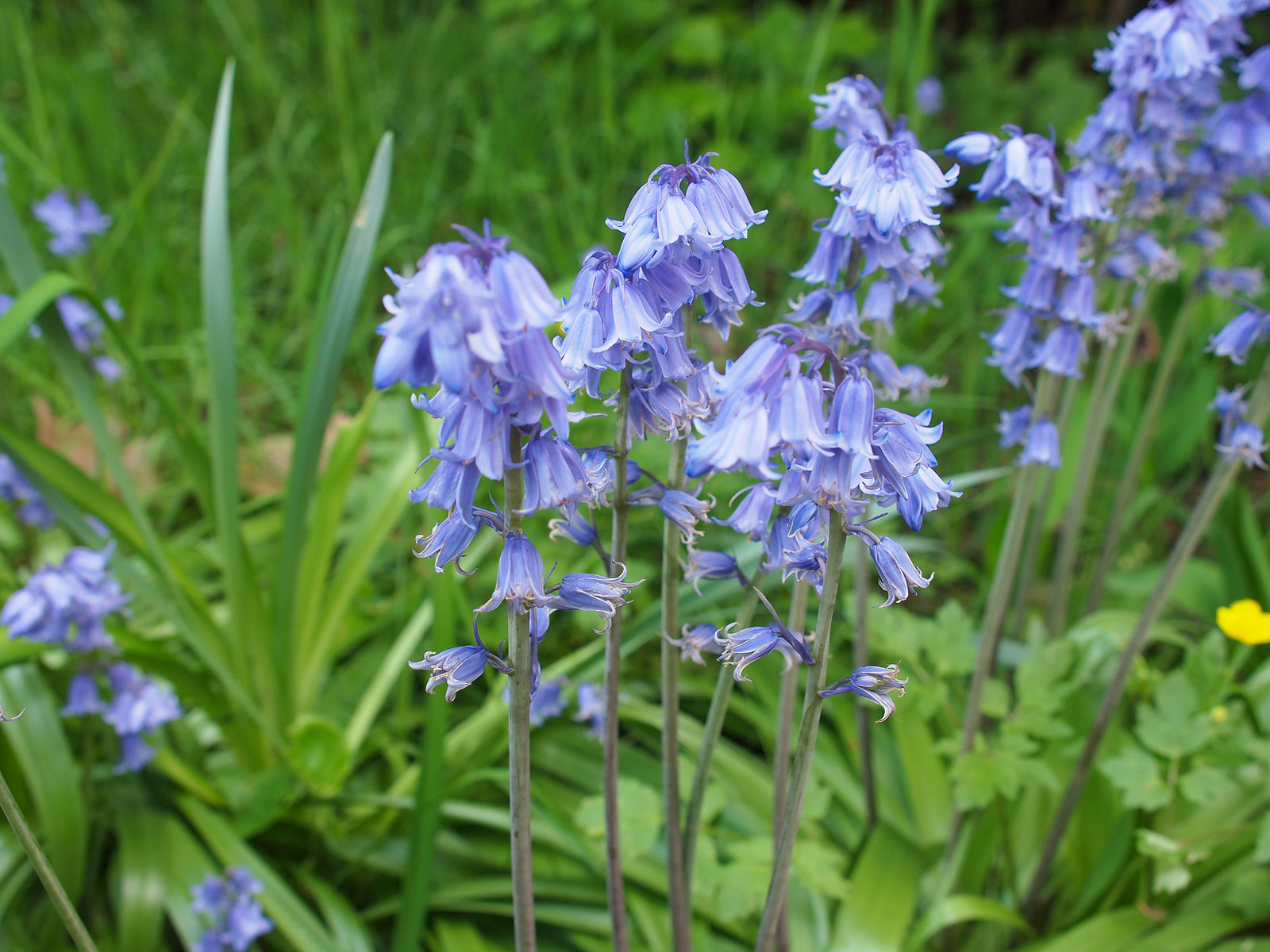
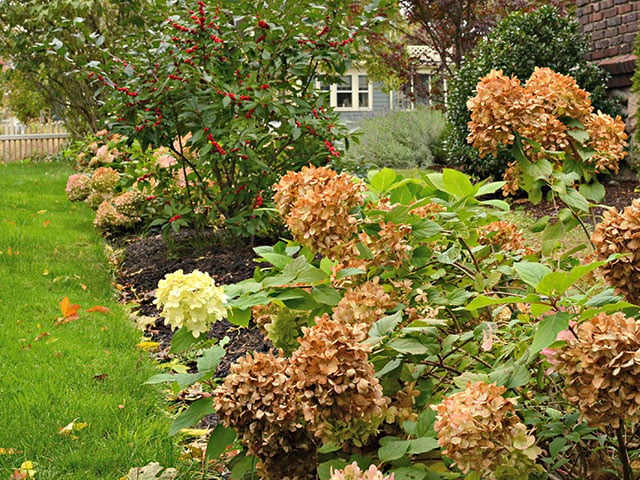
Think beyond summer blooms. Hydrangeas, ornamental grasses and boxwood bring movement, color and texture through fall and winter. Spring bulbs add bursts of life when the snow melts. By varying plant height, texture and bloom time, you can design a landscape that feels complete no matter the month.
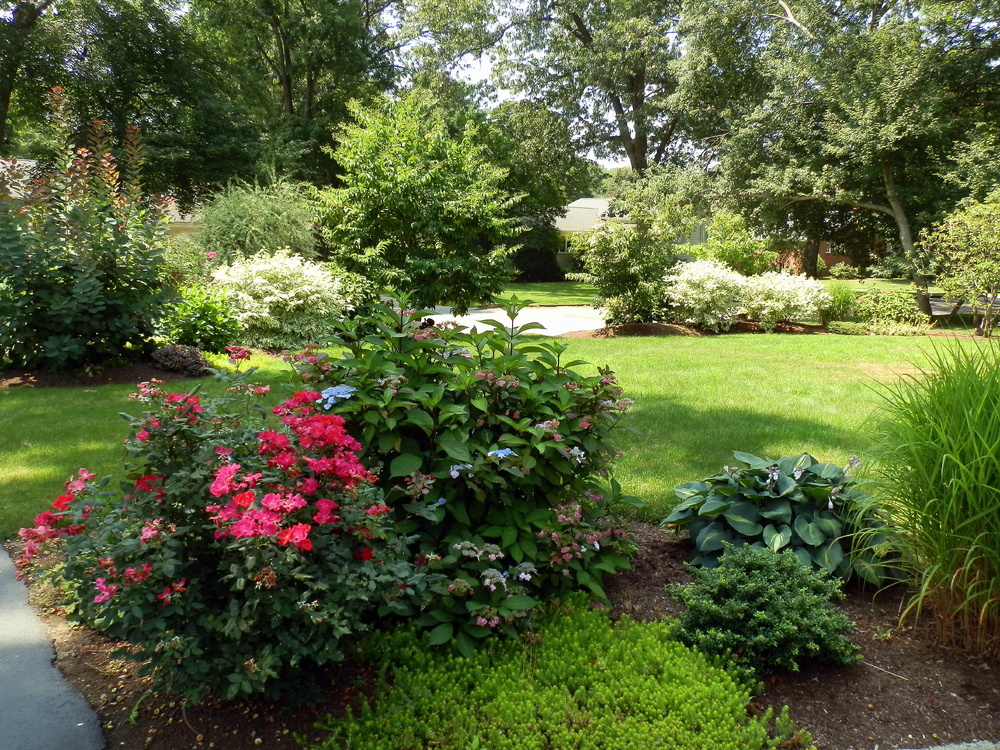
Intentional year-round planning also supports your home’s curb appeal and property value, showing that beauty doesn’t have to fade with the weather.
Grow and Evolve Your Landscape Over Time
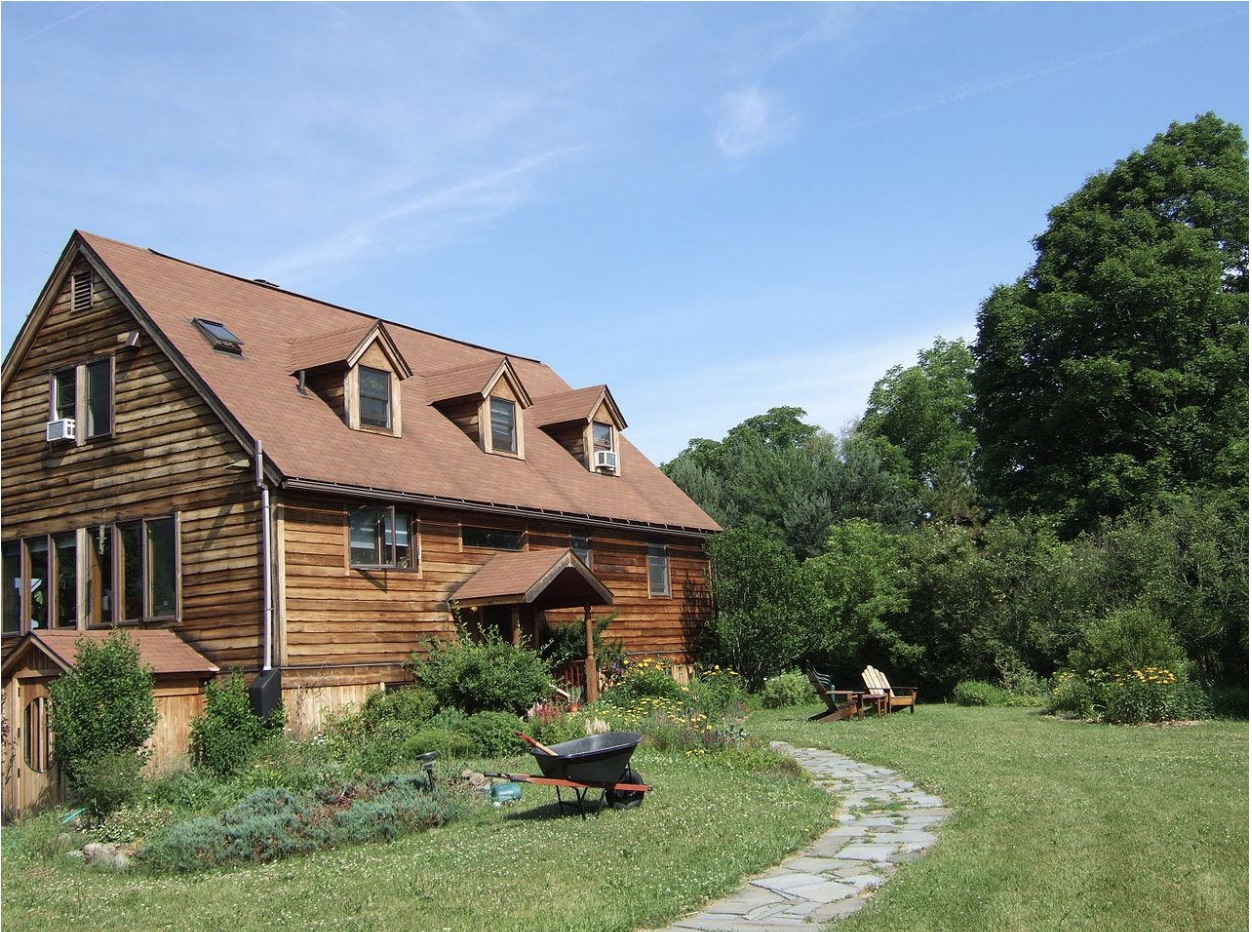
A truly long-lasting landscape is never finished. Even the most well-planned design should have room to grow, adapt and reflect the way you live. As plants mature and spaces settle, each year brings new opportunities to refine and enhance your yard’s character.
Adding new trees, shrubs or flowering perennials can fill emerging gaps or shift the focus as light and soil conditions change. Introducing seasonal plants keeps garden beds dynamic and colorful without disrupting the established design.
Over time, this gradual evolution strengthens the overall composition, allowing the landscape to feel fresh while maintaining its original structure.
Landscapes aren’t meant to stay frozen in time. Testing new plants, swapping out a ground cover or reshaping a border helps your yard grow naturally with your needs while keeping the design intact.
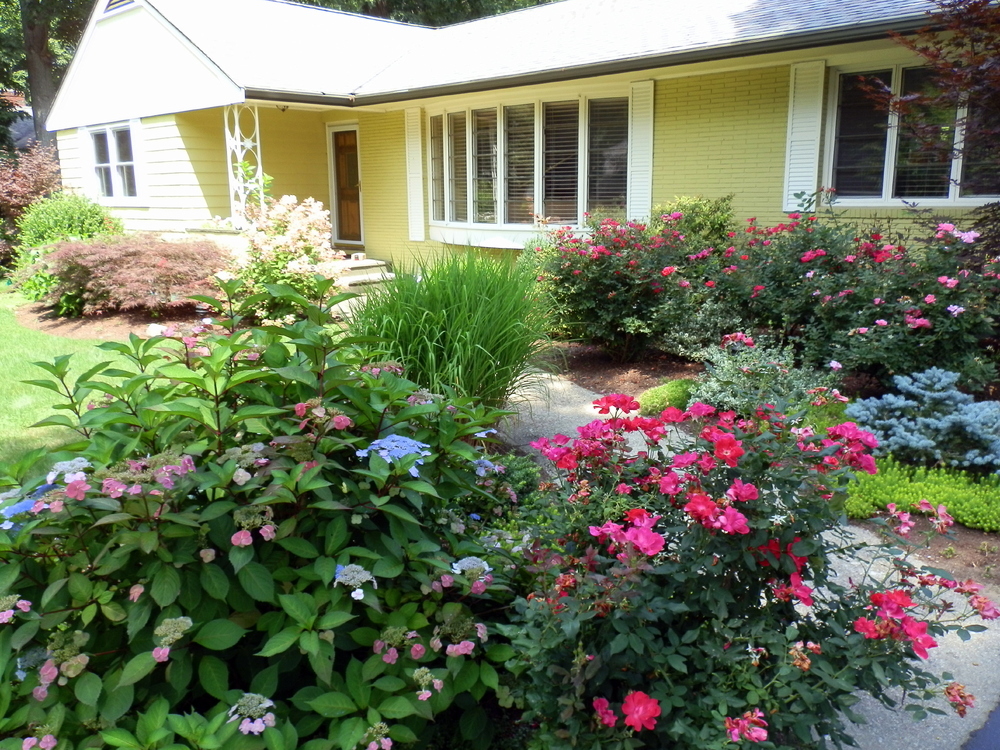
When you treat your landscape as a living, growing design rather than a fixed project, it becomes a source of inspiration that matures beautifully through every generation.
A truly long-lasting landscape is built with intention. It’s about selecting plants that belong where they’re planted, materials that age gracefully and a layout that considers how every element will interact over time. The result is a landscape that doesn’t just endure, but deepens in character as it matures.
When design and longevity come together, your yard feels more complete with each passing year. Plants mature, materials weather naturally and the space settles into balance. The result is an outdoor environment that looks better the longer you live with it.
To learn more about designing a custom landscape for your home, download our free ebook, The Mindful Homeowner's Guide to Transformative Landscape Design. If you're ready to get started on your new landscape project, or simply want to learn more about the process, you can contact our team here to schedule a free consultation. We'd love to talk to you!