talk-to-judischedule-a-free-phone-cons  

Subscribe by Email

Your email:

Follow Us!

Landscape Design Guide

Home of Landscaping Services for Eastern Massachusetts

Current Articles | RSS Feed RSS Feed

Making Your Home More Appealing for Resale


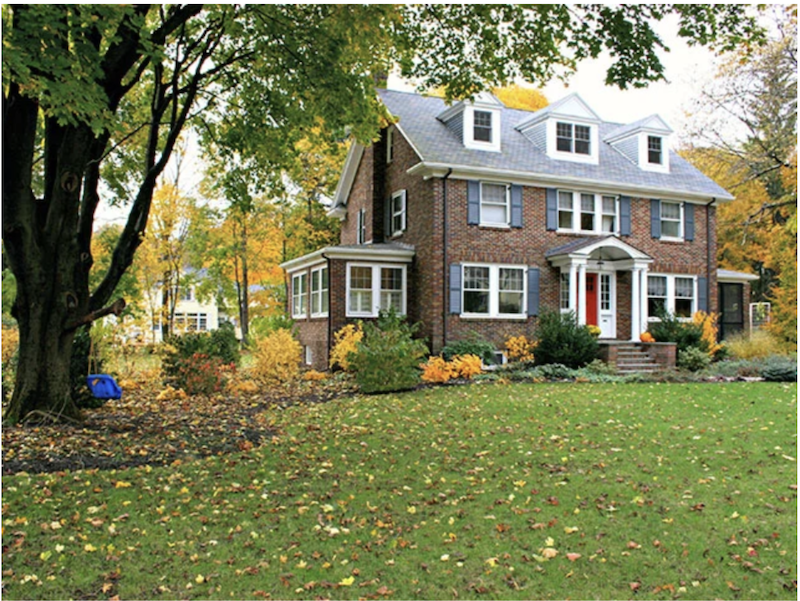
Making your Home More Appealing for Resale By the MassRealty team

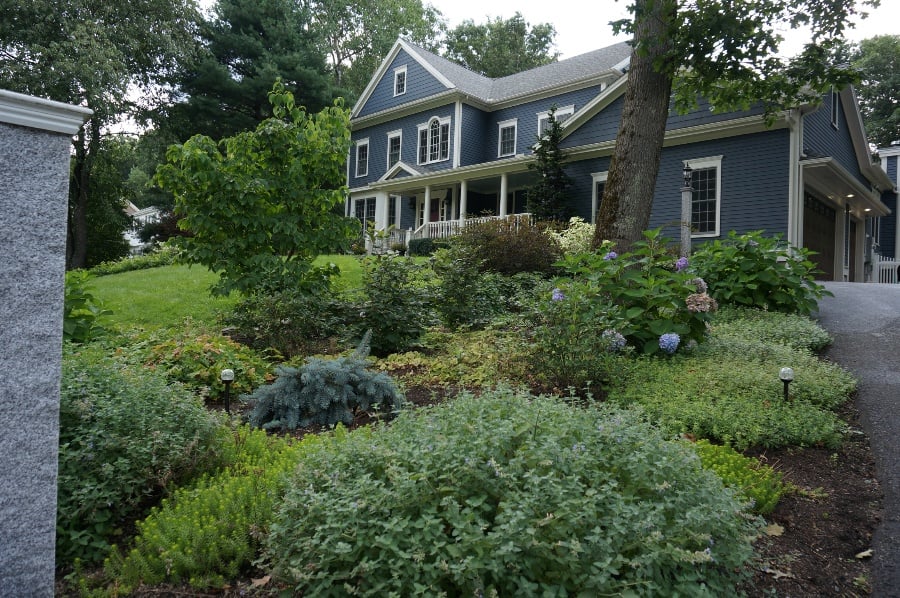
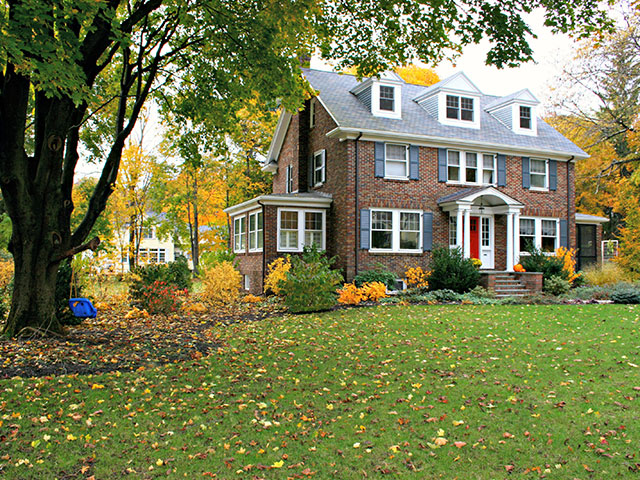
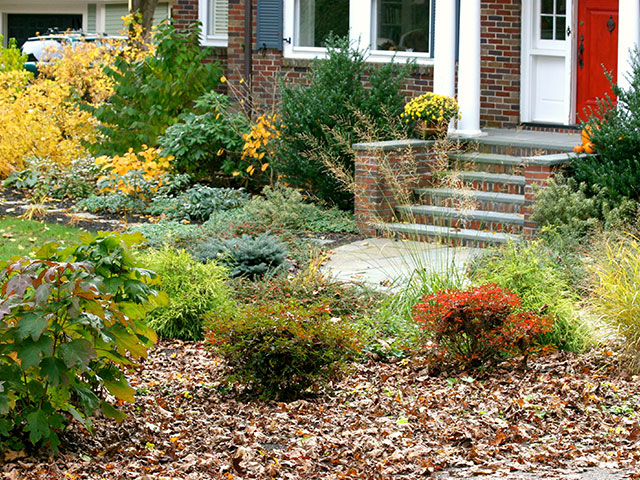
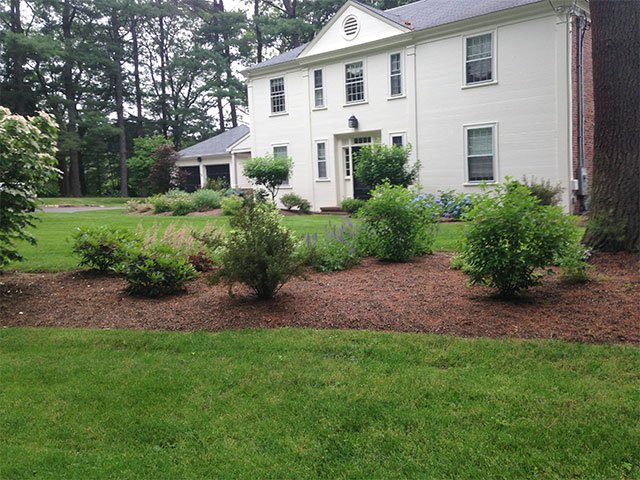
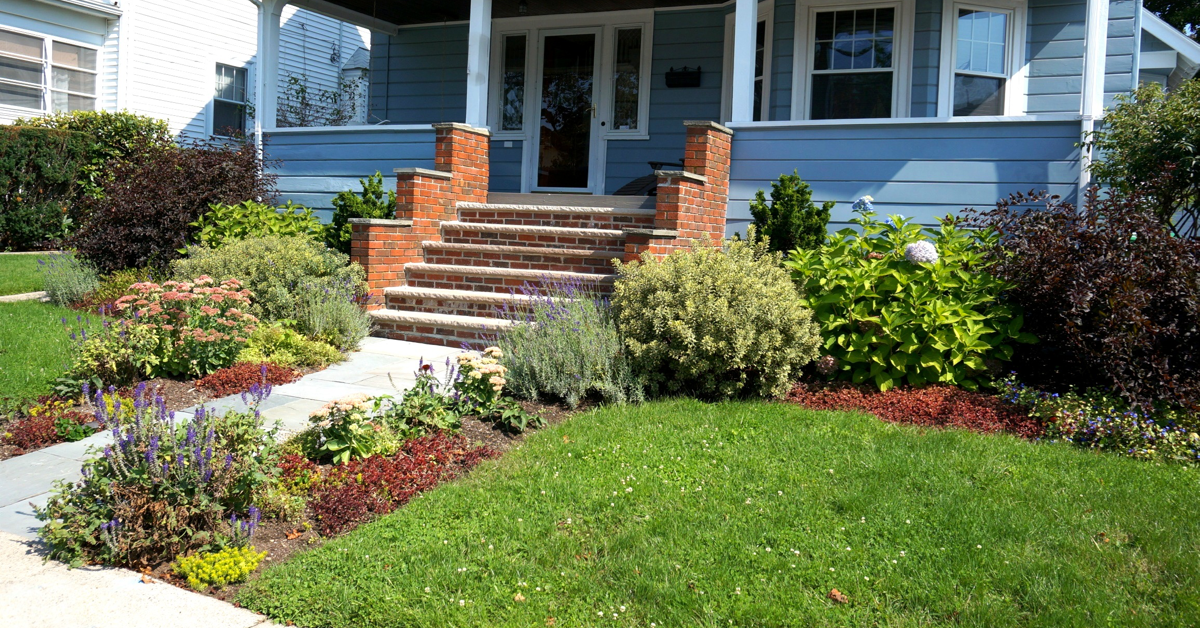
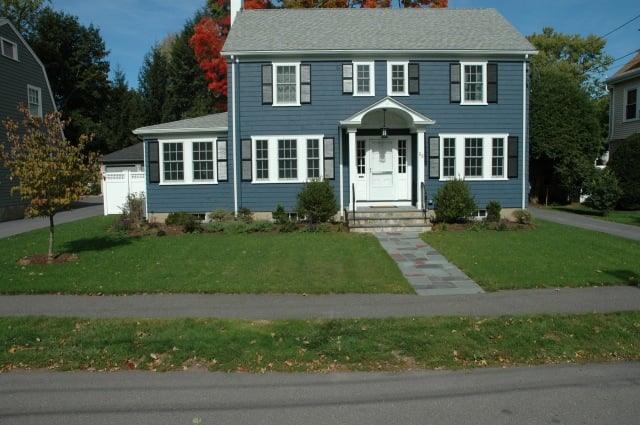
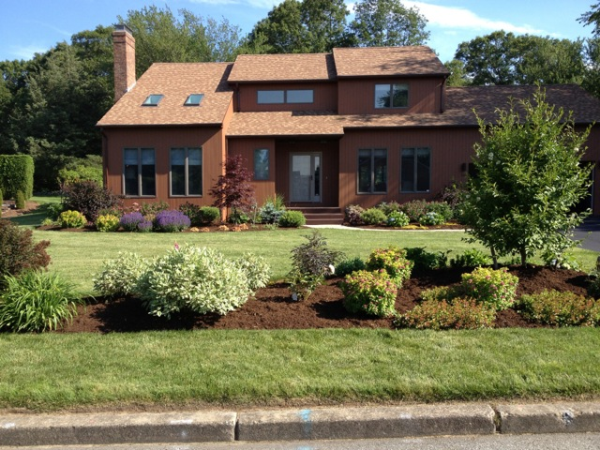
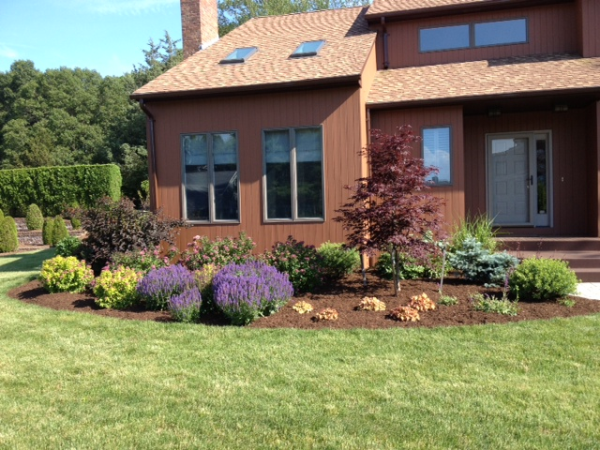
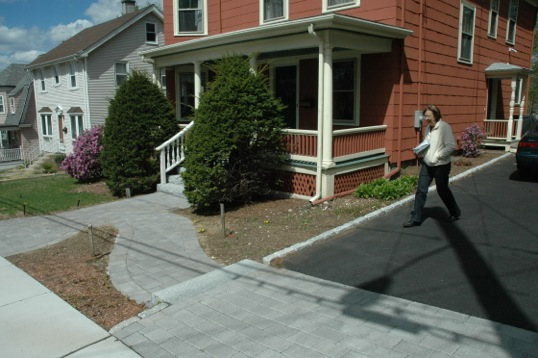
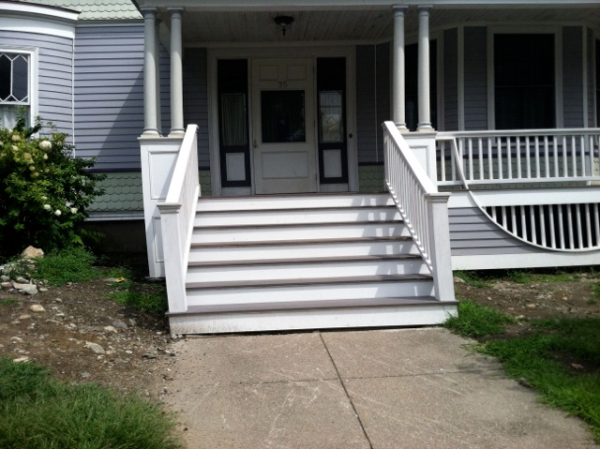
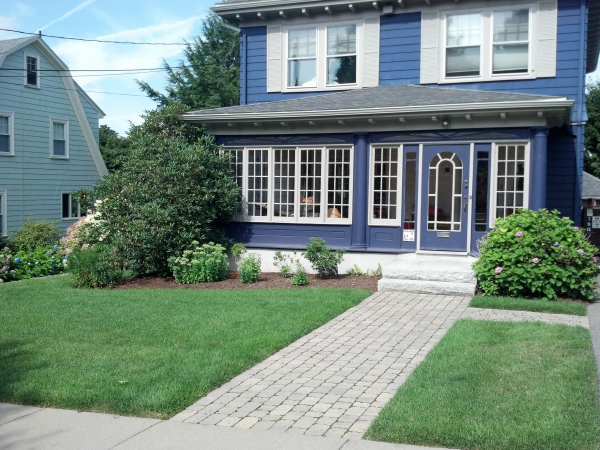
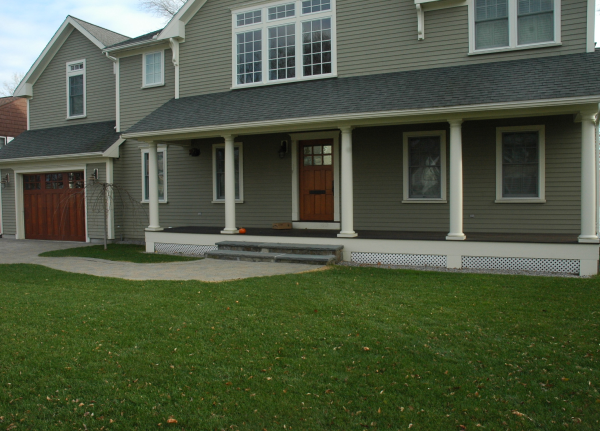
Now is the time to buy a home. Unfortunately, there are plenty of homes on the market for house hunters to choose from. If you are looking to sell your home, it is important to actively attract buyers rather than sit and wait for them to come to you. This can be done in many ways, some of which include clean landscaping, an attractive exterior, and an appealing interior.

Creating a Backyard Oasis for the Entire Family


backyard oasis

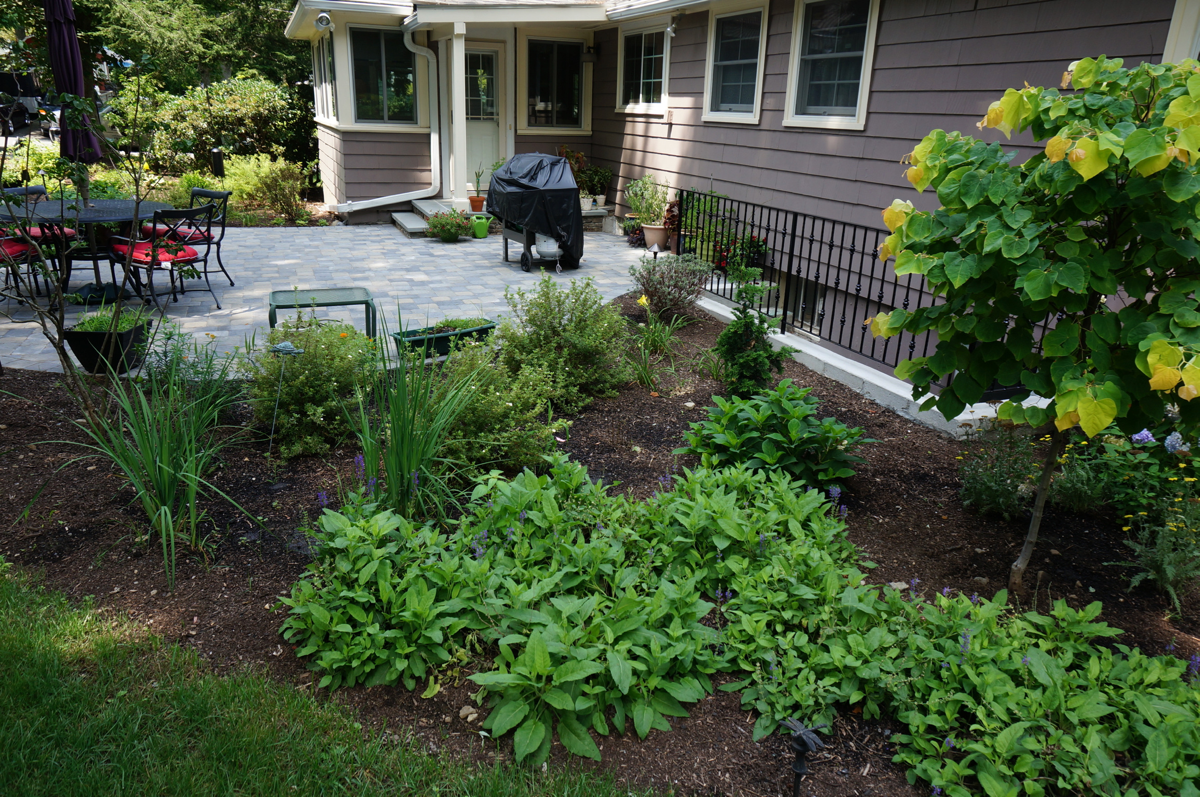
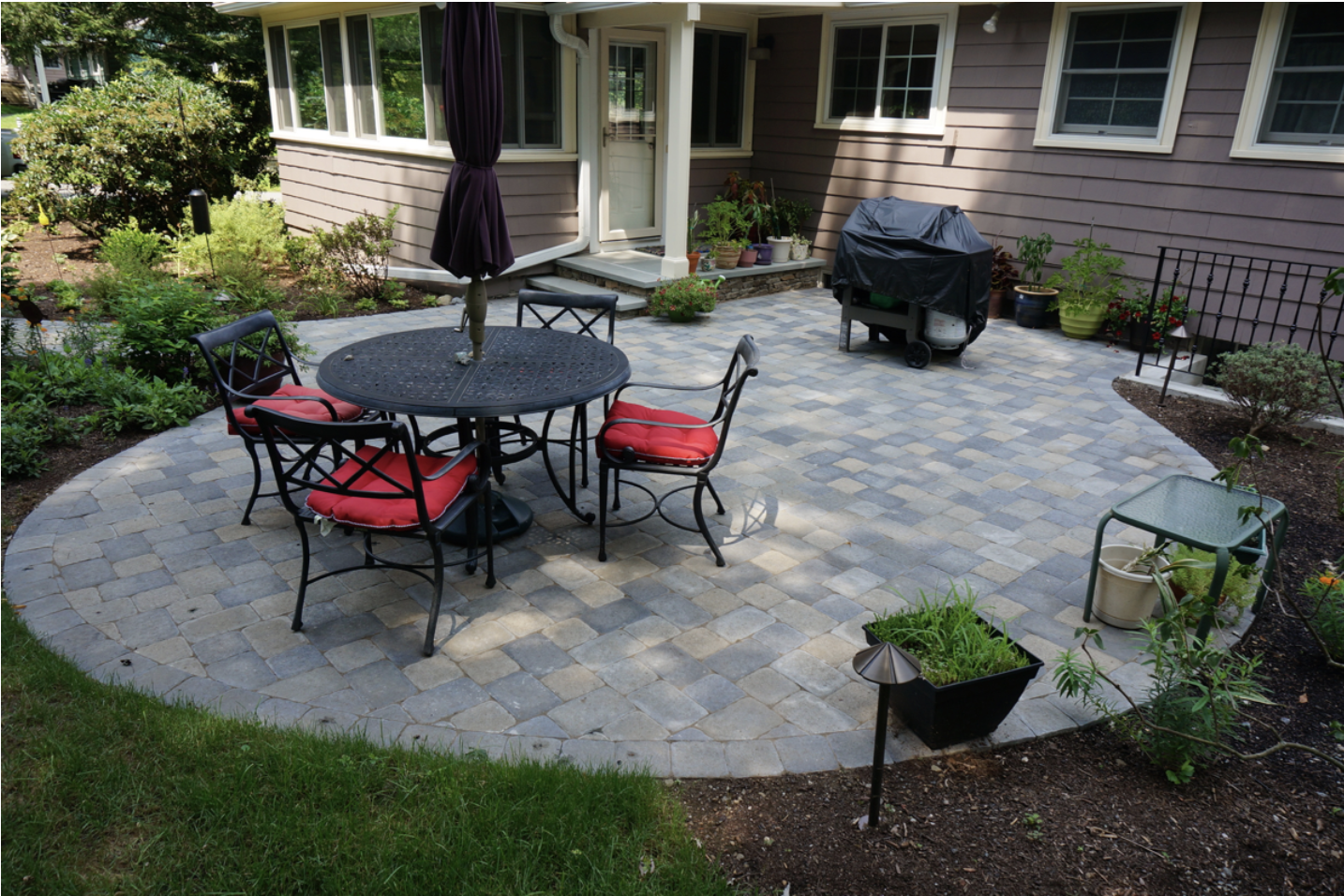
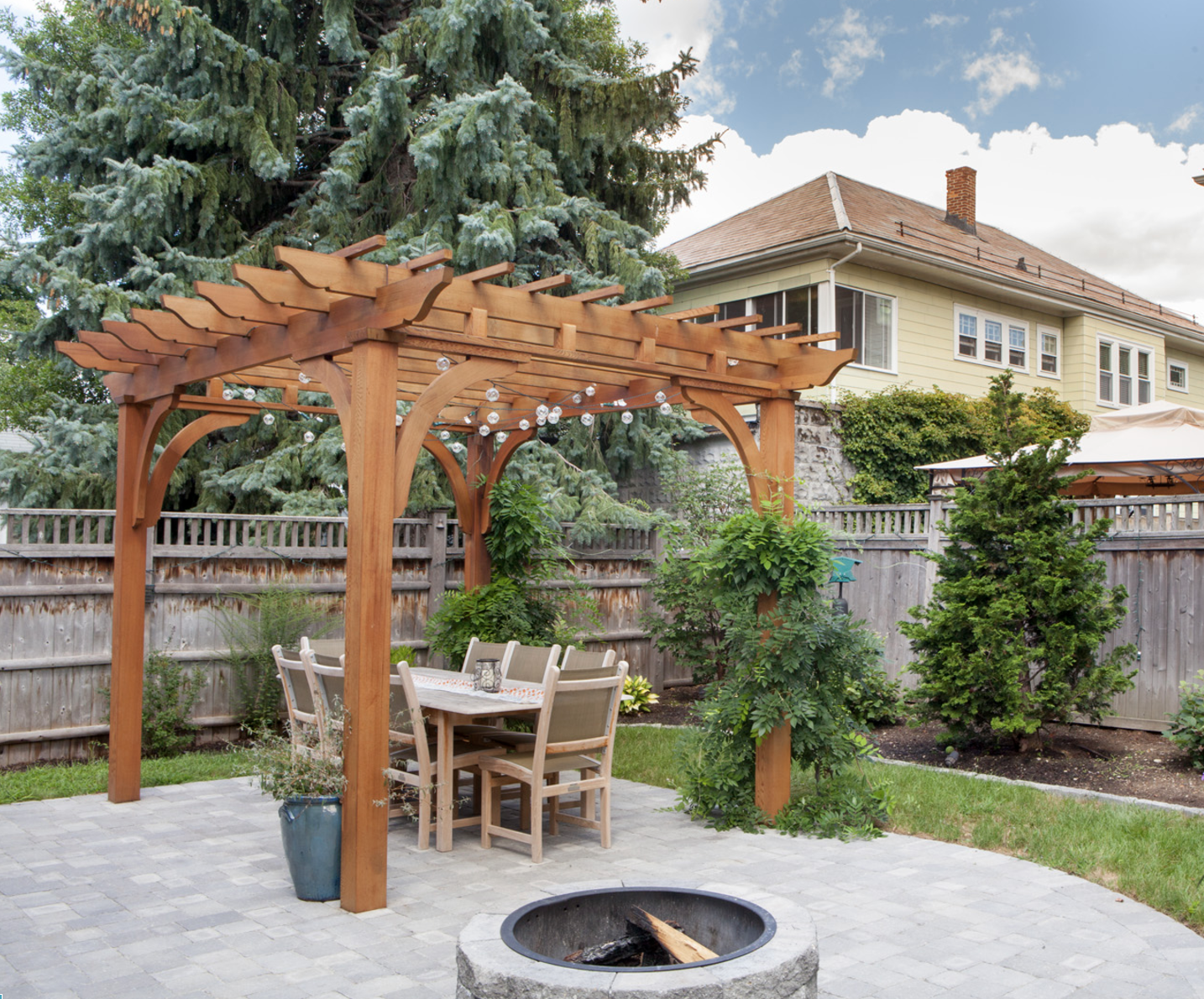
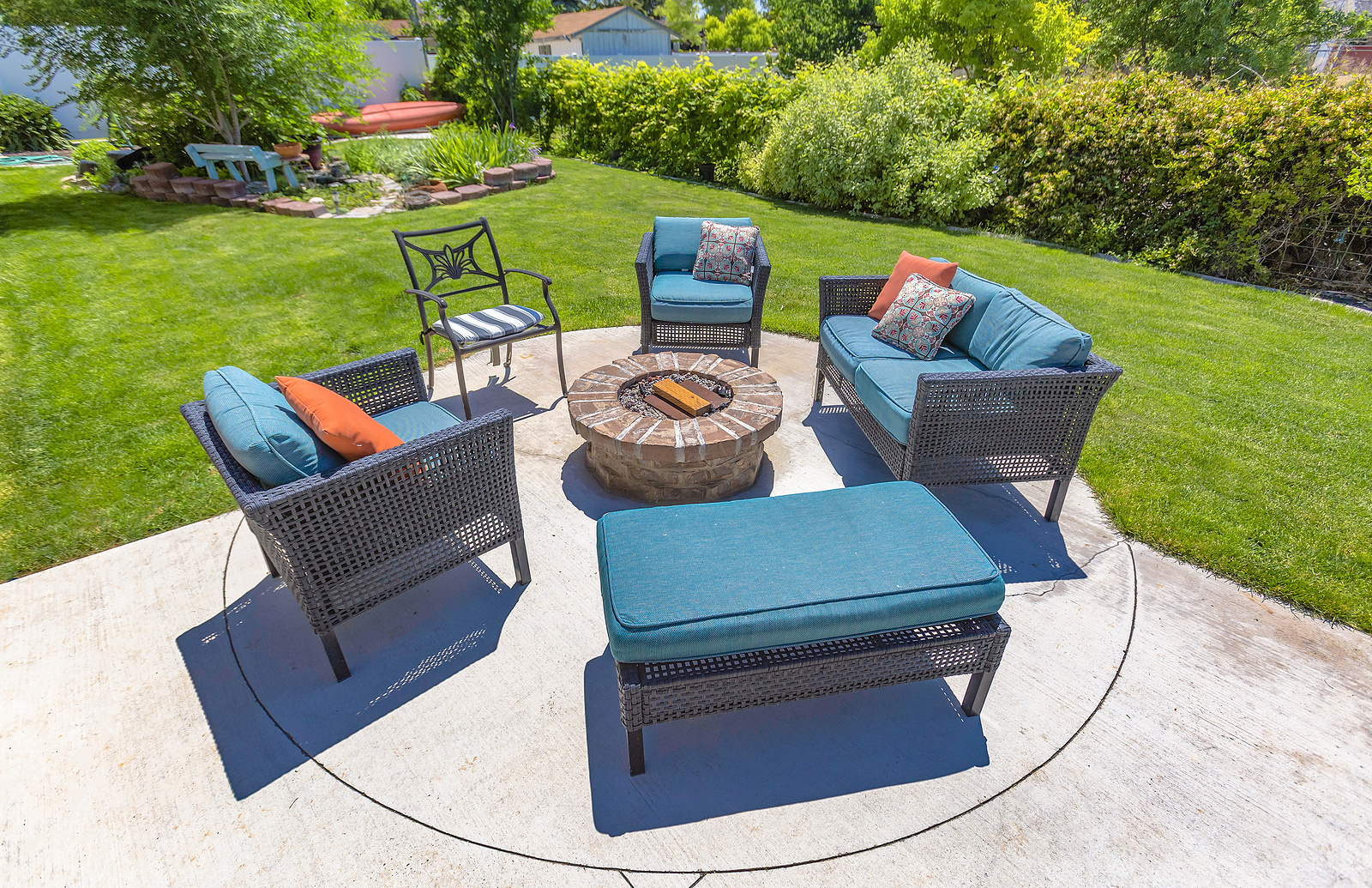
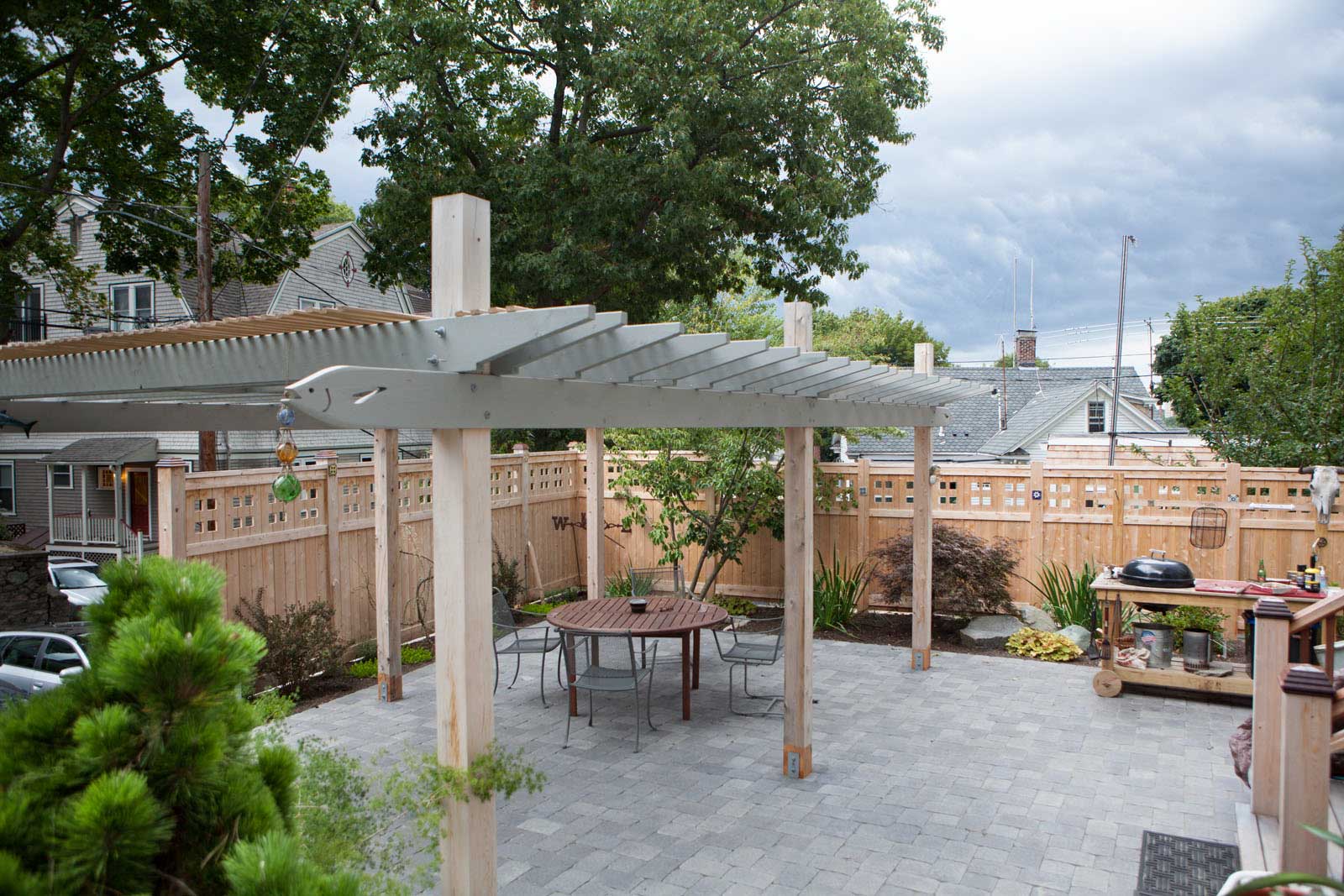
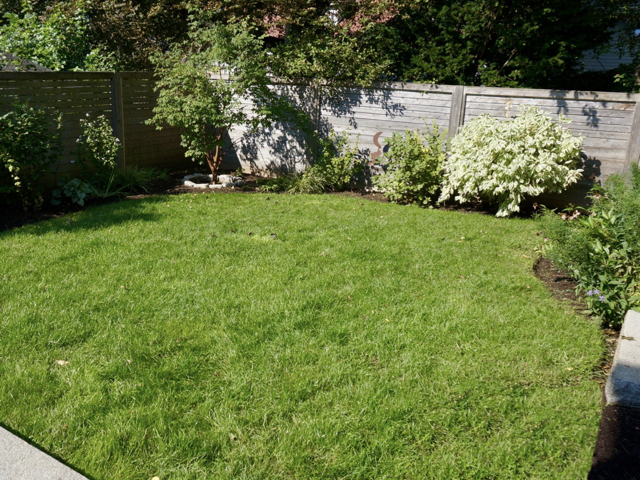
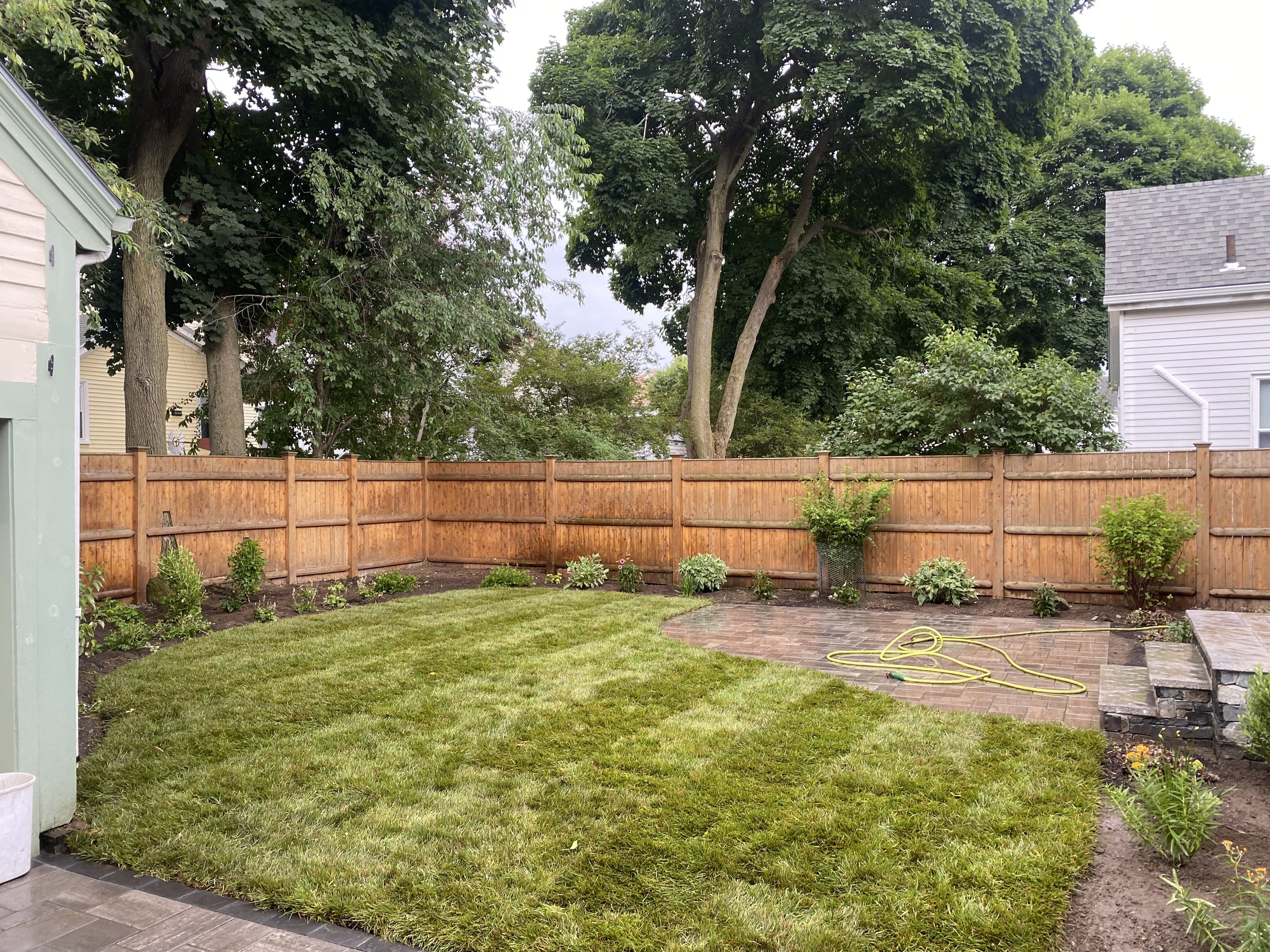
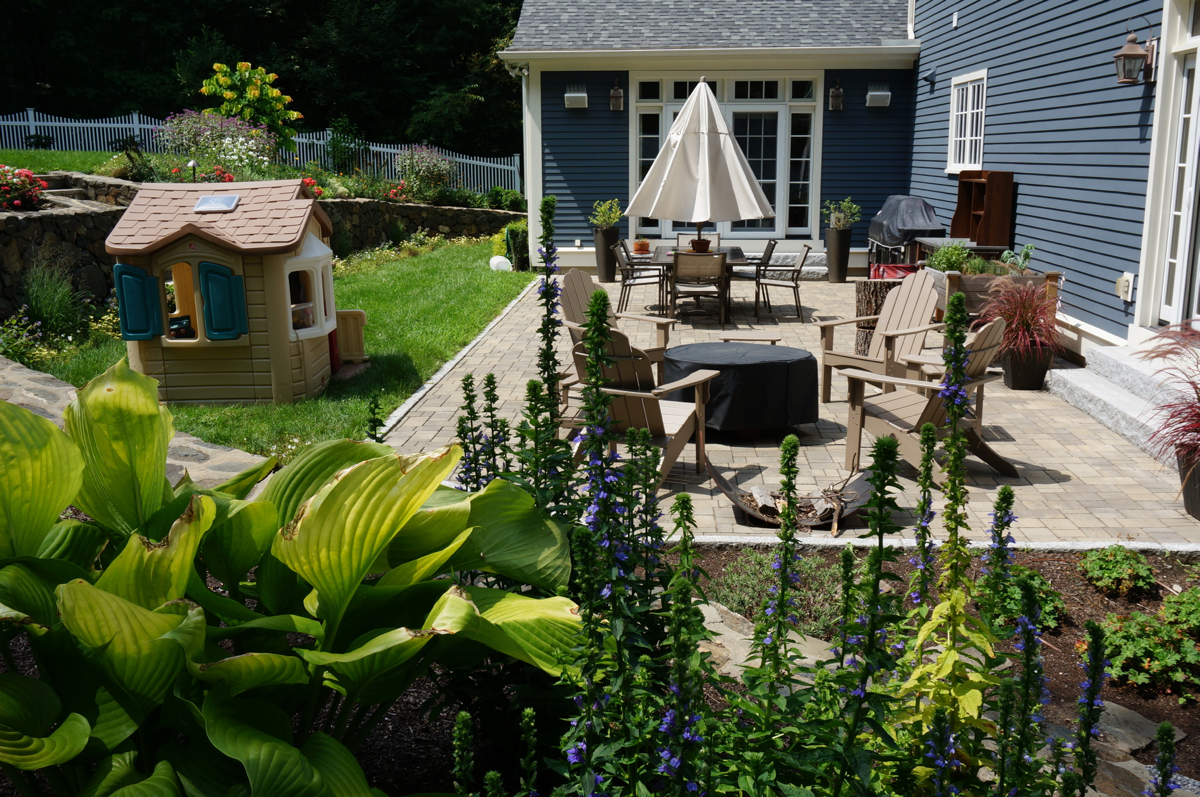
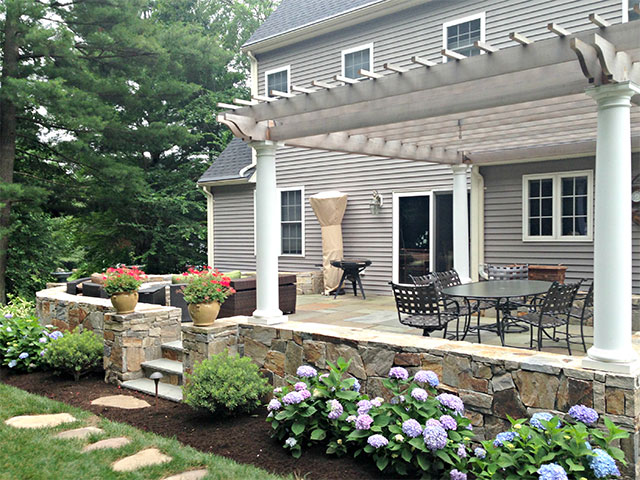
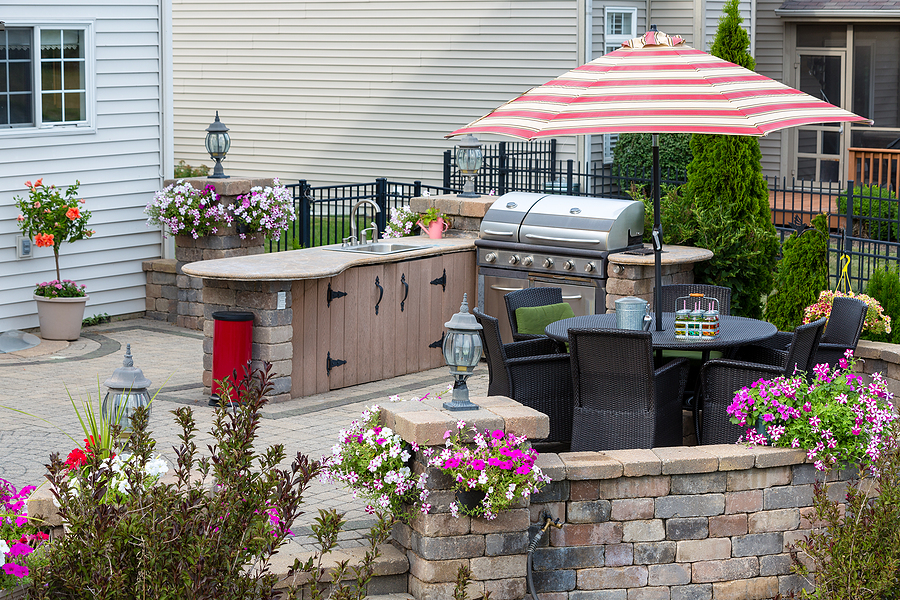
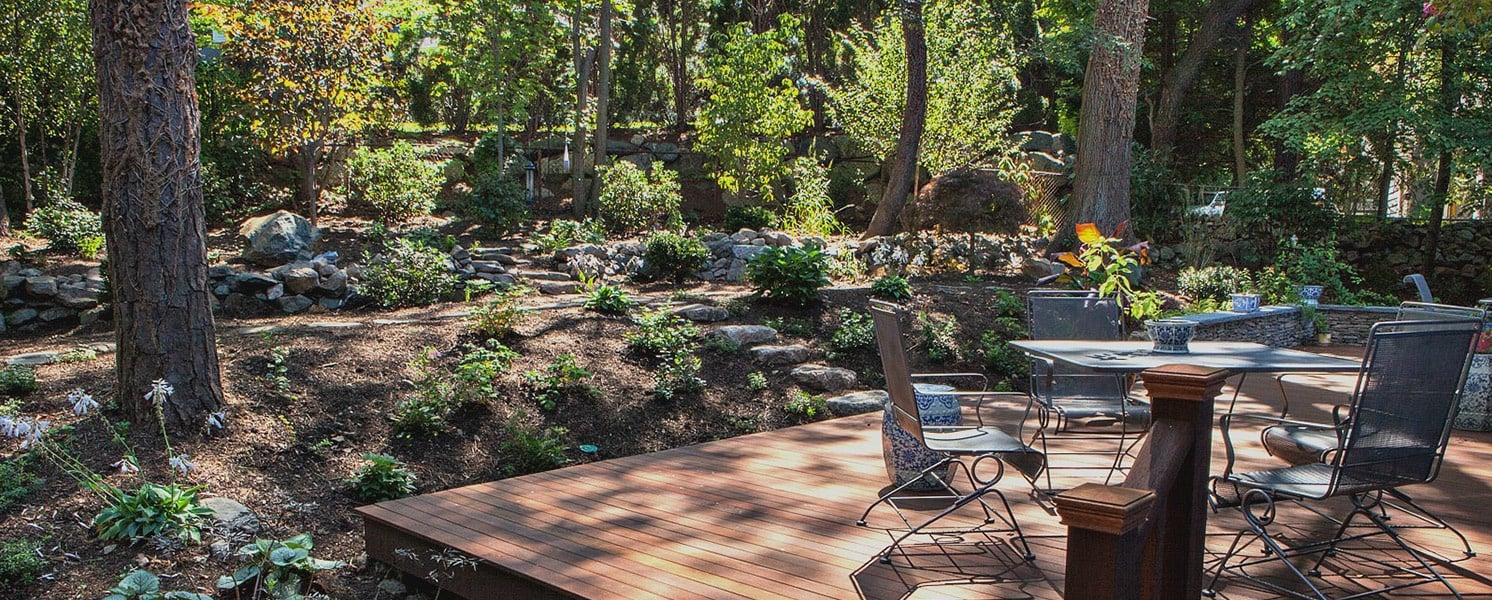
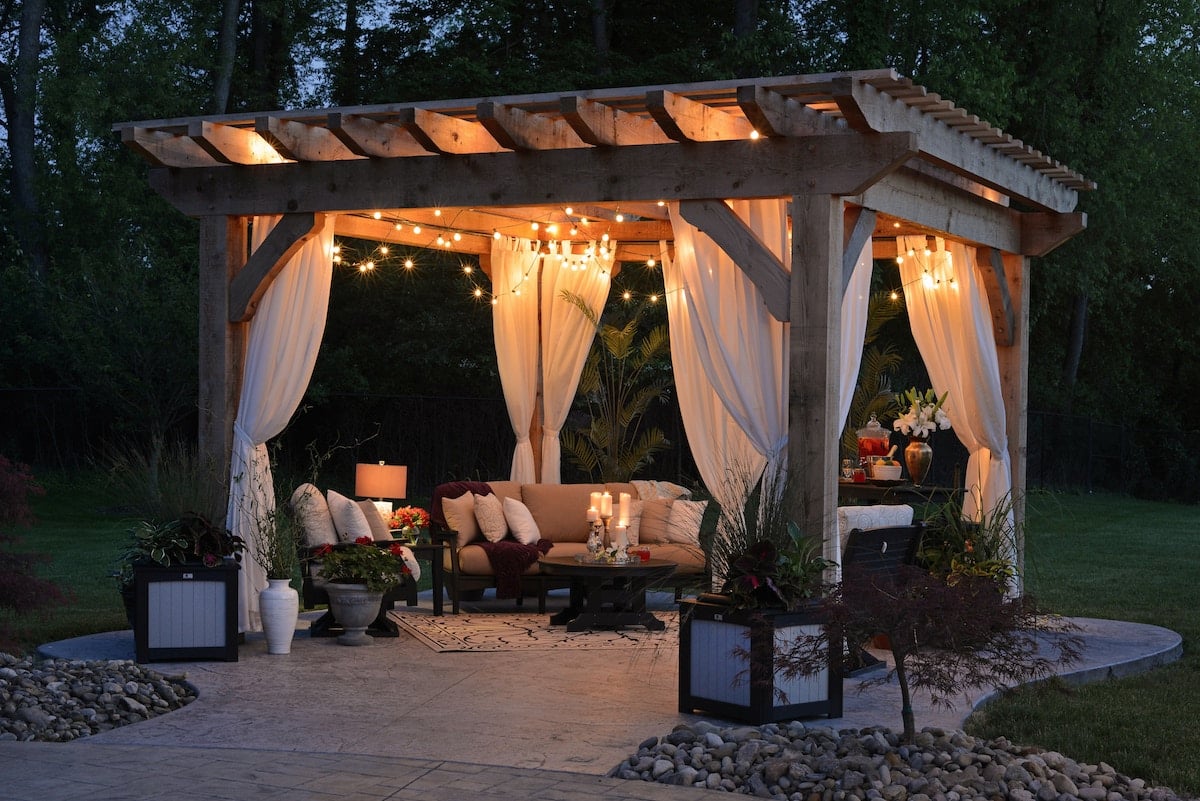
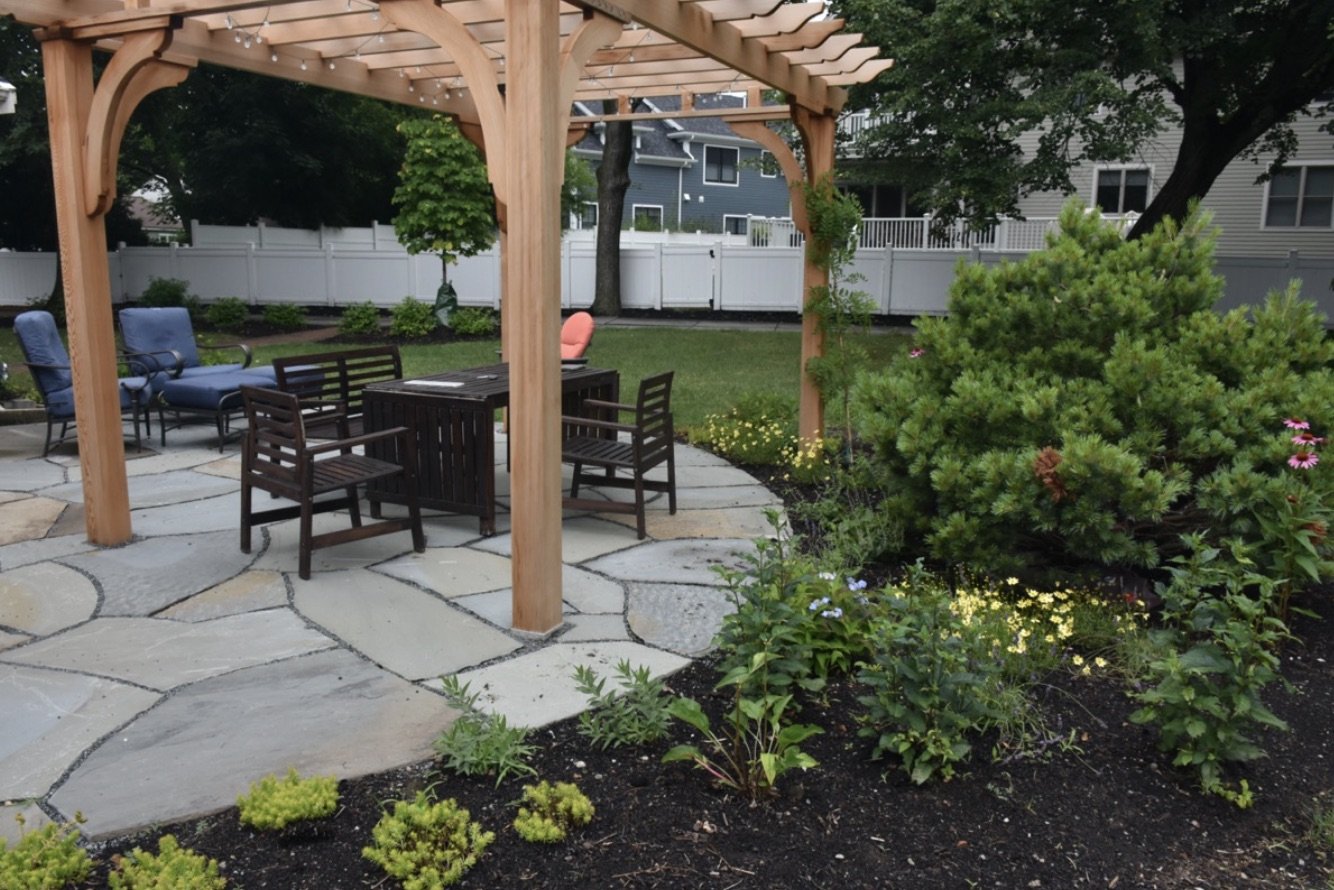
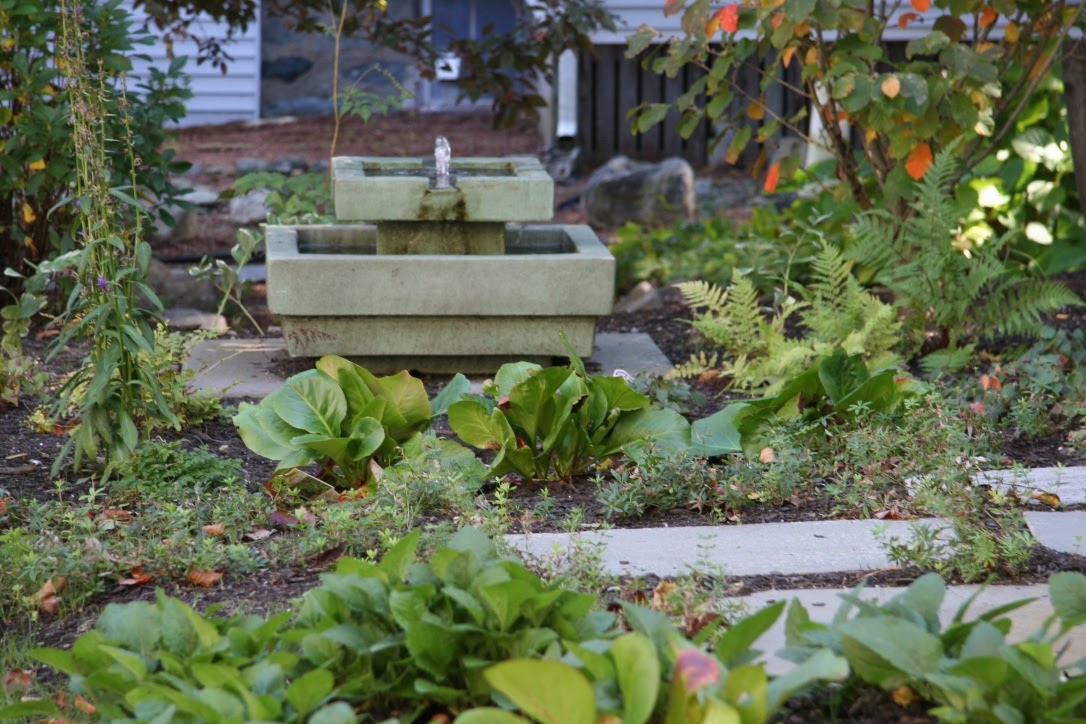
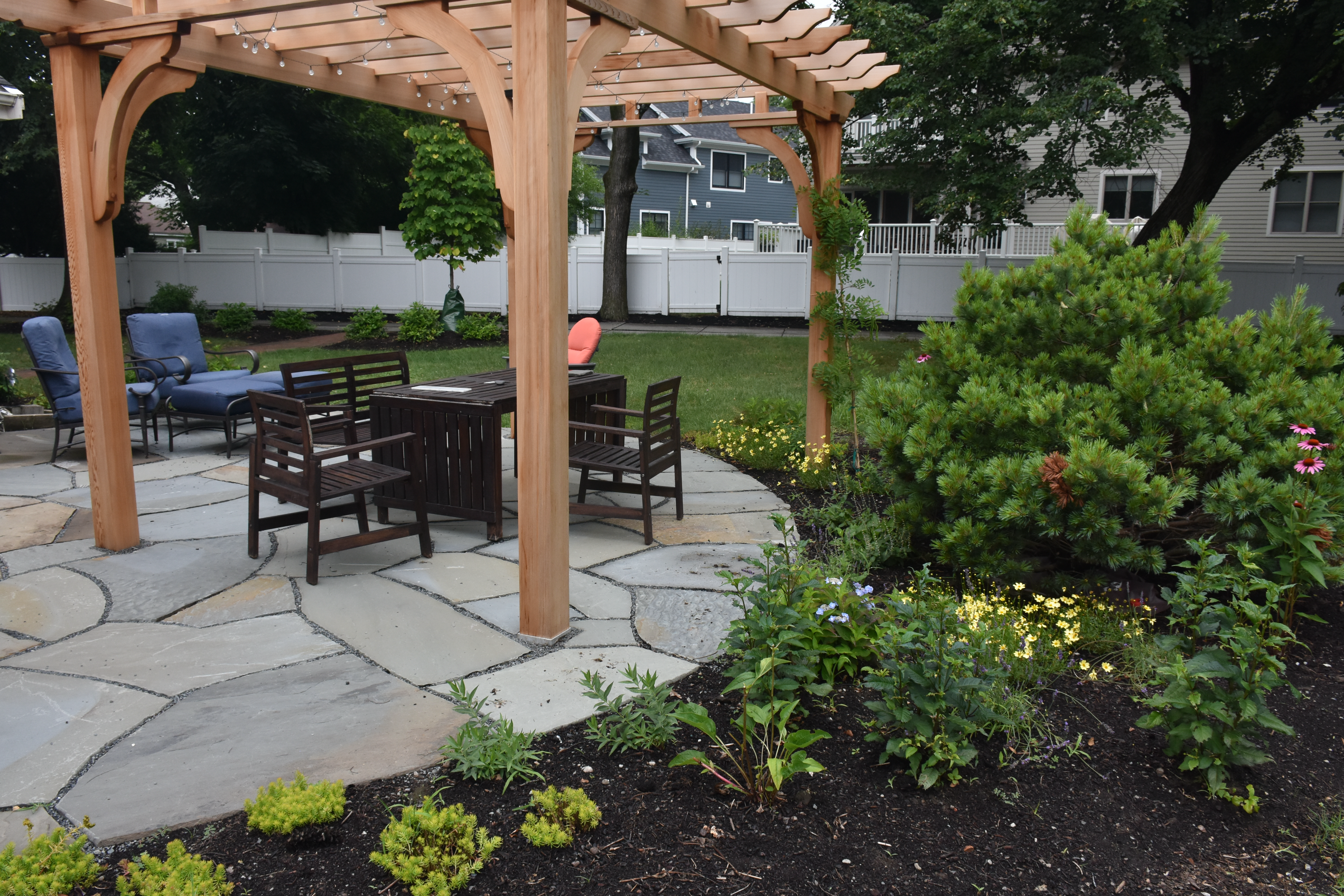
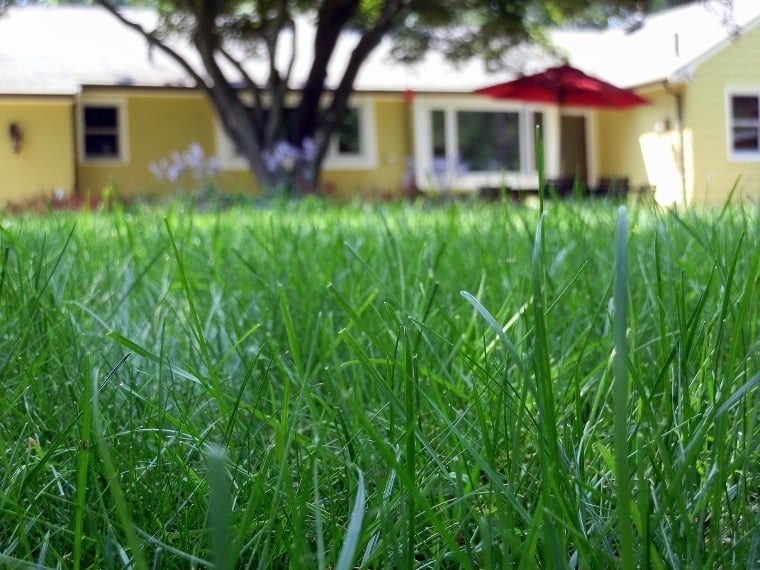
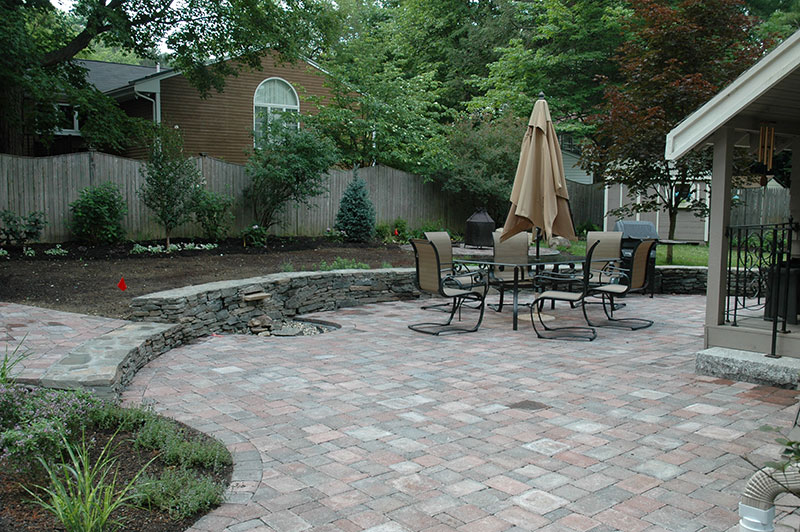
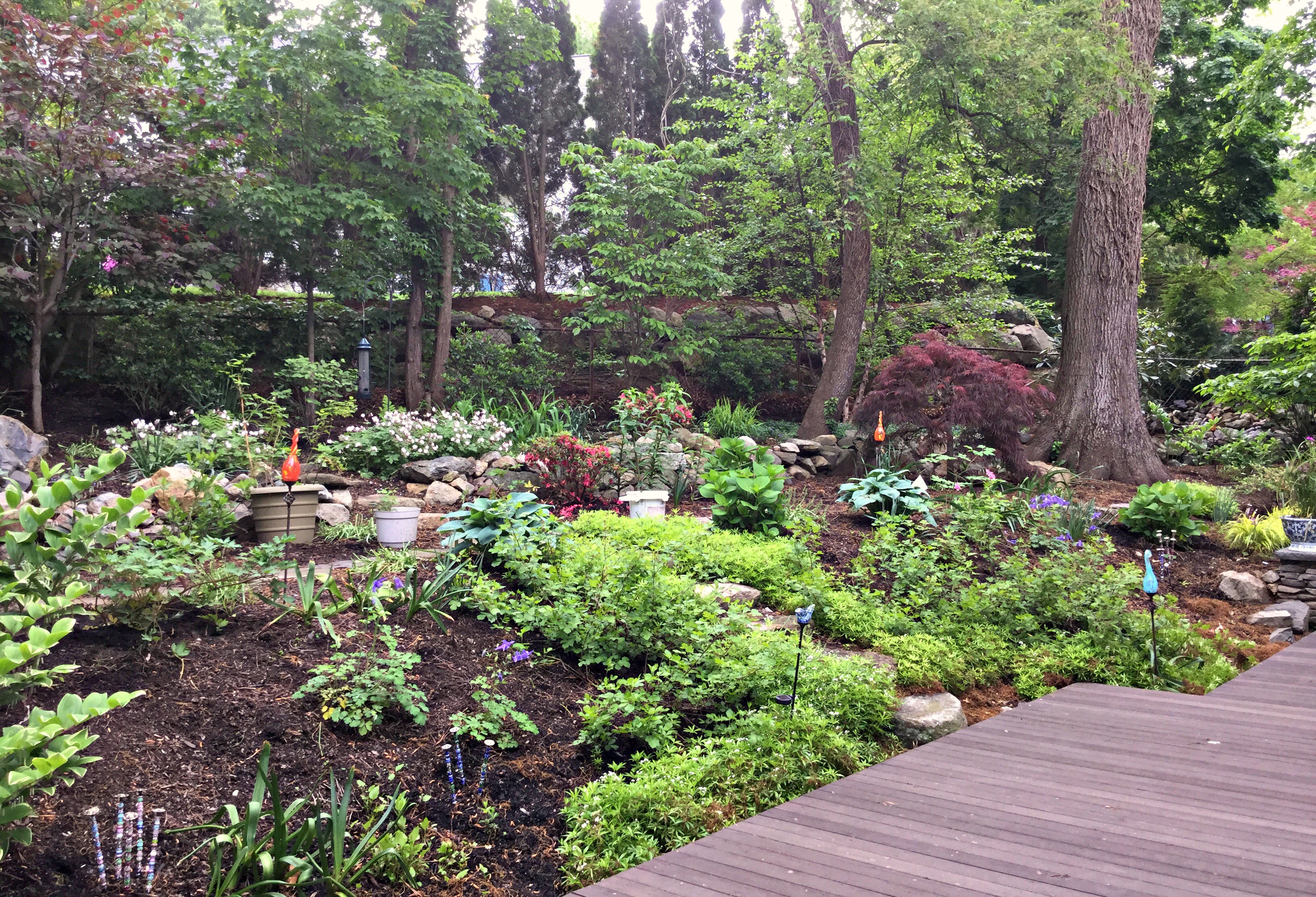
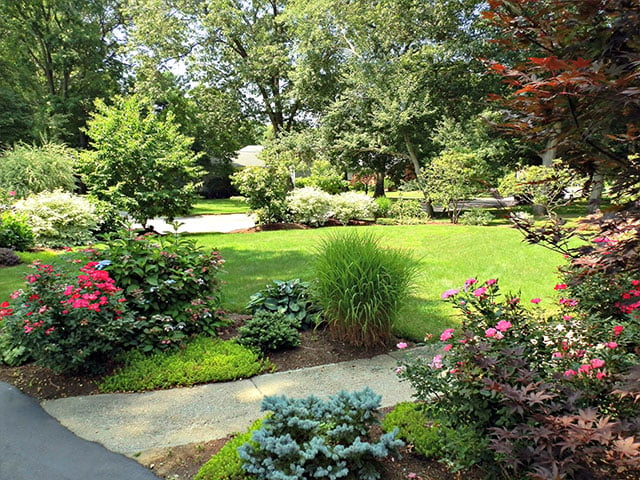
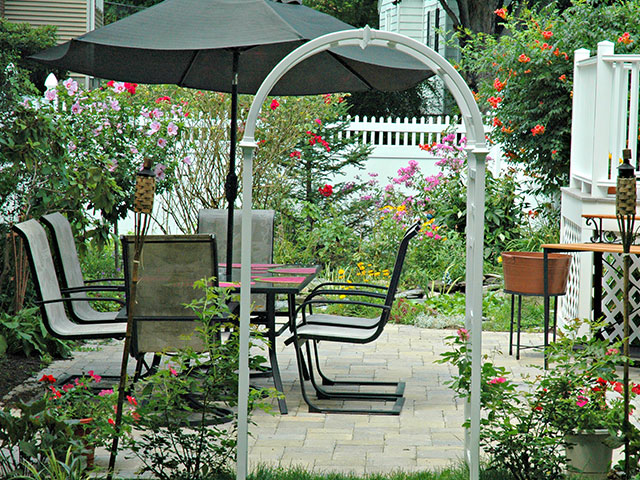
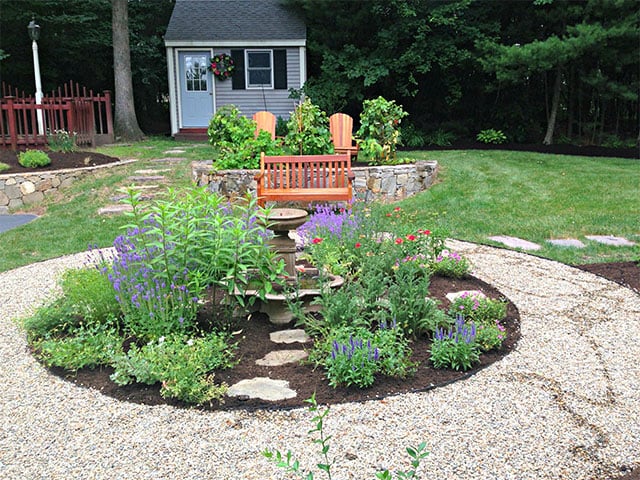
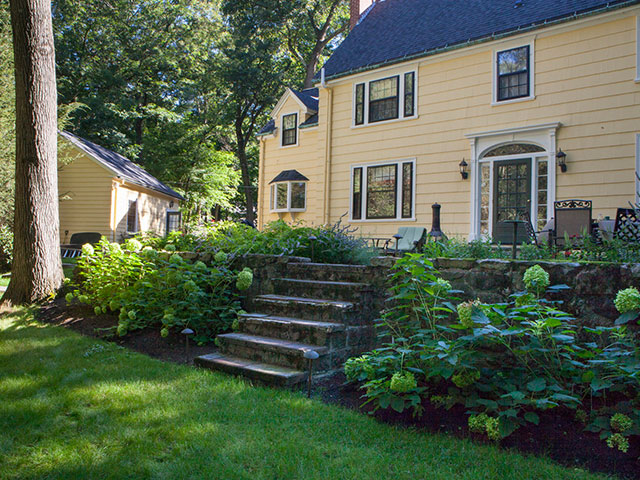
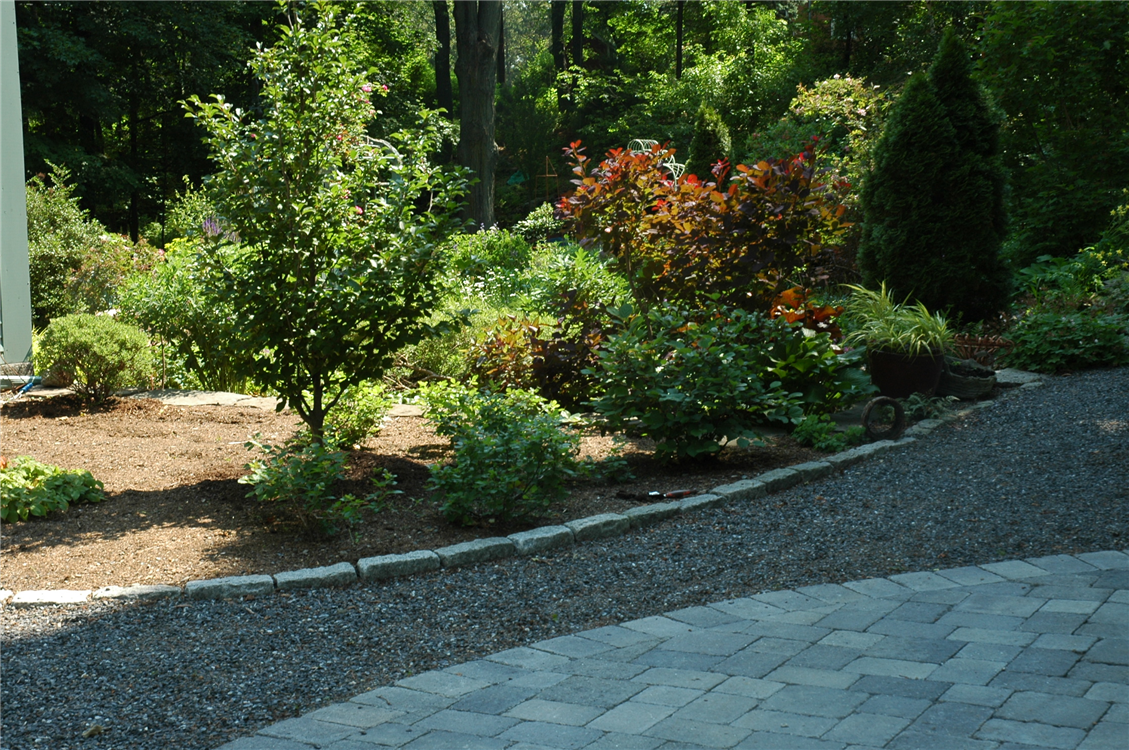
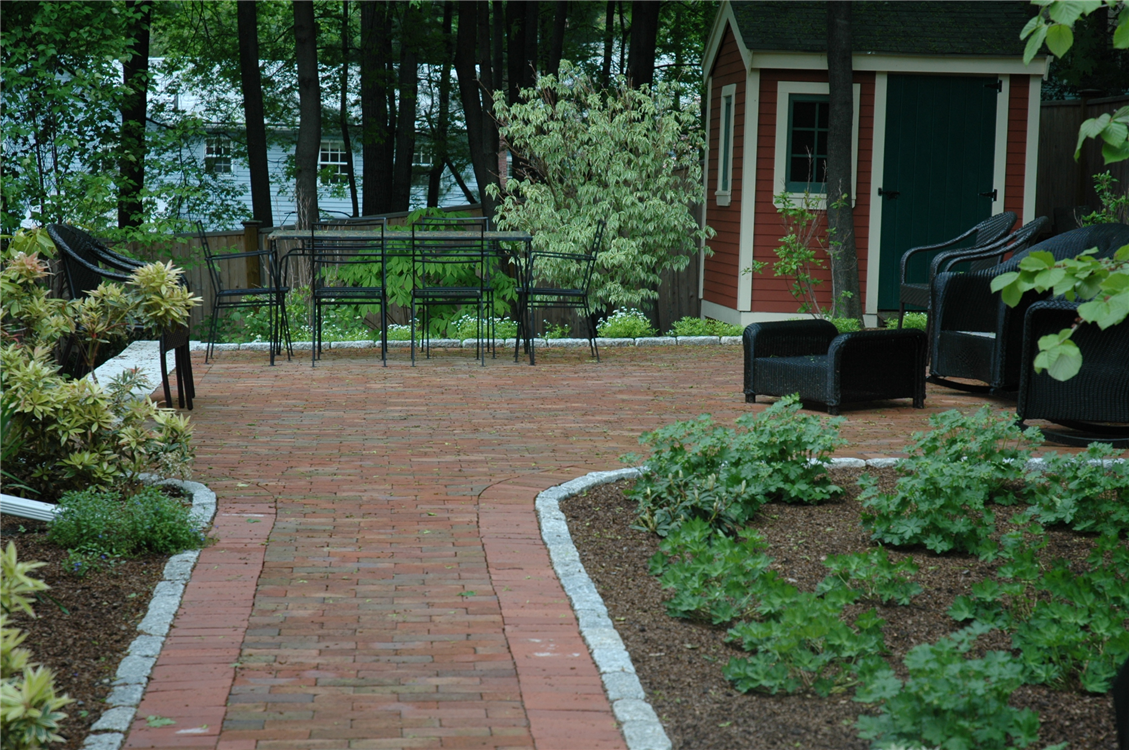
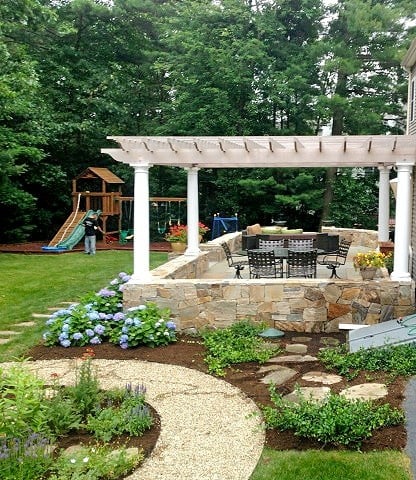
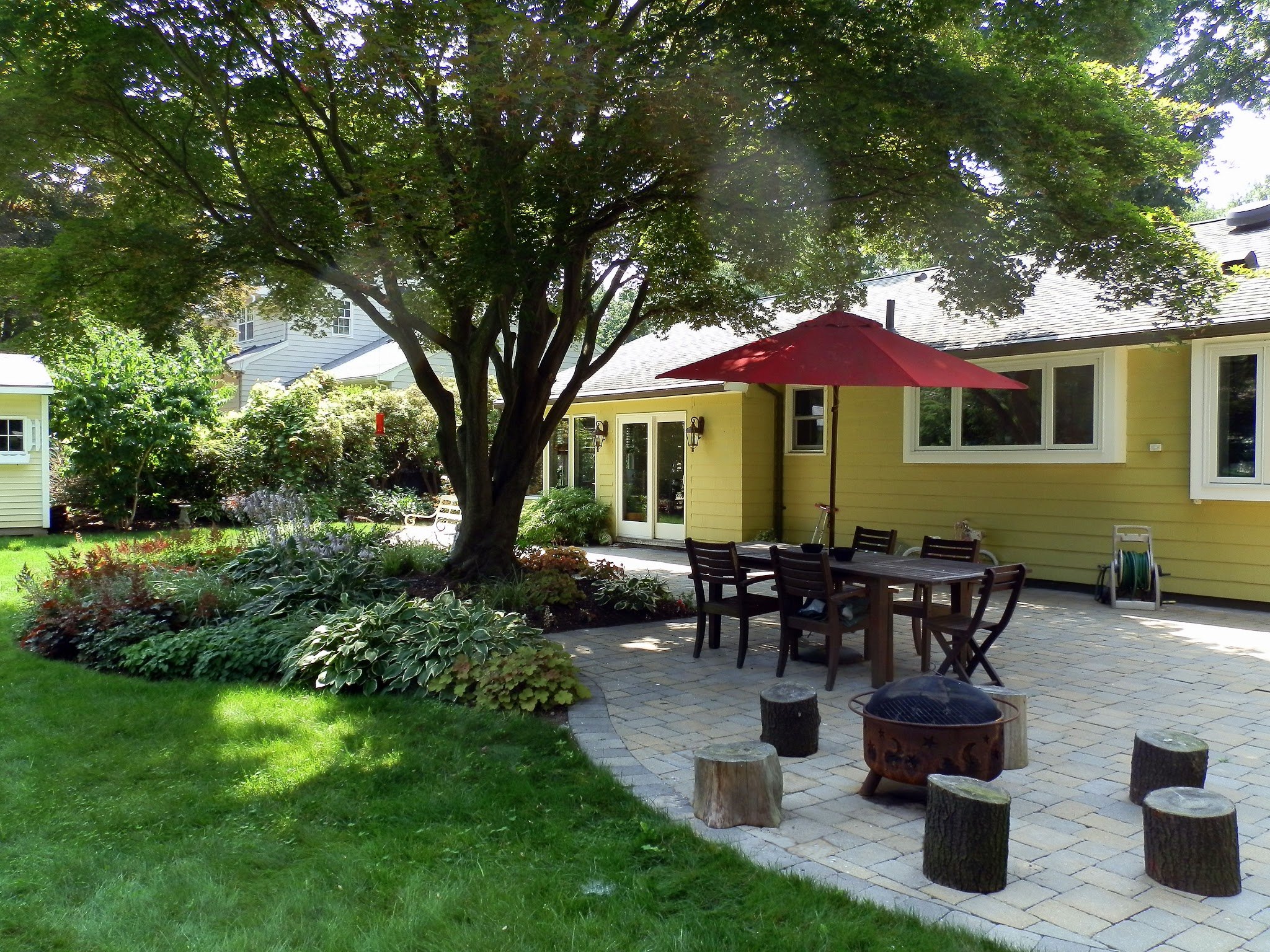
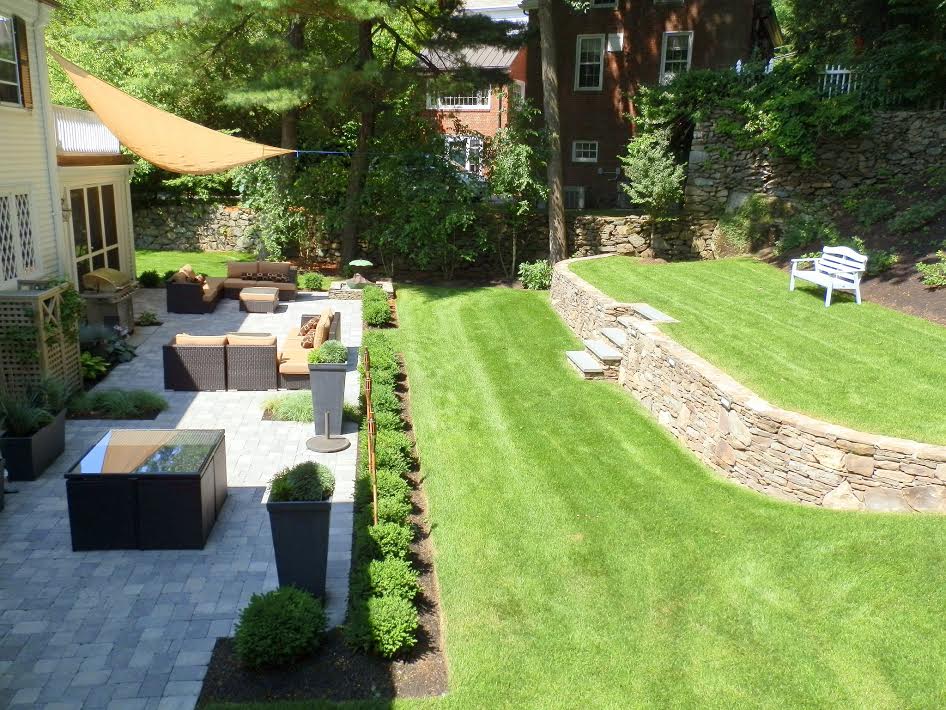
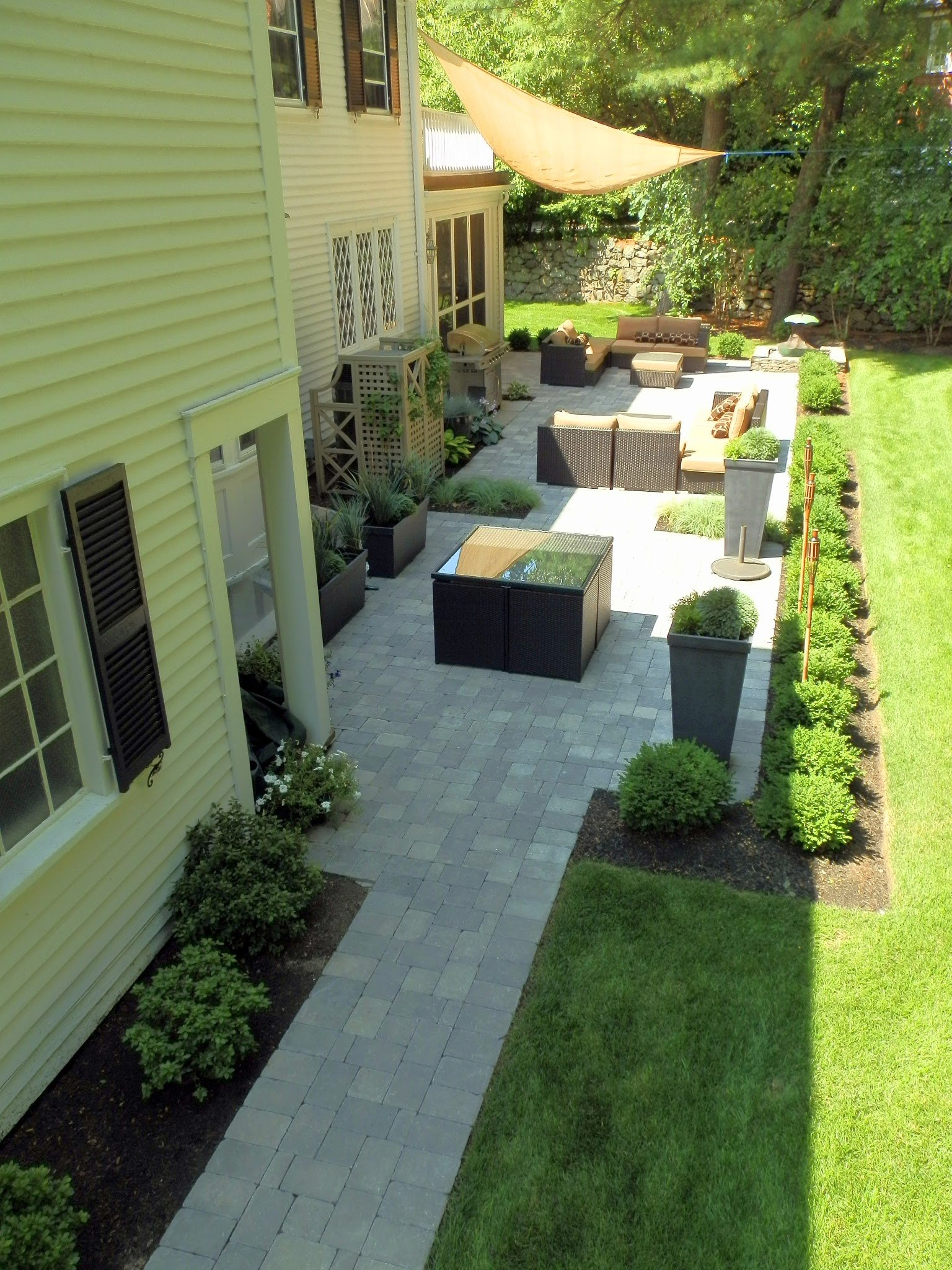
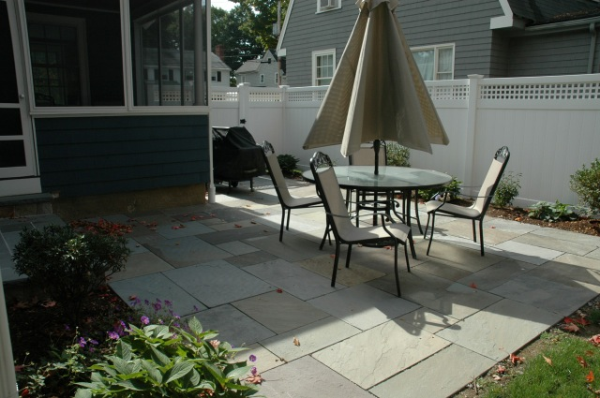
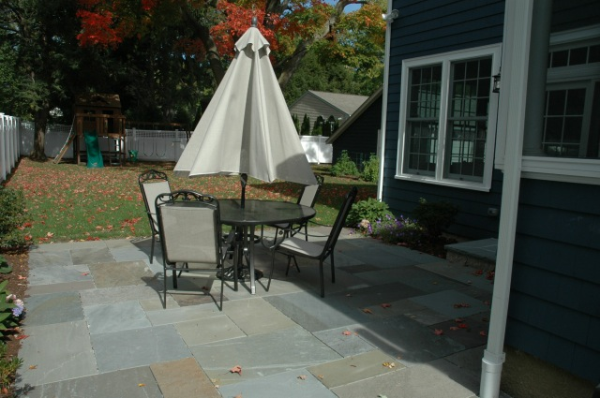
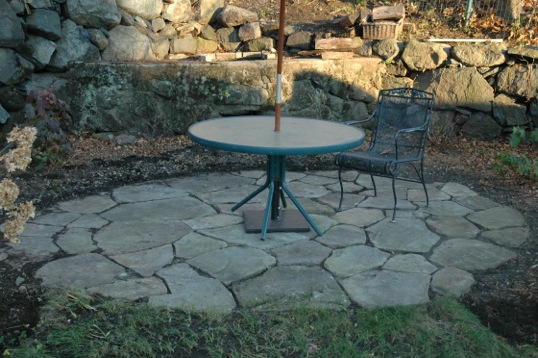
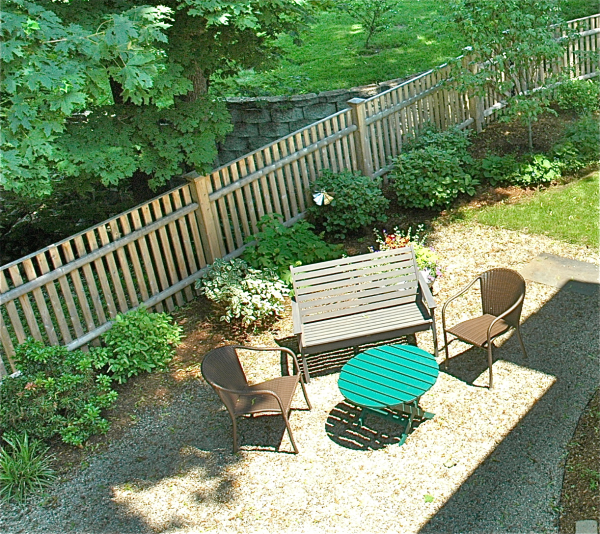
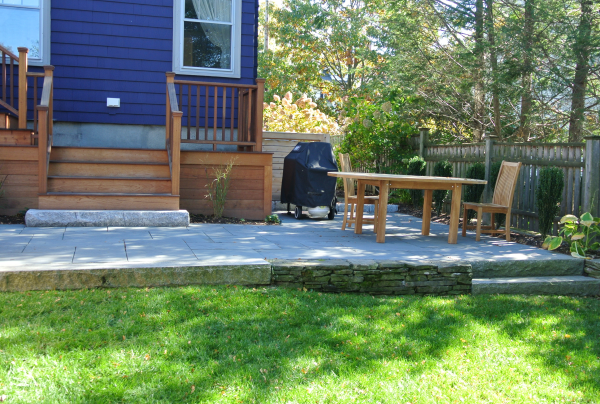
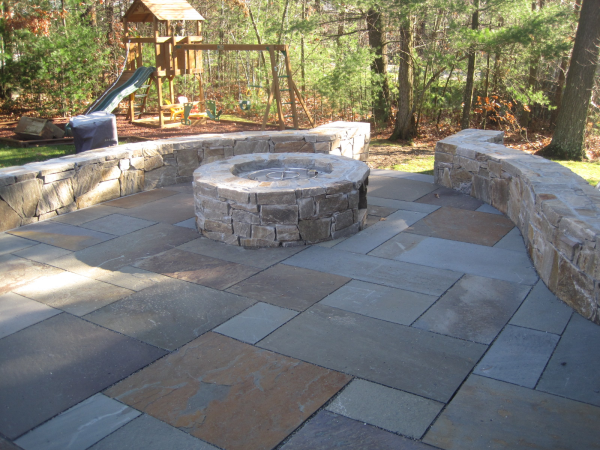
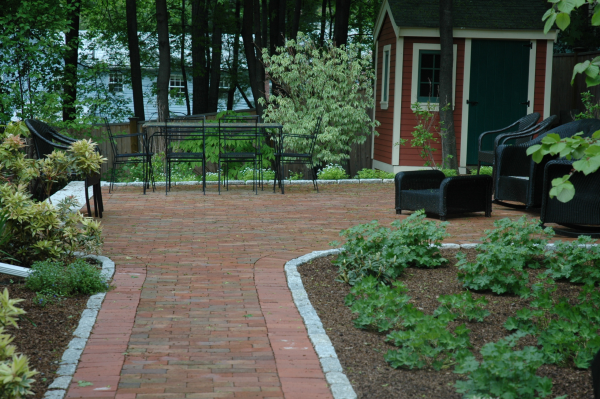
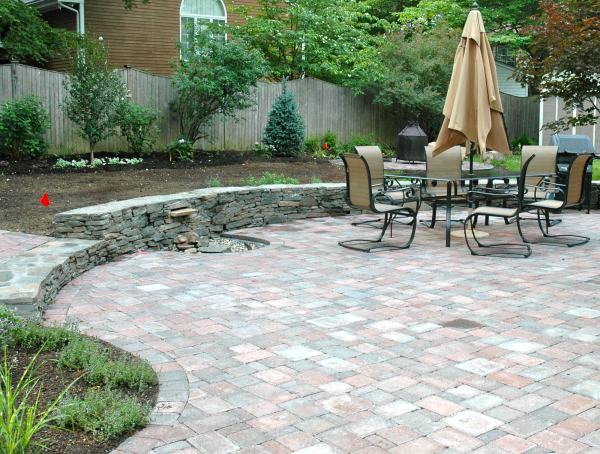
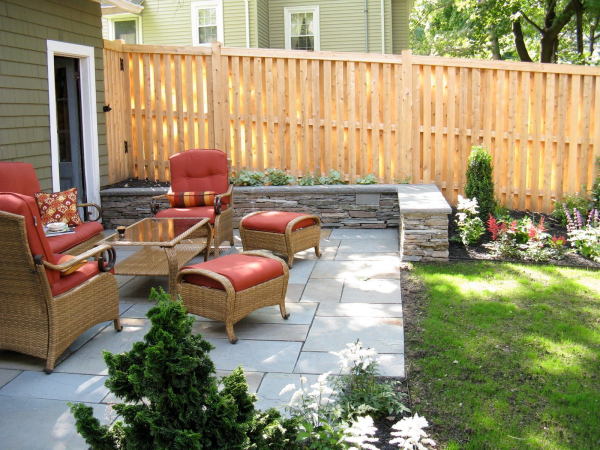
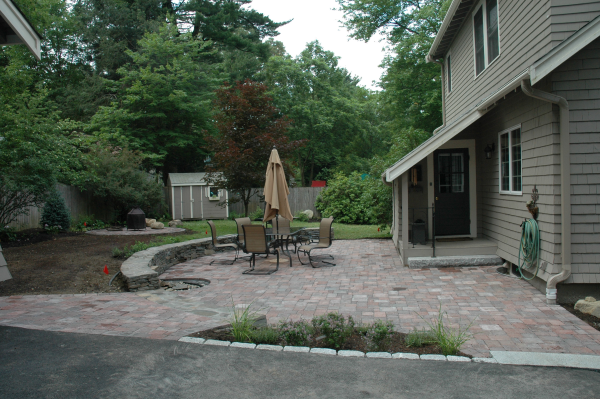
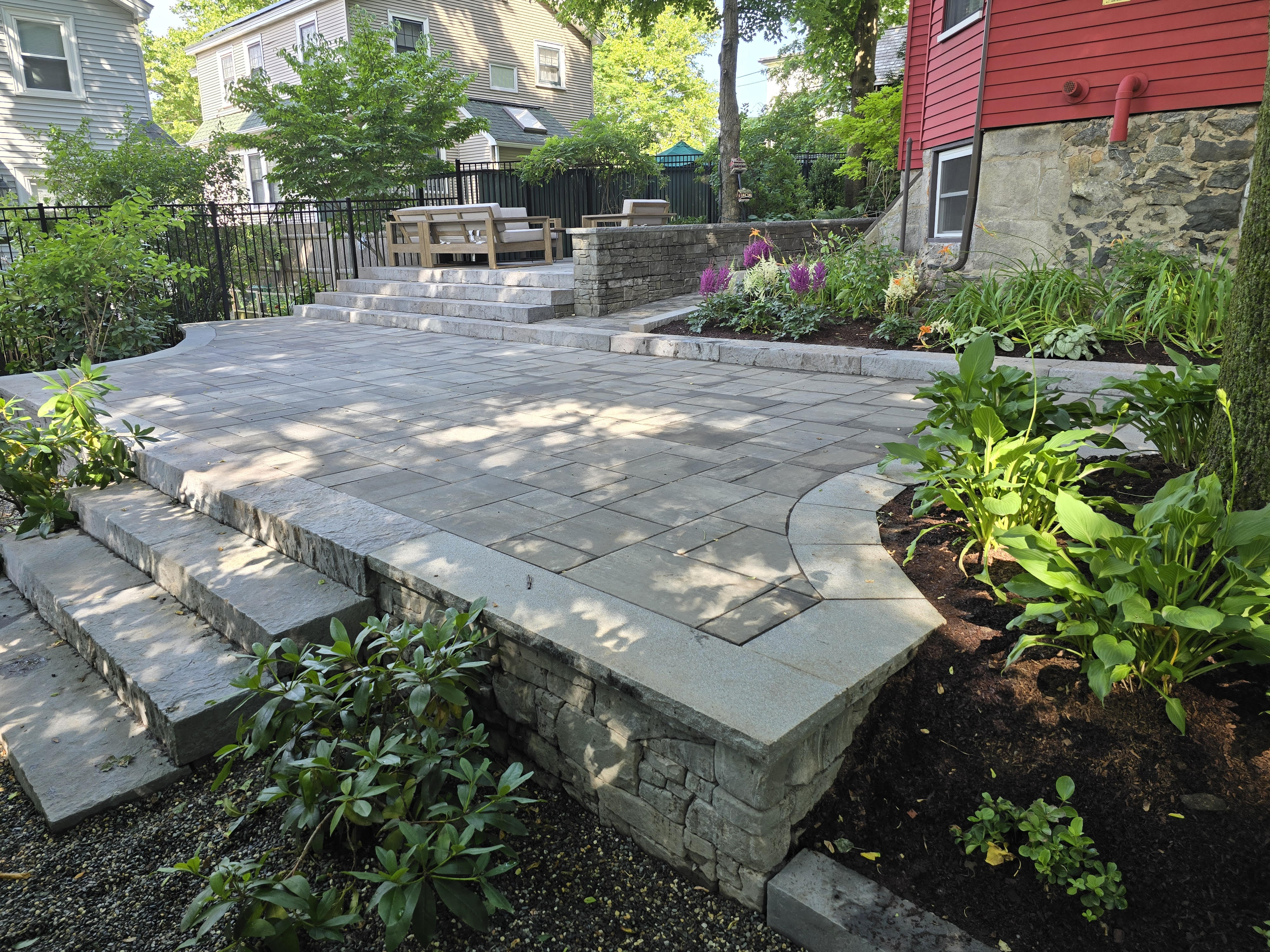
A quick suggestion for someone looking to create a backyard oasis for the entire family is to use the existing features in their yard. This backyard in Belmont, Massachusetts was designed and planned around the large maple tree that shaded parts of the patio and lawn. With the use of this tree, a new paver patio is able to create both a sunny and shady spots for the entire family to enjoy. The children can play both in the sun and shade, while the adults can sit and relax in their choice of sun or shade as well. Perennials and shrubs were selected according to sunlight available for the particular garden bed location.

What is a healing garden?


what is a healing garden

The term "healing garden" is used more commonly, but what does it actually mean and how does a garden become a healing environment?

What Are Invasive Plants in Massachusetts?


custom-landscape-design

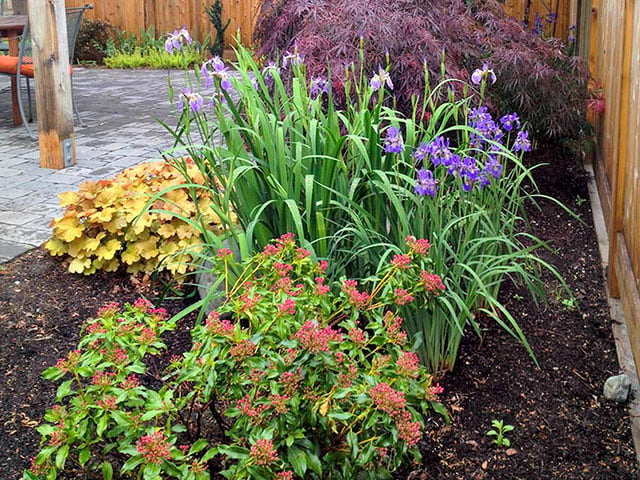
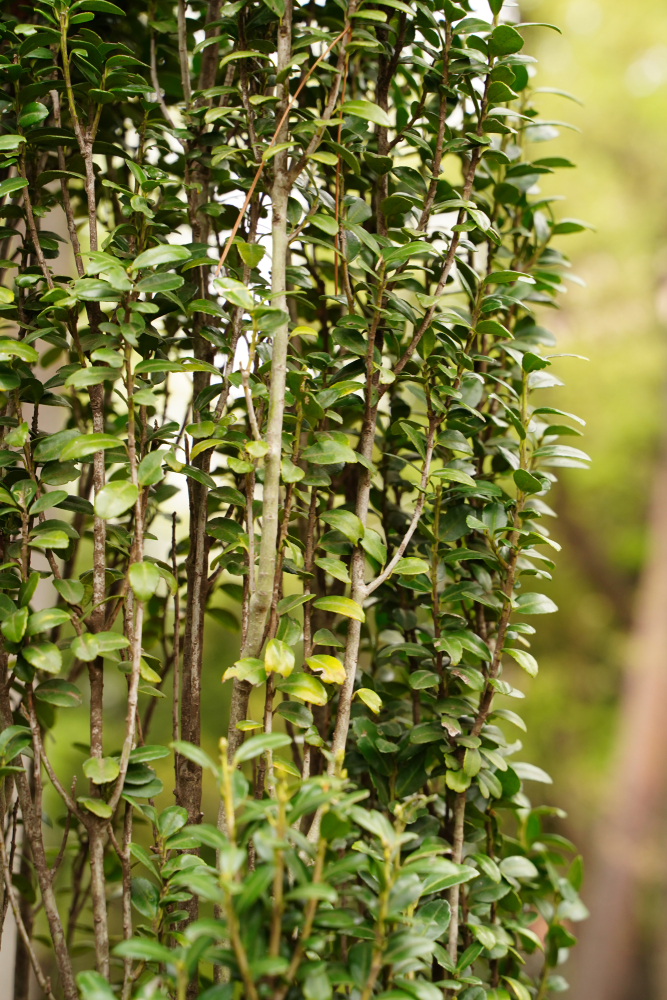
Humans have continuously increased the rate of plant movements and introduced new plant species to Massachusetts for many years. Most introduced plants do not threaten our native plant and animal communities, but some non-native plants spread rapidly in our natural areas, thrive in a variety of habitats, and are difficult to remove or control. With the exception of direct habitat destruction, these invasive specifics pose the greatest threat to the native biodiversity of Massachusetts.

What is the difference between a landscape designer and architect?


download-our-design-guideto-learn-about

A commonly asked question is about the difference between landscape designers and landscape architects. Although they both require extensive training, education and licensing in a similar field of study, there are explicit differences between them.
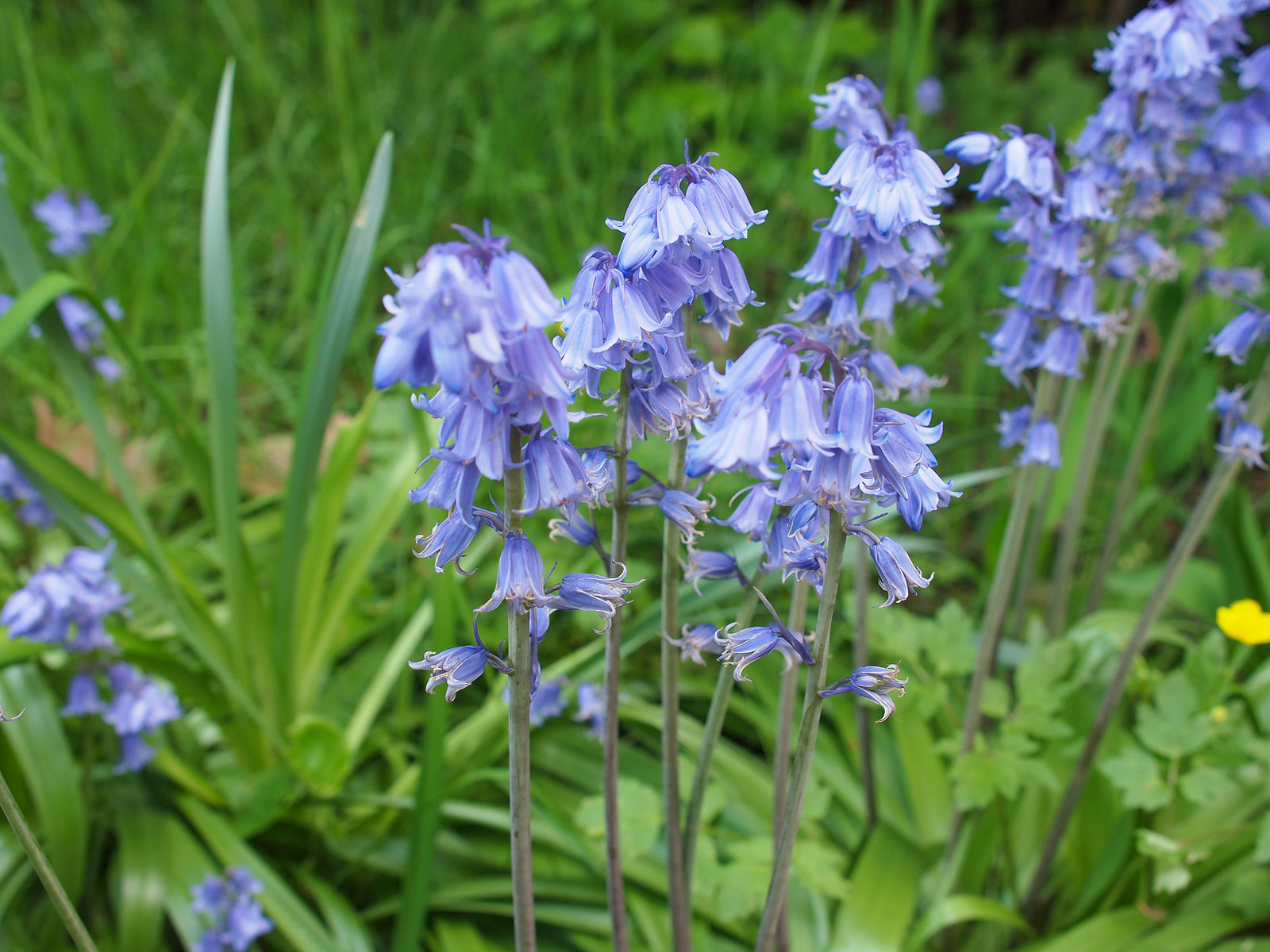
Simple Pruning Tips


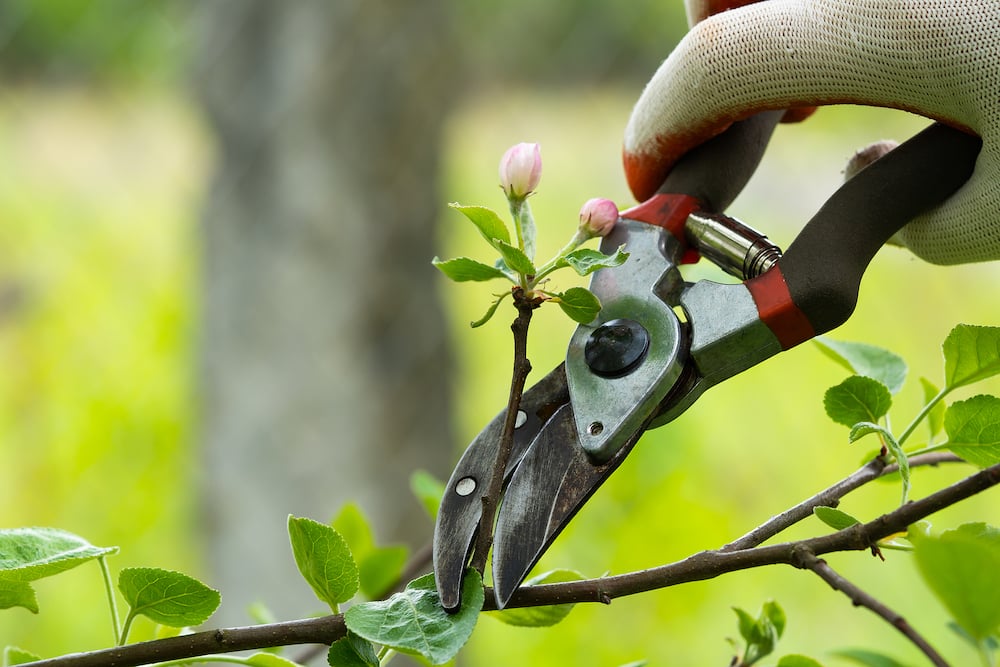
Find some time and get outside in your yard to spruce up your garden beds, trees and shrubs! Pruning is one of the best ways to clean up your yard and with our simple tips you will avoid the common mistakes and misunderstandings over pruning.
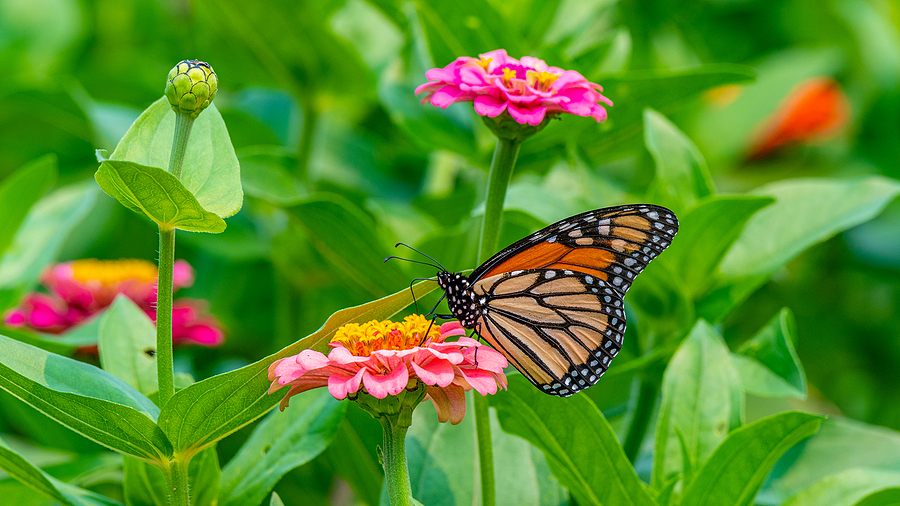
How to Create a Rain Garden
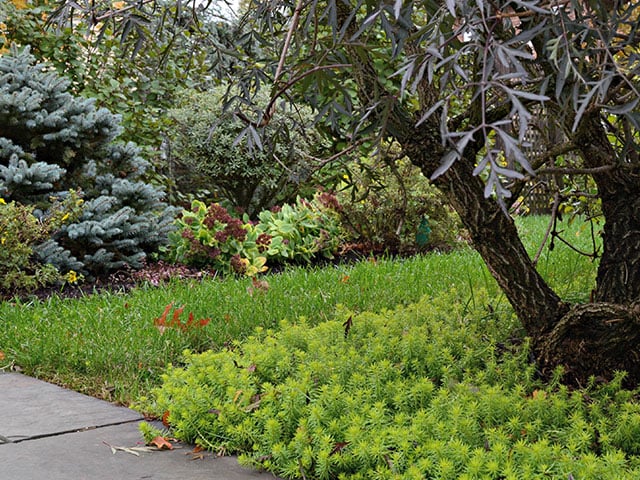


Rain gardens are a lovely way for homeowners to help ease water problems due to storms. It is a garden, planted in a low area of your yard to catch run off water from rain. A Rain Garden can be created in 7 easy steps.

Step 1: Location, location, location.
Avoid creating your garden too close to your home because of potential flooding in your house. Choose a low spot in your yard that is in the sun.

Step 2: Determine the size
Will rain from your sidewalk or driveway drain into your garden? Measure all areas that will drain into your rain garden. Use the following guidelines to ensure the ideal size for your garden:

Soil type     Multiply by
Sandy            20%
Loam             30%
Clay               45%

Step 3: Create a Design
Use paper and pencil to sketch a unique design or layout for your garden. If design isn't your forte, consider hiring a local landscape designer to help you.

Step 4: Plants, plants, and more plants
Choose flowers and other plants that are well suited for your climate and grow well in both wet and dry areas.

Step 5: Lay it Out
Use your design to shape and form the boundaries for your garden.

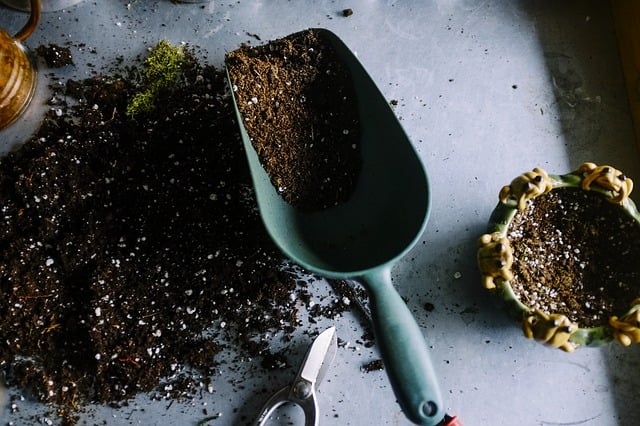
Step 6: Prepare the Soil
Remove grass and dig your garden 4-8 inches deep. Mix the soil with 2-3 inches of compost.

Step 7: Plant, Mulch, and Water
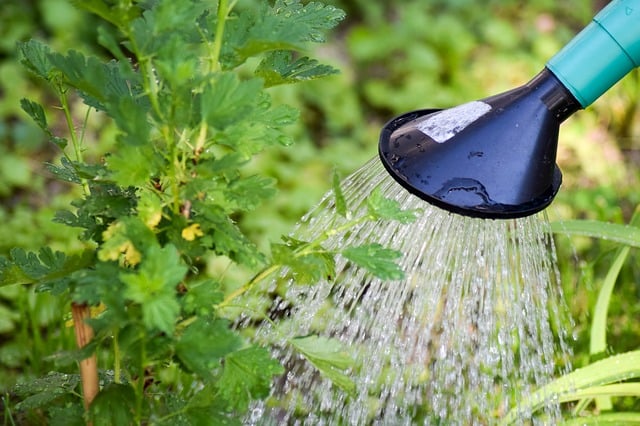
Plant your flowers and grasses. Apply mulch 2-3 inches deep, using wood chips that won't float or blow away.Water your garden every other day for 2 weeks, if it doesn't rain.

All Posts